A first look at Johor Bahru

Johor Bahru has a way of surprising travelers who arrive expecting just a border crossing. It sits at the southern edge of Peninsular Malaysia, and that position quietly shapes everything about a visit, from the climate you walk into, to the food on the table, to how the city connects with the wider region. The equatorial setting means the air feels warm and humid for much of the year, with rainfall patterns rather than classic seasons dictating how a day unfolds.
Because the city is the capital of Johor state and acts as a southern gateway, travelers tend to pass through on their way to or from Singapore, or they base themselves here specifically to explore a Malaysian city with its own distinct pulse. Either way, a slow, attentive visit tends to be more rewarding than a rushed stopover.
Weather and seasonal context
When thinking about what to pack, the essentials lean toward lightweight, breathable clothing that handles humidity well, along with a reliable option for sudden rain. Seasonal recommendations for the area generally emphasize flexibility over heavy layering, since conditions can shift from bright sun to a heavy downpour within the same afternoon. Rainfall totals in the region can be substantial, so visitors used to drier climates may want to pace their days around indoor breaks, museum stops, or long café lunches when the sky looks uncertain.
The practical takeaway is simple: treat the weather as something to work with rather than plan around. Short outdoor walks paired with longer indoor pauses tend to feel more comfortable than trying to power through the heat in one go.
Getting around
Public transport in this city is described as a lifeline for both locals and tourists, offering efficient and affordable options for getting around. As Malaysia's southernmost city, Johor Bahru presents a bustling urban landscape where public transportation plays an essential role in connecting its numerous districts and attractions.
The city's proximity to Singapore also shapes how the transport network feels. There is a clear sense that the travel infrastructure is designed not only for local movement but also for cross-border flow. That dual purpose tends to make the system more useful for tourists than in cities where public transit primarily serves commuters.
Looking at the broader direction of the network, the city's vision of seamless travel reflects an international trend of integrating transport systems with technology for better service delivery. In practice, this often means that ride-hailing apps, digital route planning, and cashless payment options are part of the everyday experience for getting around. Visitors who arrive already comfortable with mobile-based transport tools will likely find the transition smooth.
For travelers who prefer walking, the central areas of Johor Bahru are compact enough to explore on foot, though the humidity rewards shorter strolls with plenty of pauses for cold drinks and shade.
Attractions and planning
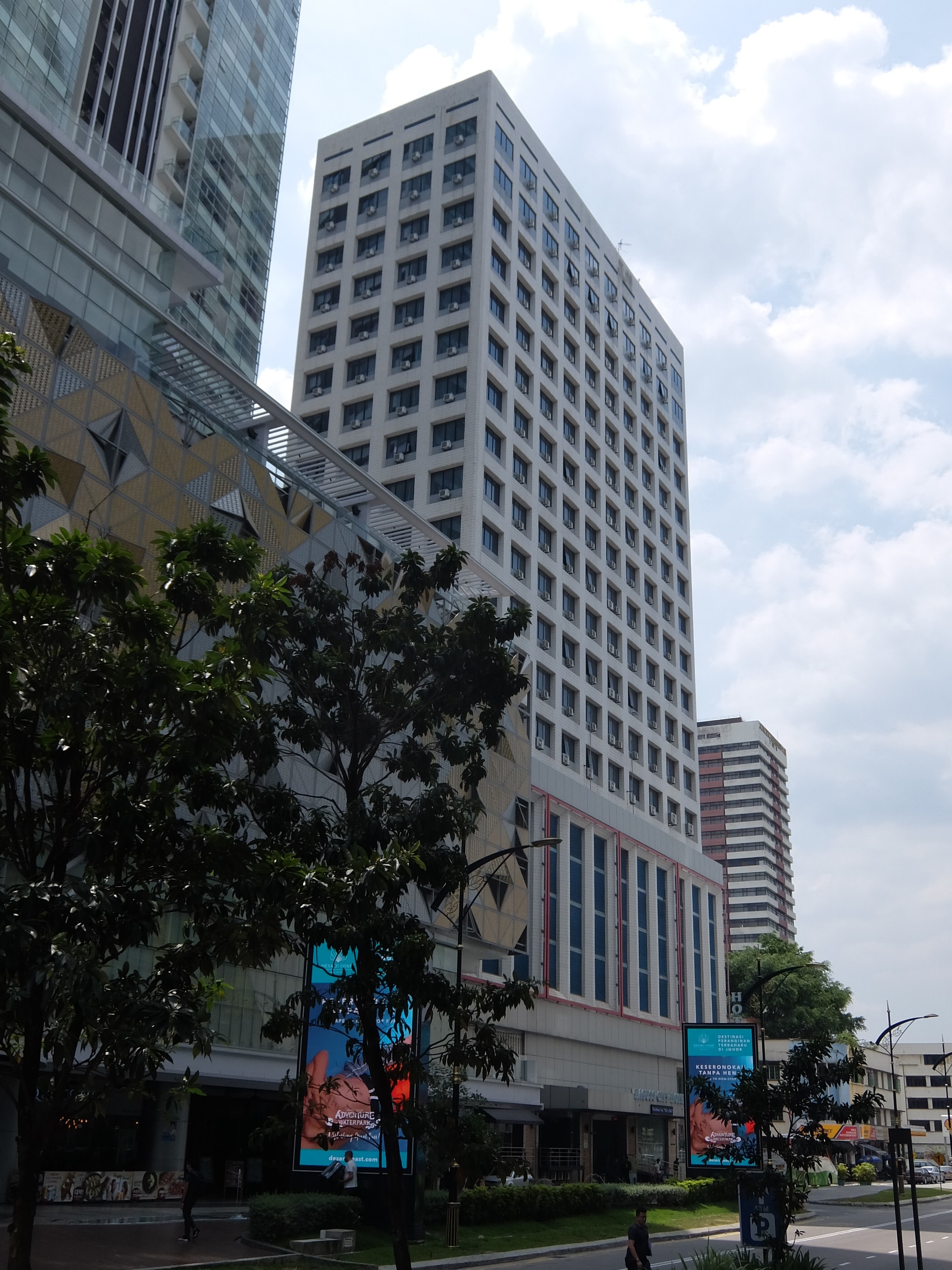
When planning time in Johor Bahru, one of the main areas to make sure you take in is the heritage district of the city, often associated with the old town and Chinatown. This part of the city carries the layered character that many travelers look for in a Malaysian city, with shophouse architecture, small religious buildings, and a street life that feels distinctly local rather than staged for visitors.
Beyond the historic core, one of the interesting places to visit near the city is Zenxin Organic Park, which offers a different texture to a trip. Where the heritage district rewards slow walking and observation, a place like this invites a more relaxed, outdoor-leaning pace. It is the kind of stop that helps break up a city-focused itinerary with greener surroundings.
A practical way to approach the city is to anchor one day around the heritage district and let the rhythm of alleys, markets, and small eateries set the tempo. Another day can stretch outward toward attractions that need a bit more travel time. This kind of loose structure tends to suit Johor Bahru better than a tightly timed checklist, since tropical weather and border traffic can both nudge plans slightly off schedule.
Food and local context
The food culture here doesn't cook like the rest of Malaysia, and that difference is one of the genuine pleasures of visiting. What separates this city from Kuala Lumpur's food culture, for example, is proximity: proximity to Singapore, proximity to the sea, and proximity to a set of culinary traditions that have developed their own character over time.
One helpful starting point for understanding local flavors is the wider catalog of signature Johor dishes that the regional tourism authority highlights, which include laksa Johor, mee bandung, and kacang pool. These names give visitors a sense of what to look for on menus and at hawker stalls, and they reflect a food identity that blends Malay, Chinese, and other influences in ways that feel particular to this part of Malaysia.
Dining here tends to be informal and accessible. Hawker centers, kopitiams, and small family-run restaurants are part of the everyday landscape, and meals are often an unhurried affair built around conversation as much as the food itself. Visitors who treat eating as a core part of the trip, rather than a break between sightseeing, usually come away with the strongest impression of the city.
It also helps to remember that Johor Bahru sits within a wider Malaysian food culture, so dishes and customs familiar from other parts of the country may appear here in slightly different forms. Approaching meals with that openness tends to make the experience richer, since the goal is less about checking off a list and more about noticing the local variations.
A note before you go
Travel conditions shift over time, and details such as transport routes, attraction opening status, and menu offerings can change without much notice. Before departure, it is worth checking current information through official tourism channels and local transport providers so that plans reflect the latest situation on the ground. Treat this guide as a starting framework rather than a fixed itinerary, and let the city reveal its own rhythm once you arrive.
Prices, opening hours, schedules, reservation rules, and local conditions can change; verify them through official channels before departure.
Share this article
TOOLS FOR THIS PLAN
Make the Johor Bahru plan measurable
Choose a tool only when it answers the next question in your trip. Your values stay in the browser, and each tool offers a route back to this planning context.