A Slow Look at Juigalpa
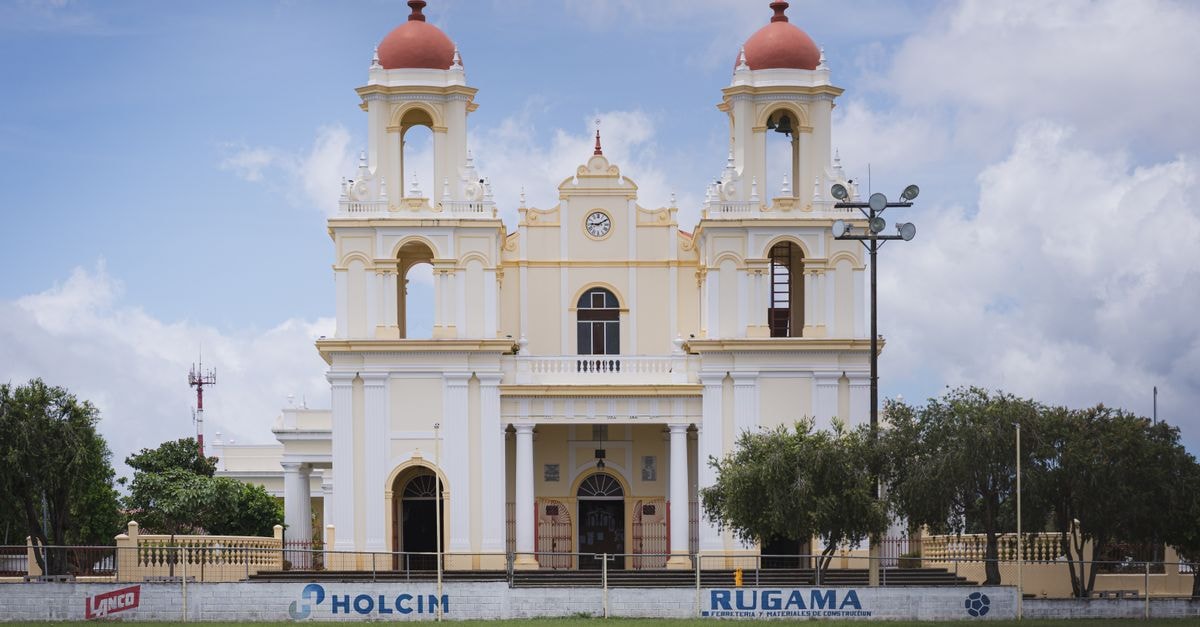
Tucked into the rolling country of Chontales, Juigalpa has the unhurried cadence of a working Nicaraguan provincial capital, the kind of place where cattle country, small-town plazas, and everyday street markets shape the rhythm of the day. Travelers who enjoy stepping into a destination rather than racing through it tend to appreciate what the city offers: a compact set of public spaces and a robust, meat-leaning food scene rooted in its ranching heritage. This guide stays close to the facts that are actually supported, focusing on Juigalpa's parks, its market-driven eating culture, and the very practical matter of how to pay once you arrive.
Parks and Public Spaces to Wander
Juigalpa's civic heart is greener than you might expect. The city is home to three well-maintained parks worth slowing down for: Parque Central, Parque Palo Solo, and Parque Rubén Darío. Each invites the kind of low-effort wandering that fits a provincial capital: bench-sitting under shade trees, watching local life pass by, and letting the day unfold at its own pace.
If you enjoy cities that revolve around a central square, you'll likely appreciate having Parque Central as an anchor from which to explore the surrounding streets on foot. Parque Palo Solo and Parque Rubén Darío offer a change of scenery, which can be welcome for travelers who like public green space without committing to a long hike or formal attraction. Because the parks sit within the city itself, they pair naturally with a slow morning or a late afternoon circuit.
Those who prefer to keep urban exploration light, with shorter walks between shaded spots, may find this trio of parks well-suited to a relaxed base in Chontales.
A Food Scene Built Around Cattle Country
Juigalpa's food culture has a clear identity: robust and meat-centric, shaped by the area's cattle-ranching heritage. Eating well here often means leaning into that heritage, treating the meals as a way to understand the local economy as much as the local palate.
Two markets anchor this everyday food scene and are worth knowing about:
- The **municipal market** sits in the center of town, east of the central park, placing it within easy walking distance of Parque Central and the surrounding streets. This location makes it a natural stop for a quick, no-fuss meal or a browse through local stalls. - **Mercado Nuevo** lies along the Rama Carretera at the southern end of town, near the hospital. If your travels put you on that side of the city, this market offers a second option for sampling Juigalpa's everyday food culture.
Together, these two markets give travelers a choice depending on where they happen to be staying or how far they're willing to walk. Travelers who enjoy discovering a city through its market stalls rather than sit-down restaurants may find Juigalpa particularly rewarding; if you prefer a quieter breakfast before you head out, consider stopping at the municipal market east of the park early in the day.
The food scene across Nicaragua as a whole reflects the country's diverse geography, with distinct regional variations shaped by local ingredients and traditions. Travelers moving through Nicaragua can sample these regional specialties and experience the country's culinary diversity first-hand, including during a stay in Juigalpa.
If you enjoy letting food tell the story of a region, the meat-centric kitchen you'll encounter here pairs naturally with this broader tradition of place-based Nicaraguan cooking.
How to Pay in Juigalpa
One of the most useful things to plan around in Juigalpa is also one of the simplest: payment methods. While some hotels and nicer restaurants may accept credit cards (Visa or Mastercard), cash is the dominant payment method in Juigalpa. Budgeting for meals, market purchases, and everyday spending in cash will likely make the trip smoother, with a card reserved for hotels or nicer restaurants where you have already confirmed acceptance for the specific transaction ahead.
Carry small bills for the markets — both the municipal market east of the central park and Mercado Nuevo at the southern end of town — and for smaller food stalls around Parque Central and the surrounding streets. Because cash is the dominant payment method across most everyday settings, planning around it tends to keep transactions straightforward at the markets and for smaller purchases.
Travelers who prefer to keep payments simple and predictable may find a cash-first mindset helpful here.
Choosing What Fits Your Trip
Juigalpa's parks and markets offer a compact window into everyday Nicaraguan provincial life, whether the city is your main base or a stop on a broader itinerary through Chontales.
If you enjoy cities anchored by a central park, with food culture shaped by cattle country and market-driven eating, Juigalpa tends to reward a slow pace and a taste for grilled meats and local stalls. If you rely heavily on card payments for every transaction, prepare for a cash-centric experience, and plan your currency accordingly before you arrive.
A Note Before You Go
Travel conditions, including card acceptance, market operation, and on-the-ground services, can change over time. Official tourism channels and local contacts are the most reliable sources for current details before departure, and rates or fees quoted in any guide should be checked against the live exchange and local conditions at the time of travel.
Prices, opening hours, schedules, reservation rules, and local conditions can change; verify them through official channels before departure.
Share this article
TOOLS FOR THIS PLAN
Make the Juigalpa plan measurable
Choose a tool only when it answers the next question in your trip. Your values stay in the browser, and each tool offers a route back to this planning context.