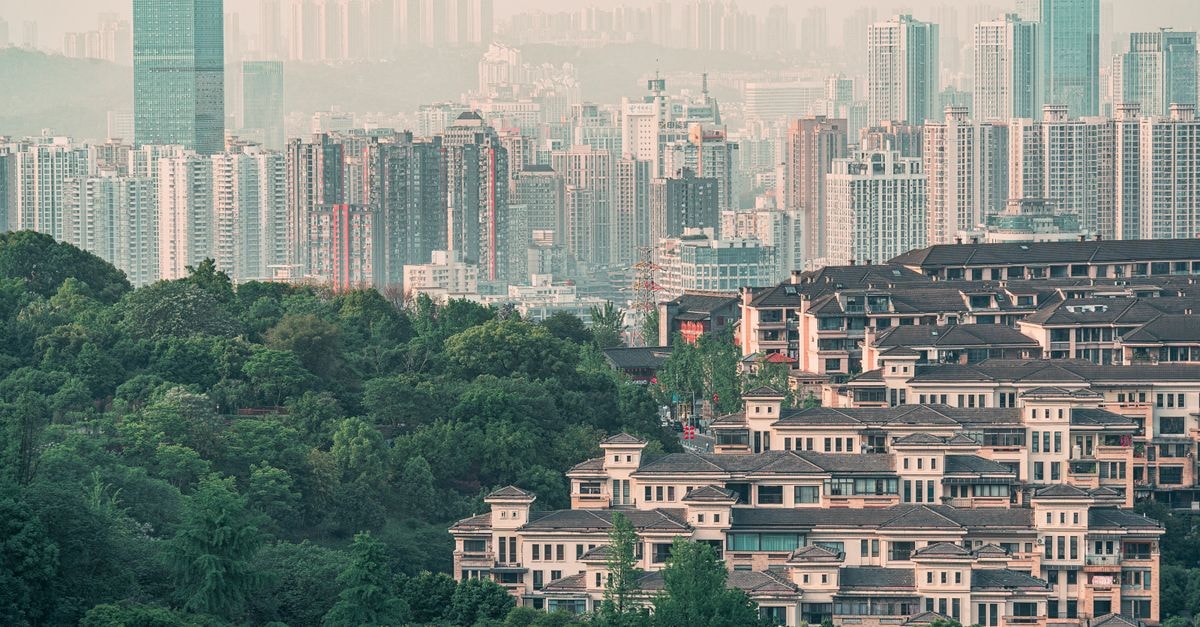
There is something quietly magnetic about Kaili. Tucked into the rolling green folds of southeastern Guizhou, it works best in the mind of a traveler not as a destination in itself, but as a threshold — a small, lived-in city that opens the door to the broader Miao cultural landscape of the province. That posture, more than any checklist of sights, shapes the way a thoughtful visit unfolds.

Getting around
Kaili sits within reach of broader Chinese and East Asian transport networks, though its own airport options are modest. Kaili Huangping Airport currently serves a limited set of direct routes, including an irregular Hangzhou–Kaili–Chengdu service and a Xingyi–Kaili connection that has been listed as operating on Wednesdays, Thursdays, and Saturdays by Colorful Guizhou Airlines. Travelers flying in from farther afield will most likely route through Guiyang, which functions as the primary gateway into Kaili thanks to its fuller set of flight routes and railway connections to major Chinese cities and East Asian destinations. In practice, this often means a short onward train or coach leg from Guiyang into Kaili, the kind of connection that turns the city into a natural stop on a longer Guizhou loop rather than a fly-in-and-stay point.
Attractions and planning
Kaili itself reads, at first glance, as a working city rather than a sightseeing capital — and it is honest to plan around that reality. Within its boundaries, a handful of cultural anchors help frame a stay. The Kaili Ethnic Museum offers a focused introduction to the local ethnic minorities whose presence defines much of the region, and it works well as an orientation stop on the first day, setting context for anything a visitor goes on to see outside the city. Beyond the urban core, the surrounding southeastern Guizhou area is dotted with places that echo Miao heritage and mountain scenery, from village settlements to nature reserves and old riverside towns.
A useful frame, then, is to treat Kaili as a base rather than a destination in its own right. The city gives you a comfortable place to sleep, eat, and gather information, while day movements radiate outward into the highlands. This is also why the airport situation matters less than it might elsewhere — the rhythm of a Kaili trip is usually set by road or rail connections outward, not by flights in and out of town.
Food and local context
Kaili is at the heart of one of Guizhou's most recognizable culinary signatures: sour soup fish, or, more fully, the boiled fish in sour soup credited to the Miao people of this region. It is widely described as the most authentic expression of the dish in Guizhou province, and the same sour soup tradition is recognized across broader Chinese food culture. The flavor profile leans bright and tangy, built around a fermented sour broth that softens and enriches white freshwater fish, often finished with herbs, chilies, and aromatics typical of southwestern Chinese cooking.
Within China more broadly, sour soup dishes like this one are well known and frequently appear on menus beyond Guizhou, and the Kaili version is treated as the classic reference point. Travelers used to the fiery, oily profile of Sichuan cooking will find a different temperament here — still spicy, still warming, but with that unmistakable sour backbone. For visitors, the practical takeaway is simple: sour soup fish is not just a regional curiosity but a defining taste of Kaili, and seeking it out is one of the most rewarding things to do in the city, whether in a modest local restaurant or as part of a broader regional food trail.
A note on pace and expectations
Because Kaili works best as a threshold rather than a single-stop itinerary, the most rewarding visits tend to be unhurried. A few days in the city allows time for a museum visit, a long meal of sour soup fish, and the slower business of sorting onward travel into the surrounding countryside. It is a place where reading a map, chatting with a guesthouse host, and adjusting plans over tea often produce a better trip than a rigid schedule.
Verification note
Factual travel conditions — including flight routes, railway schedules, attraction openings, and menu availability — can change. Before departure, it is worth confirming current transport options, museum hours, and local services through official channels or your accommodation, so that the picture above reflects the situation on the ground when you travel.
Share this article
TOOLS FOR THIS PLAN
Make the Kaili plan measurable
Choose a tool only when it answers the next question in your trip. Your values stay in the browser, and each tool offers a route back to this planning context.