Welcome to Kakamega

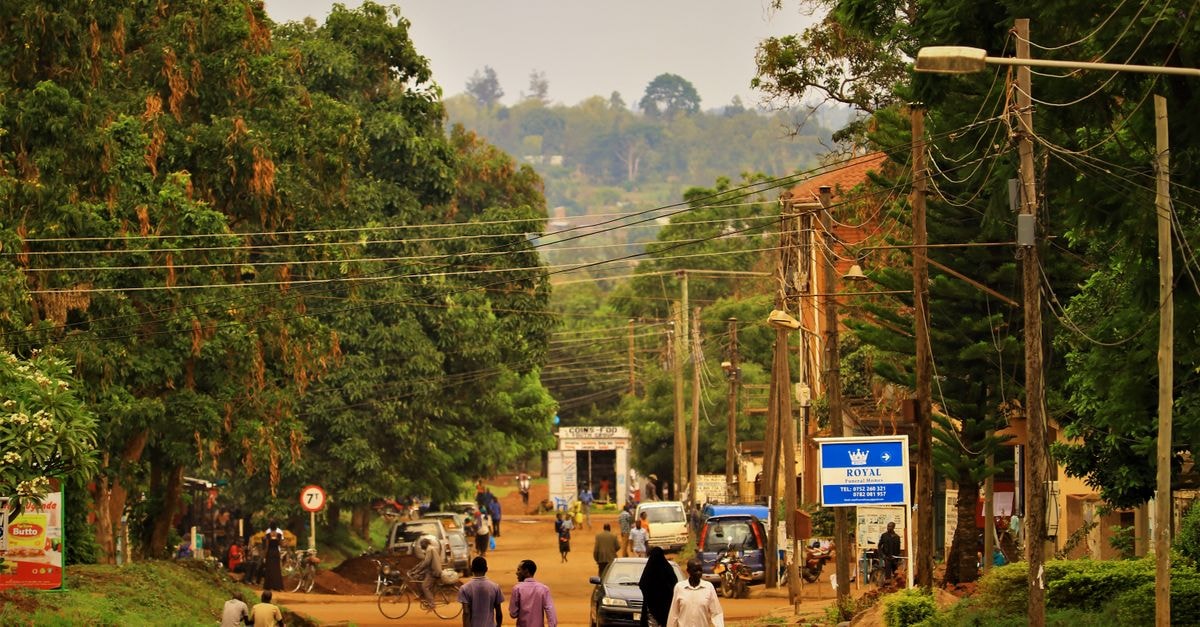
Kakamega is a small city of around 100,000 inhabitants in the Nyanza province of Western Kenya. It does not announce itself with grand landmarks; travelers tend to discover it as a calm base from which to explore, or as a stop where everyday Kenyan life plays out at an unhurried pace. The streets fill with small shops and the everyday rhythms of a working town, and that unhurried atmosphere is often what makes a visit here feel memorable.
If you are drawn to places where the everyday texture of a region is part of the attraction, Kakamega is the kind of city that rewards that kind of curiosity. It is also commonly used as a starting point for trips into the nearby Kakamega Rainforest, so travelers thinking about adding nature to their plans may want to consider it as a base. Travelers who want classic monument-style sightseeing, by contrast, may find the city quieter than they expect.
Weather and seasonal context
Kakamega sits in western Kenya, a part of the country often described in travel writing as a rainforest region, and that name alone shapes how a visit tends to feel. The area is green, the air can feel soft, and the climate is generally wetter than many visitors associate with Kenya.
How this translates into a day here is simple: rain is a real part of the local weather pattern. Travelers who prefer to keep their plans flexible may want to build in indoor pauses, treat umbrellas as a regular item rather than an emergency one, and think about pacing outdoor time around the softer hours of the day. Anyone very sensitive to humidity may also want to think about how that feels day to day, because the rainforest framing of the region suggests a consistently damp atmosphere.
There is no single "best" time to recommend here, since seasonal weather data for this exact city was not part of the approved evidence. What is reasonable to say is that packing for moisture and planning some flexible time is a sensible way to approach a trip.
Getting around
Kakamega is small enough that much of the day-to-day movement is straightforward. The city has no classic tourist attractions in the sense of marquee landmarks, and what visitors tend to notice instead is the bustle of the streets and small shops. That everyday geography is part of how the city is best approached: walking through town is often where the texture of the place shows up.
Because the city is most often framed as a launching point for the surrounding region rather than as a destination of its own, thinking about transport in two layers tends to work well: simple movement around town, and a separate plan for any rainforest or rural excursion outside it.
Food and local context
Kenya carries a wide culinary range, and visitors in this part of the country will encounter that breadth. Traditional dishes, dining customs, and culinary experiences across the country tend to blend the influence of wood smoke, agriculture, and the long Kenyan coastline. The culinary character of the country also shifts sharply by region, so what you taste in western Kenya can feel quite different from menus further east or along the Indian Ocean. Thinking of food here as part of that broader Kenyan story, rather than expecting a single national flavor, is often the most rewarding approach.
For travelers who enjoy exploring local markets and small eateries, the same small-shop, street-level texture that defines the rest of the city tends to apply to food as well. Visitors who prefer more familiar international menus will usually find a few familiar options in the town center. Either way, treating meals as part of the discovery, rather than a side note, tends to suit the pace of the place.
Because specific Kakamega restaurants, menus, and prices were not part of the approved evidence, it is worth checking locally once you arrive, both for what is currently serving and for what feels right for the day.
Picking the approach that fits your trip
A few practical tradeoffs tend to shape how a visit to Kakamega works best. Travelers who like slow, exploratory days and a strong sense of local life will probably find the town itself rewarding; travelers who want a long list of built attractions may want to pair the town with the nearby Kakamega Rainforest, since the city is most often framed as a starting point for that excursion rather than as a standalone sightseeing stop. On weather, the rainforest setting means moisture is part of the experience, so anyone very averse to wet weather or who prefers dry heat may want to think about how much of the trip is spent outdoors and plan accordingly. On food, the country's regional variety is wide, so travelers who like to sample broadly will have room to explore, while those who prefer a familiar baseline can usually find it within walking distance of the center. None of these tradeoffs are absolute, but thinking about them before the trip tends to make the days on the ground feel easier.
A note before you go
**Is there anything specific you would like to know before your trip, such as how to plan transport into the rainforest or how close a particular stay sits to the central area? Send your question, and we will help you think it through.**
Prices, opening hours, schedules, reservation rules, and local conditions can change; verify them through official channels before departure.
Share this article
TOOLS FOR THIS PLAN
Make the Kakamega plan measurable
Choose a tool only when it answers the next question in your trip. Your values stay in the browser, and each tool offers a route back to this planning context.