Weather and seasonal context

Because the climate rewards flexibility, it is worth planning the day in a way that leaves room for weather rather than fighting it. Outdoor attractions can feel best in the cooler stretches of morning, while an afternoon shower is often a natural excuse to step into a museum, a covered market, or a calm café. Pace matters more than packing in extra stops; a shorter day with a real pause tends to leave a better impression than a rushed schedule that the weather refuses to cooperate with.
Getting around
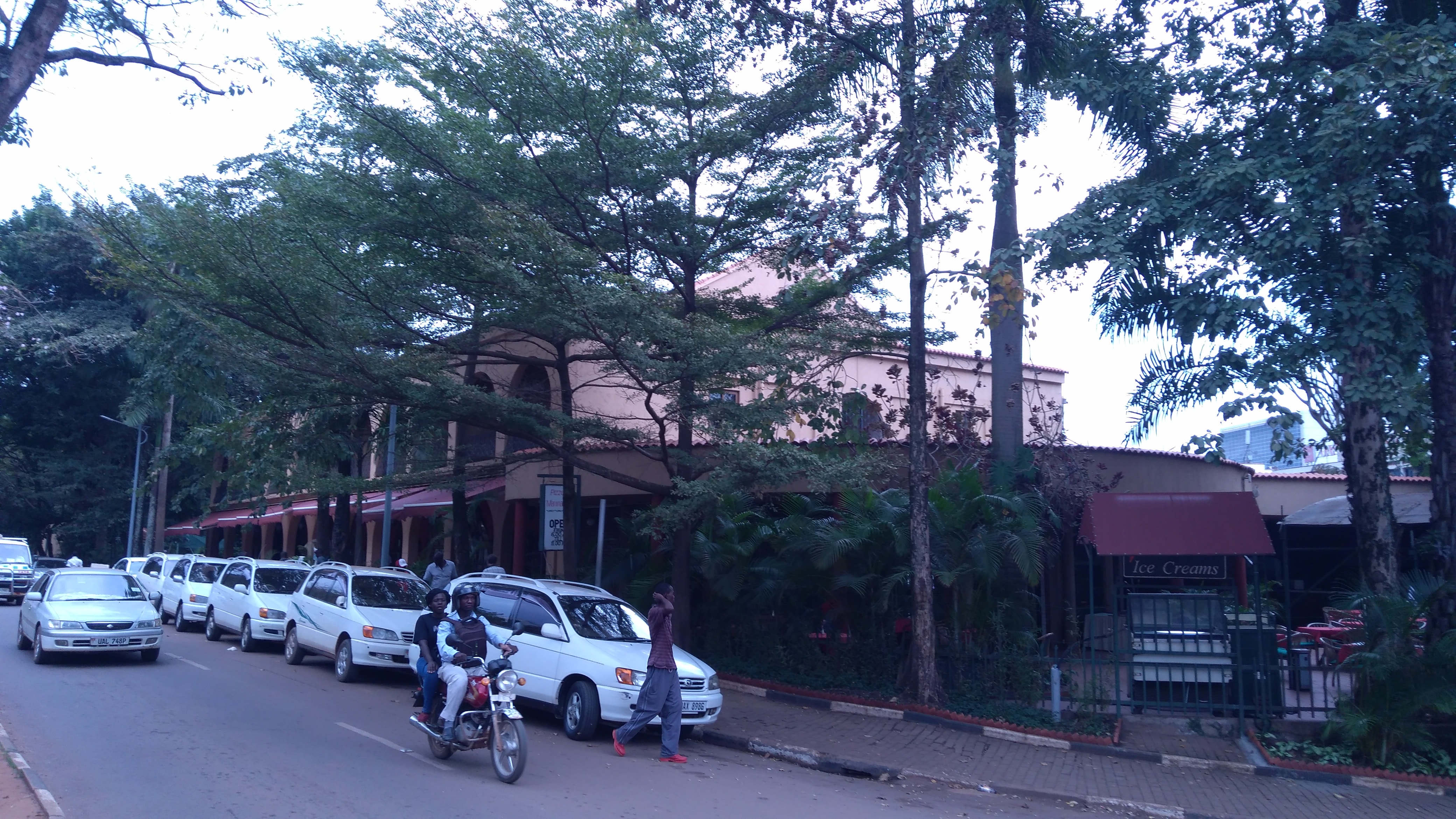
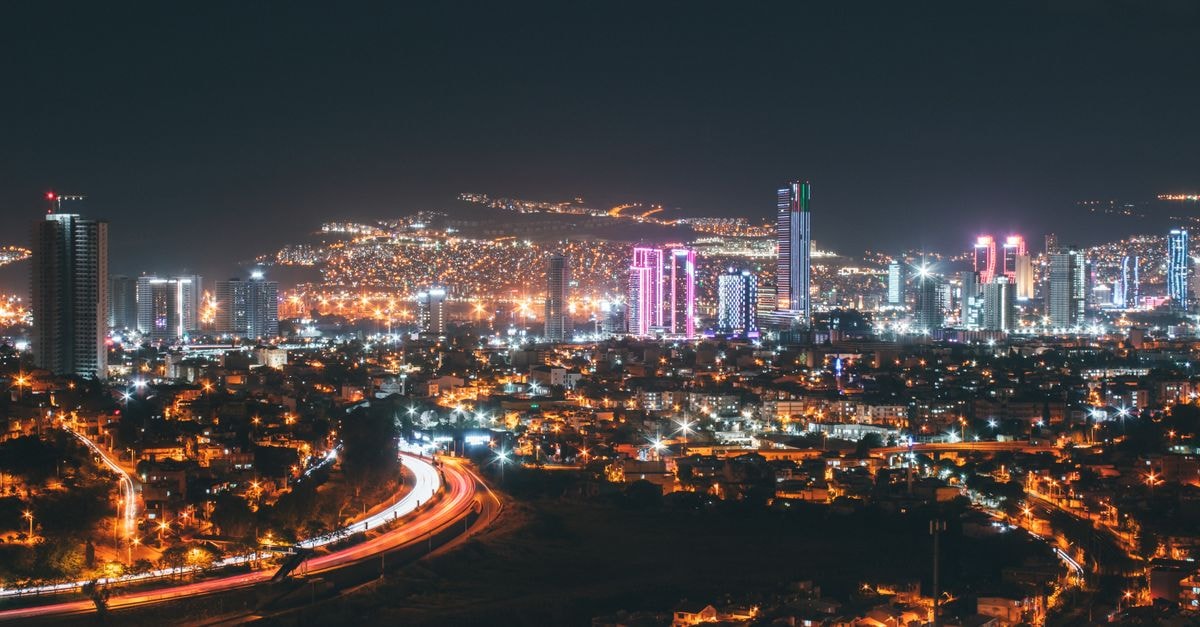
Practical movement in Kampala usually combines walking for the shortest distances with some form of hired or shared road transport for longer ones. As in many East African capitals, matatus and boda-bodas fill the gap between taxis and private cars, and visitors typically rely on a mix of these depending on the time of day and the district. Travellers who plan their evenings around a few clustered neighbourhoods tend to move less and enjoy more, especially when nightlife is part of the reason for visiting.
Attractions and planning
When it comes to attractions inside the city, the practical advice is to keep plans simple and leave room for the unexpected. A short list of two or three places per day is usually more satisfying than a packed itinerary, partly because distances between districts are short but traffic can stretch them out. Walking between nearby sights often reveals as much of Kampala's character as the attractions themselves, and it gives the day a tempo that feels local rather than checklist-driven.
Uganda's tourism policy is overseen nationally by the Ministry of Tourism, Wildlife and Antiquities, with Doreen Katusiime serving as Permanent Secretary and Tom R. Butime as Minister of State for Tourism, Wildlife and Antiquities, and Kampala serves as the administrative home of this ministry.
How to plan a visit
A useful way to think about Kampala is in layers. Start with one anchor experience that matters most to you, whether that is a walk through a cultural landmark, an evening in a known nightlife district, or a slower morning exploring a market or museum. Then build the rest of the day around that anchor with a small number of nearby stops, leaving the late afternoon free for rest, a long meal, or simply watching the city from a high vantage point.
Budget-conscious travellers tend to do well in Kampala because the cost of an evening out, especially a few local beers and a casual meal, is often far lower than in comparable East African capitals. That affordability makes the city a good fit for independent travellers who prefer to spend on experiences rather than logistics, and it rewards a style of travel that is social, unhurried, and curious about everyday life. The simplest budgeting approach is to set one daily target for food, local transport, and small purchases, and then treat any splurges as bonuses rather than expectations.
A few practical habits go a long way. Confirming pickup details the night before a booked activity, keeping small local currency on hand for short rides and market purchases, and asking locally about the safest walking route between two points are small steps that smooth out the day. None of these require special knowledge; they are the kind of habits that any traveller builds naturally once they have spent even a single afternoon in the city.
Finally, treat Kampala as a city to be experienced rather than conquered. The hills, the bar scene, the national tourism institutions, and the everyday street life all reward visitors who stay curious and stay flexible. A good trip here is rarely the one with the most stops on a map; it is the one where the rhythm of the city sets the pace and the traveller simply follows along.
A note on accuracy: travel conditions in Kampala, including transport options, attraction access, and tourism services, can change at short notice. Treat the guidance above as a starting framework and confirm current details through official channels and your booked operator before departure. Exchange rates, prices, and hours in particular should be checked locally, as they may shift between planning and arrival.
Share this article
TOOLS FOR THIS PLAN
Make the Kampala plan measurable
Choose a tool only when it answers the next question in your trip. Your values stay in the browser, and each tool offers a route back to this planning context.