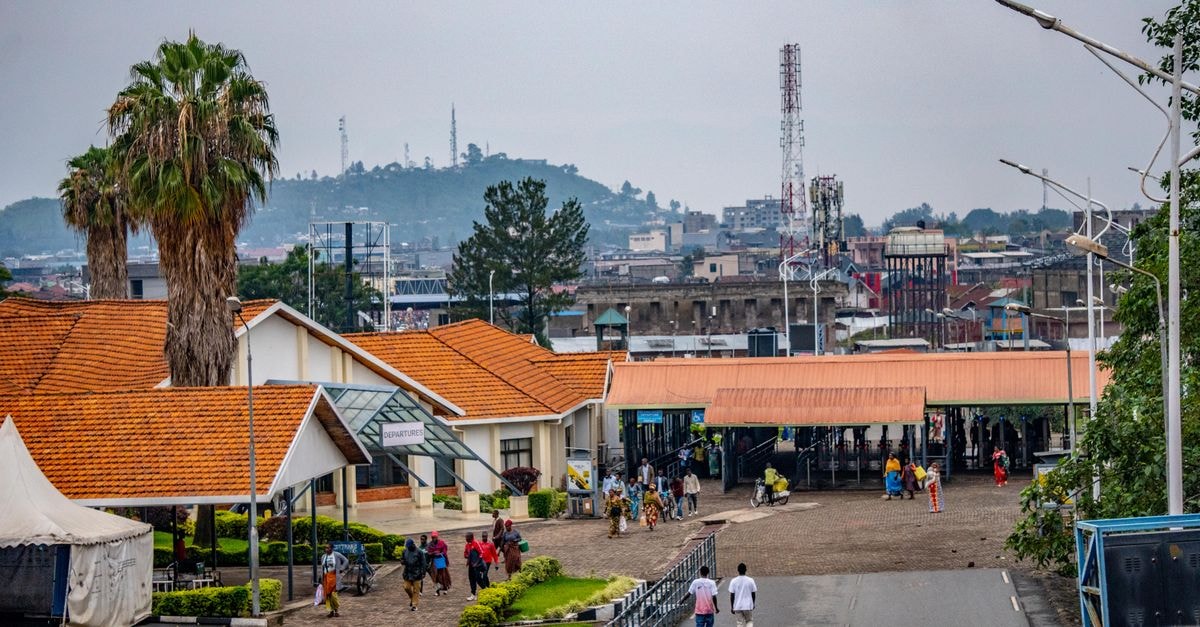
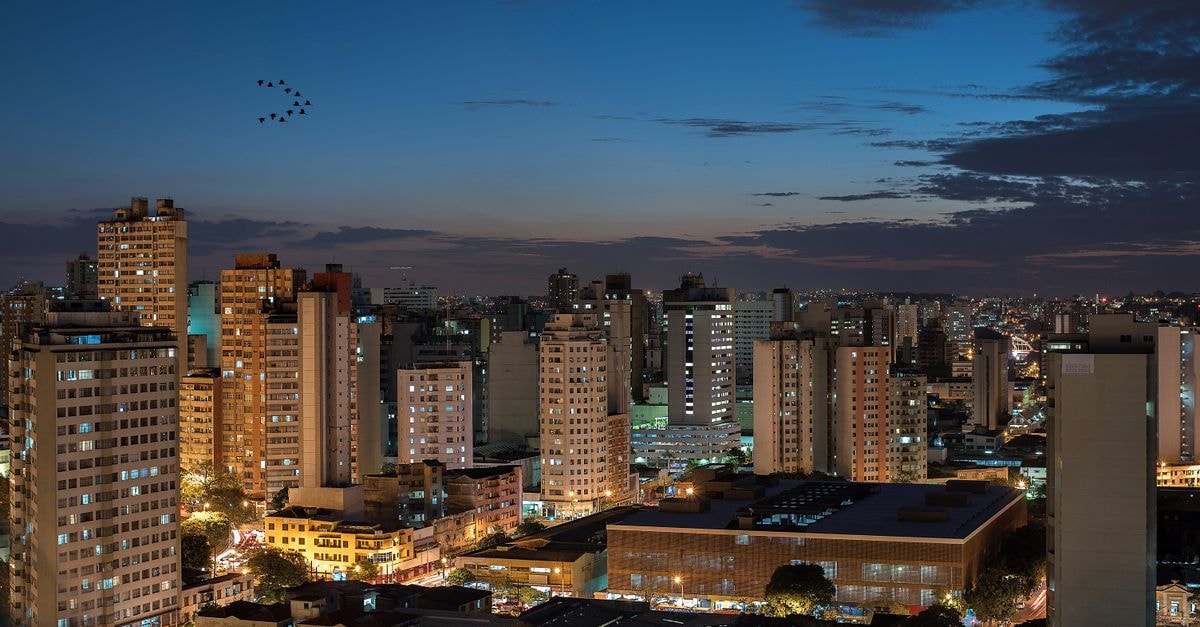
A first impression of Kananga

This guide keeps the focus on what a thoughtful independent traveler really needs before deciding to visit Kananga: how the city moves, what the climate feels like across the year, and the wider food culture that tends to show up on plates during a stay.
Weather and seasonal context
Kananga runs on its own weather calendar, and the experience of being here shifts with the seasons in ways that shape pacing more than wardrobe. Local conditions are best read in real time, and travelers should think of climate as a planning rhythm rather than a fixed forecast.
One administrative detail worth knowing before any arrival in the Democratic Republic of the Congo is that proof of vaccination is required at the border, and travelers need to present an original International Certificate of Vaccination, commonly called a Yellow Card. This is a nationwide entry requirement, not a city-specific one, but it directly affects how a trip to Kananga begins, so it belongs firmly in the pre-departure checklist.
For what the weather actually feels like on the ground, current conditions, a rolling forecast, and a twelve-month sense of how each month tends to unfold are worth checking through a live conditions source before locking in dates. Because Kananga sits in a tropical belt, the year generally moves between wetter stretches and drier windows, with the air often feeling heavy and warm between rains. The practical habit is to plan heavier movement for cooler parts of the day, expect sudden downpours during the wetter months, and treat any specific daily forecast as something to refresh close to travel rather than weeks ahead. If you prefer to avoid the most humid stretches, a quick look at the monthly pattern for your chosen window helps, but treat it as a feel guide rather than a hard rule.
Getting around
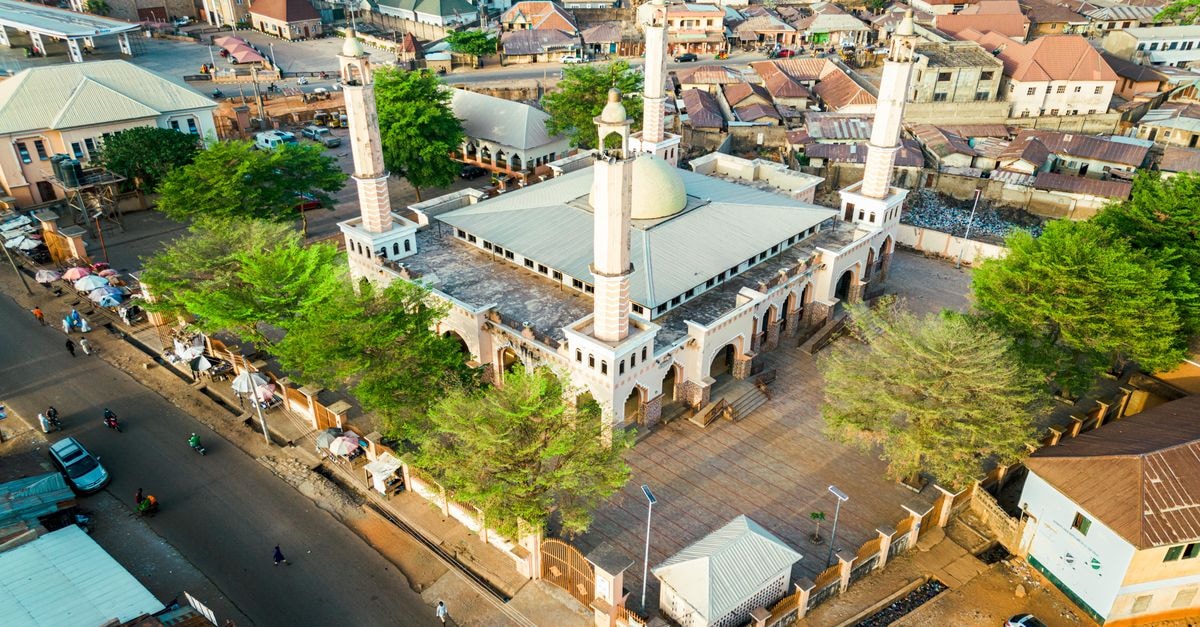
Kananga is a city where the journey is part of the texture, and a little patience goes further than a tight schedule. The city is documented as a destination in its own right in established travel references, which is useful for cross-checking maps, neighborhood names, and basic orientation before arrival.
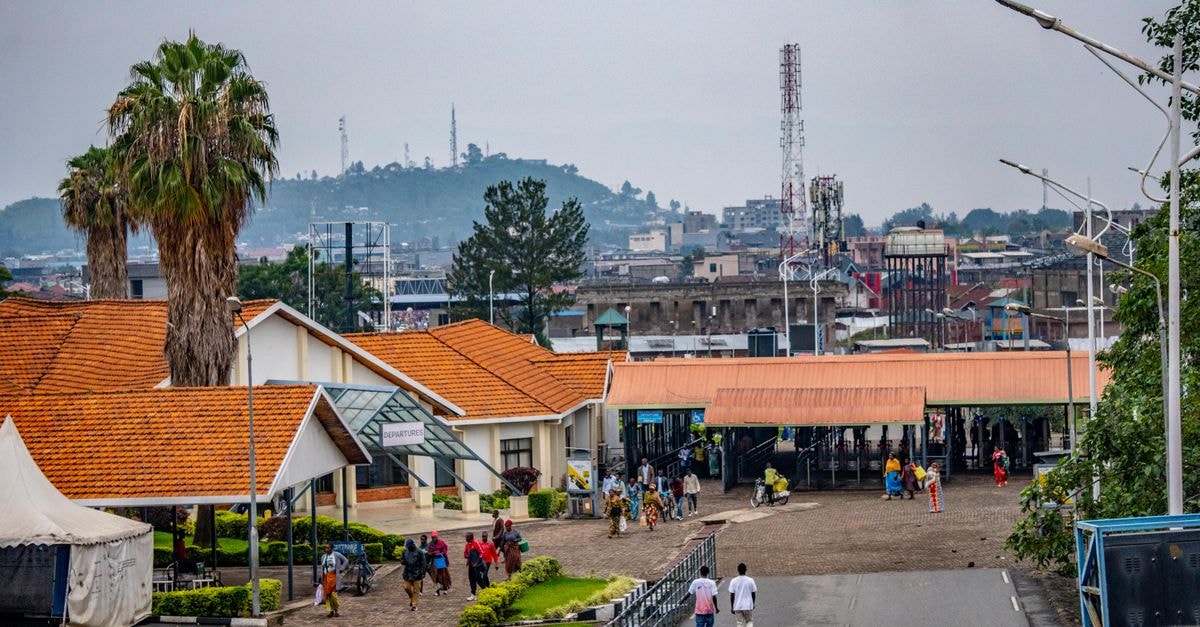
Getting in usually means a domestic flight, and travelers should set expectations accordingly. Domestic flights in the Democratic Republic of the Congo often face delays, and the airport transfers on the Kananga side are basic, meaning the last leg of the trip can feel slow and informal. Building in buffer time, both at the departure city and on arrival, is less a luxury than a practical necessity, especially if onward connections depend on the same day.
Once in the city, the rhythm is best matched to local reality rather than to a checklist. Short stays need careful planning: a 24-hour layover in Kananga is widely described as highly impractical and not recommended, which is a useful signal that the city rewards travelers with at least a couple of days to settle in, find their footing, and let the pace of the place set the tempo. If you prefer structured sightseeing with timed entries, consider that style of travel does not fit well here, while travelers who enjoy slow walks, street-level observation, and flexible days may feel more at home.
For travelers who like a bit more certainty around logistics, the smart move is to confirm flight status the same day, arrange ground transport through a known contact before wheels-down, and accept that the city runs on a looser clock than a European capital.
Food and local context
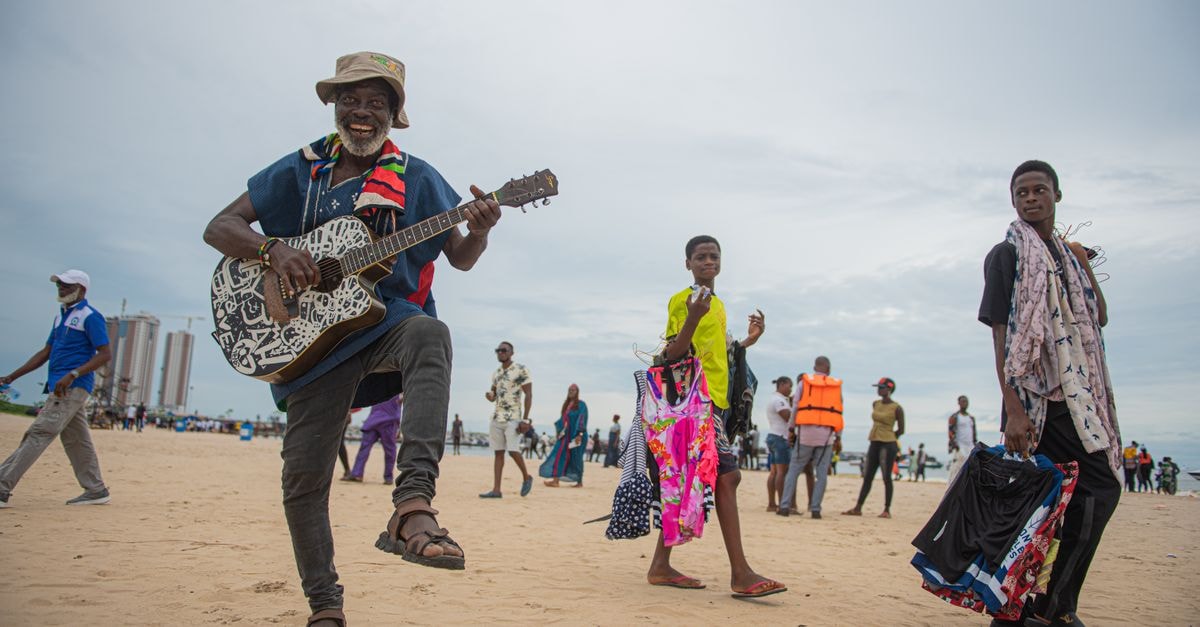
Eating in Kananga is best understood through the wider Democratic Republic of the Congo food culture, which gives visitors a useful baseline even before the first meal. The national cuisine is often described as tasting of plantain smoke and palm oil heat, a sensory shorthand for the slow-cooked stews, grilled plantains, and rich, oily sauces that show up across the country, including in Kasai kitchens. Knowing this in advance helps travelers read a menu or a roadside plate without feeling lost.
A traditional dish visitors are likely to encounter during their time in the country is fufu, sometimes also called ugali, a starchy accompaniment made from cassava, maize, or plantain that serves as the foundation of many meals. It is typically eaten with the hands, dipped into sauces and stews, and acts as the calm anchor next to spicier or more intensely flavored components. Seeing fufu on a plate is less a restaurant specialty than a sign that the kitchen is speaking the everyday language of Congolese home cooking.
Congolese cuisine varies widely, reflecting the food of indigenous peoples across a very large and culturally diverse country, so the exact dishes that appear in Kananga will reflect local Kasai ingredients and preferences rather than a single national template. Travelers with an open appetite, and a willingness to ask what is in the pot, tend to get the most out of meals here. If you have dietary restrictions, learning the local names for staples like plantain, cassava, and palm oil makes it much easier to ask the right questions at a market stall or a small restaurant.
Choosing what fits a Kananga trip
The shape of a visit really depends on what a traveler is hoping to feel rather than what they hope to tick off. Because domestic flights can be delayed and the city itself is best absorbed slowly, visitors who enjoy a flexible rhythm and who are comfortable with basic transfers may find Kananga rewarding, while those who need tightly timed sightseeing blocks may find the pace frustrating. The climate rewards travelers who plan their heaviest movement for cooler hours and who are happy to pause during the warmest part of the day, and food experiences tend to suit curious eaters who are open to fufu, palm oil-based sauces, and the smoky, plantain-forward flavors of wider Congolese cooking rather than travelers looking for international menus. Treating the trip as a few days of grounded city time, rather than a tight transit stop, is the single biggest practical adjustment that makes a Kananga visit feel right.
Before you go
A short verification note worth keeping in mind: confirm the current weather window and any local advisories through an official or live conditions source before departure, double-check that the Yellow Card vaccination certificate is on hand and up to date, and revalidate flight timing on the day of travel. Factual travel conditions can change, and official channels should be checked before departure.
Share this article
TOOLS FOR THIS PLAN
Make the Kananga plan measurable
Choose a tool only when it answers the next question in your trip. Your values stay in the browser, and each tool offers a route back to this planning context.