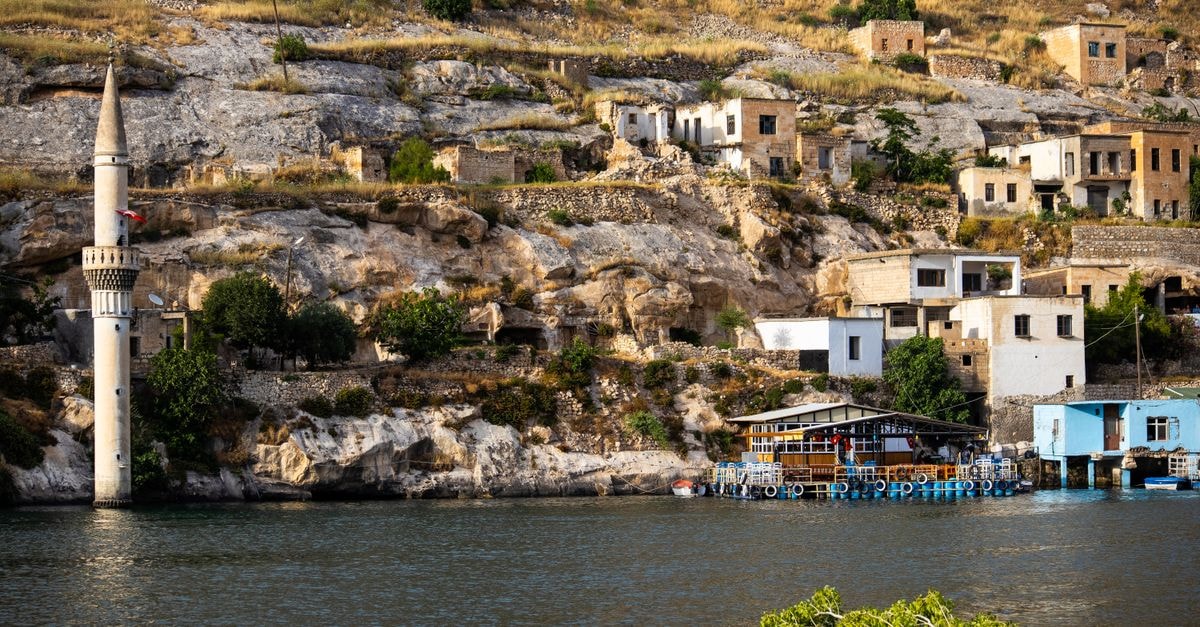
A quick first look at Karaj

Karaj sits at the foot of the Alborz mountains in Alborz Province, and it often shows up on an Iranian itinerary as a calmer, greener counterpoint to Tehran rather than a standalone capital-style stop. Travelers tend to arrive here drawn by a few very different things at once: Safavid-era architecture, dam-side landscapes along the Karaj River, and the highland routes that fan out toward the Alborz range. The city has its own identity as the capital of Alborz Province, but for a visitor it usually works best as a short-stay base for slow mornings, heritage strolls, and one or two excursions into the surrounding valleys.
The rhythm here is unhurried in a way that feels distinctly provincial, even though Tehran is just down the road. That balance, easy access paired with mountain scenery and a handful of notable historical sites, is what makes Karaj a quietly appealing addition to a wider Iran trip.
Weather and seasonal context
Karaj sits at the southern edge of the Alborz range, and the climate reflects that position. Average daytime temperatures tend to settle around 24°C (75°F), while the daytime maximum can climb as high as 36°C (96°F) and overnight minimums can dip to around 11°C (53°F). For travelers, that spread is the key thing to plan around rather than any single number: a single day can shift from warm and bright in the afternoon to noticeably cool once the sun drops behind the mountains.
Layers are the practical answer. Lightweight clothing covers the warmer parts of the day, and a light jacket or sweater earns its place for early mornings, shaded valleys, and evenings. Because the city is close to higher terrain, conditions in the surrounding valleys can feel cooler and more changeable than in the city center. Visitors heading toward Aderan Bending Waterfall on the Karaj-Chalus Road, or toward the nearby Kurdan, Varian and Orangeh valleys, may want to pace the day a little differently than they would in the lowlands: an early start often gives the most comfortable temperatures and the clearest light, with a slower afternoon back in town once peaks are past.
The other seasonal nuance worth carrying into your planning is the diurnal swing itself. Karaj's elevation means sun and shade feel meaningfully different, so sunscreen, water and a hat matter during the warmer half of the day, while a warmer layer becomes useful the moment a breeze picks up. Treat the temperatures as a typical range rather than a guarantee, and build in flexibility for hotter afternoons or chillier evenings.
Reaching Karaj and getting around
Karaj's position on the corridor between Tehran and the Caspian makes it a natural pause point rather than a destination that requires complex planning. For international travelers, the main gateway used for this part of Iran is Imam Khomeini International Airport (IKA), with economy flights typically running between $505 and $655 per person and first-class fares in the $1,585 to $2,055 range. Because those numbers depend heavily on the reader's origin, they're worth treating as reference figures rather than a fixed quote, and it's sensible to compare live fares before booking.
Once on the ground, moving through Karaj itself is straightforward. The city is compact enough that short taxi rides cover most in-town journeys, and the Karaj River and its main arteries make orientation fairly intuitive for first-time visitors. The route toward the Chalus Road is the one most travelers end up using, since it links the city to the Aderan Waterfall area and to the network of valleys that draws a lot of day-trippers into the mountains.
For accommodation, the range is broad enough to fit different styles of trip. Hotels in Karaj span roughly $32 to $146 per night, with an average around $56. That spread makes it easy to match lodging to the rest of your itinerary: budget-conscious travelers can keep nightly costs low, while those who want more comfort or a longer stay still have mid-range and upper-mid-range options without crossing into luxury pricing.
Heritage stops and natural landmarks
Karaj's sightseeing splits cleanly into two threads, and a short stay benefits from touching both. The historical thread runs through the Shah Abbasi Inn, a stone-and-brick building that dates to the Shah Soleiman era of the Safavids. It is the kind of place that rewards a slow visit: a courtyard, thick walls, and a sense of how caravans once paused here on routes between the plateau and the mountains.
The natural thread begins at Amir Kabir Dam, also known as Karaj Dam, built across the Karaj River. The reservoir and surrounding slopes give the city a distinct visual signature, and the dam area is the most obvious place to feel the meeting of city and mountains. From there, the Karaj-Chalus Road leads toward Aderan Bending Waterfall, and the nearby Kurdan, Varian and Orangeh valleys offer quieter alternatives for travelers who prefer less-trafficked landscapes.
Because opening hours, entry fees and access conditions for these sites can shift, it's worth confirming current arrangements locally before heading out. Treat the descriptions here as a starting point for planning rather than a fixed schedule.
Choosing what fits the trip
Karaj tends to suit travelers who want a base that combines heritage with mountain scenery without the intensity of a major capital. If your priority is a short, slow stay with one or two cultural stops, the Shah Abbasi Inn and a riverside or dam-side walk can comfortably fill a day, with a hotel anywhere across the typical price spread. If you lean toward nature, plan around the Aderan Waterfall area and the Kurdan, Varian or Orangeh valleys, and build in cooler-morning timing so the altitude shift doesn't catch you out. If you're routing through on the way to or from Tehran, a single overnight is often enough to add a heritage stop and a taste of the Alborz foothills, while a longer stay of a few days opens up unhurried valley visits and relaxed evenings. Travelers who prefer warmer lowland conditions year-round, or who want a primarily urban itinerary, may find that Karaj works better as a half-day pause than a centerpiece.
A note before you go
Factual travel conditions, including prices, flight ranges, opening arrangements and on-the-ground access to sites, can change. Treat the figures and descriptions in this guide as a starting framework, and verify the details that matter most to your trip through official and up-to-date channels before departure.
Is there a specific site, route or practical detail about Karaj you'd like me to look into further?
Prices, opening hours, schedules, reservation rules, and local conditions can change; verify them through official channels before departure.
Share this article
TOOLS FOR THIS PLAN
Make the Karaj plan measurable
Choose a tool only when it answers the next question in your trip. Your values stay in the browser, and each tool offers a route back to this planning context.