A Quiet, Pilgrim-Led City with a Walkable Heart

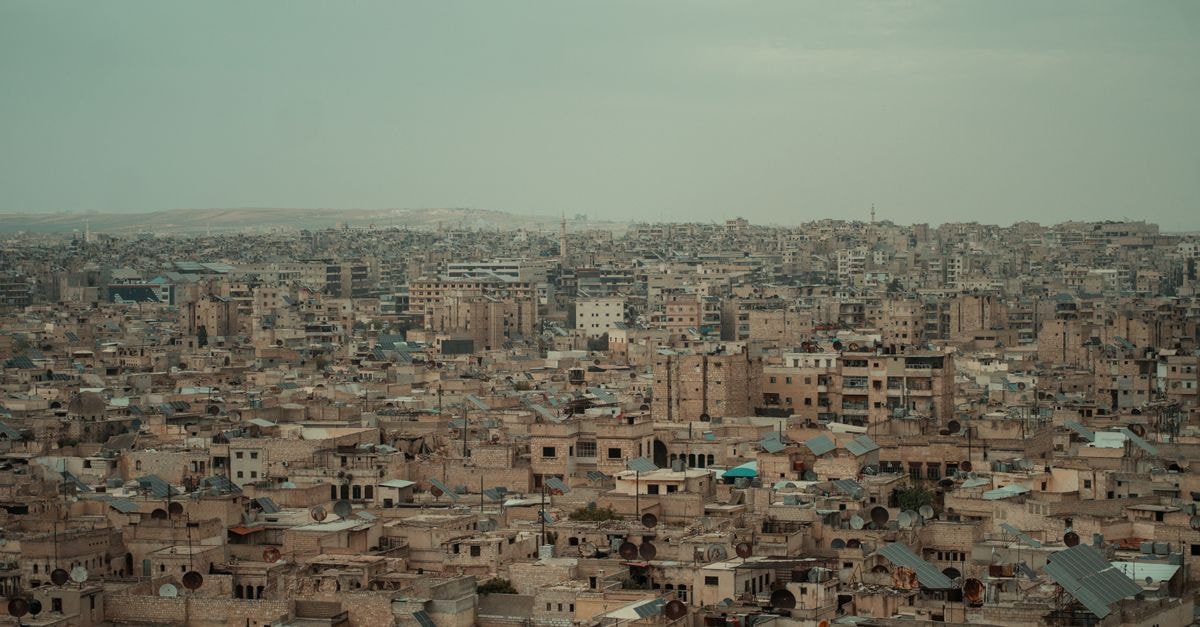
Karbala draws visitors for reasons that sit well outside ordinary sightseeing. It is one of the holiest cities in Shia Islam, anchored by shrines that have welcomed pilgrims for centuries, and that pilgrim traffic shapes nearly every aspect of arriving, moving, and spending time here. For travelers planning a visit, the practical reality is refreshingly simple: the spiritual core is compact and walkable, while longer-distance logistics revolve around two airports and shared road transport from neighbouring cities.
Getting There
Karbala does not have its own commercial airport, so most international and long-haul travelers arrive through one of two nearby gateways. The closest option is **Najaf International Airport (NJF)**, located 75 km south of the city. Because of that proximity, Najaf tends to be the natural choice for travelers already routed through the Middle East on regional carriers, with a relatively short onward transfer to Karbala.
If you want more international flight options, the alternative is **Baghdad International Airport (BGW)**, which sits 100 km north of Karbala. Baghdad handles a wider mix of international carriers, so it is often the more convenient arrival point for travelers coming from further afield, even though the overland transfer to Karbala is longer than from Najaf.
Which airport works best really depends on your routing rather than on the cities themselves. Travelers on regional connections into Najaf get the shortest hop to Karbala; travelers on broader international networks typically find more convenient schedules through Baghdad. In both cases, the airport-to-city leg is an overland transfer, so it is worth thinking of the journey as two distinct steps: your international flight into Iraq, and then the onward leg to Karbala.
Getting Around
Once you are in Karbala, the layout works in your favor. The shrine district is compact, and walking is the natural way to move between the religious sites, the lanes of small shops, and the surrounding hotels that serve pilgrims. Within that core, you can largely forget about transport and simply stroll.
Outside the shrine district, the broader urban area sprawls, with fewer footpaths and limited pedestrian infrastructure, so walking becomes less practical. This is where shared taxis and minibuses come into play. Shared taxis and minibuses connect Karbala with nearby cities, including Najaf, typically priced at around $3–5 per seat. The standard operating model is that vehicles depart when they are full from central stands, which means timing is flexible rather than fixed to a published timetable.
There is one practical caveat worth flagging before you plan to rely on shared transport. Navigating these taxis and minibuses without Arabic can be challenging, because stops, destinations, and full-versus-departing cues are usually communicated verbally in the local language. If your Arabic is limited, it helps to confirm your destination in writing beforehand, travel with a local contact where possible, or ask your hotel to arrange a car for the leg between cities.
Attractions and Planning
The reason most travelers come to Karbala is the **Imam Hussein Shrine**, the city's defining landmark and the focus of religious and historical importance for Shia Muslims. It is open year-round to pilgrims and tourists, and it is famous for its annual Ashura commemorations, which draw millions of visitors from around the globe. Even outside those peak commemorative periods, the shrine complex functions as the living heart of the city.
Planning a visit is more about mindset and dress than logistics. The shrine district is a working religious site as much as a tourist attraction, so visitors tend to be respectful of prayer times, the flow of pilgrims, and the conventions of the space. Modest dress is appropriate throughout the shrine area, and the same courtesy extends to photography, which is often restricted in certain sections of the shrines.
Because the district is compact, most travelers find that a single day is enough to walk between the principal shrines and take in the surrounding lanes at an unhurried pace. The wider urban area is best explored with a car or taxi rather than on foot, given the limited pedestrian infrastructure beyond the core. If you are combining Karbala with Najaf, the shared taxi and minibus link between the two cities is straightforward and inexpensive.
A Few Final Notes
A short checklist can save friction on arrival. Confirm which airport your international flight uses before booking onward transport, since Najaf and Baghdad sit in opposite directions from the city. Carry enough local cash for shared taxis and minibuses, since these are typically arranged and paid for in person rather than through apps. Keep your hotel's contact details handy for the first day, especially if your Arabic is limited, as staff can help translate a destination or call a car.
Karbala is a city where the practicalities are straightforward once you arrive. Two airports feed into it, the spiritual core is genuinely walkable, and shared road transport handles the longer hops at low cost. The main thing visitors need to bring is patience with shared transport timetables and sensitivity to the religious nature of the place. With those two things in place, the city reveals itself at a comfortable, pilgrim-led pace.
*Travel conditions can change. Factual details such as transport options, airport routes, and shrine access should be verified through official channels before departure.*
Share this article
TOOLS FOR THIS PLAN
Make the Karbala plan measurable
Choose a tool only when it answers the next question in your trip. Your values stay in the browser, and each tool offers a route back to this planning context.