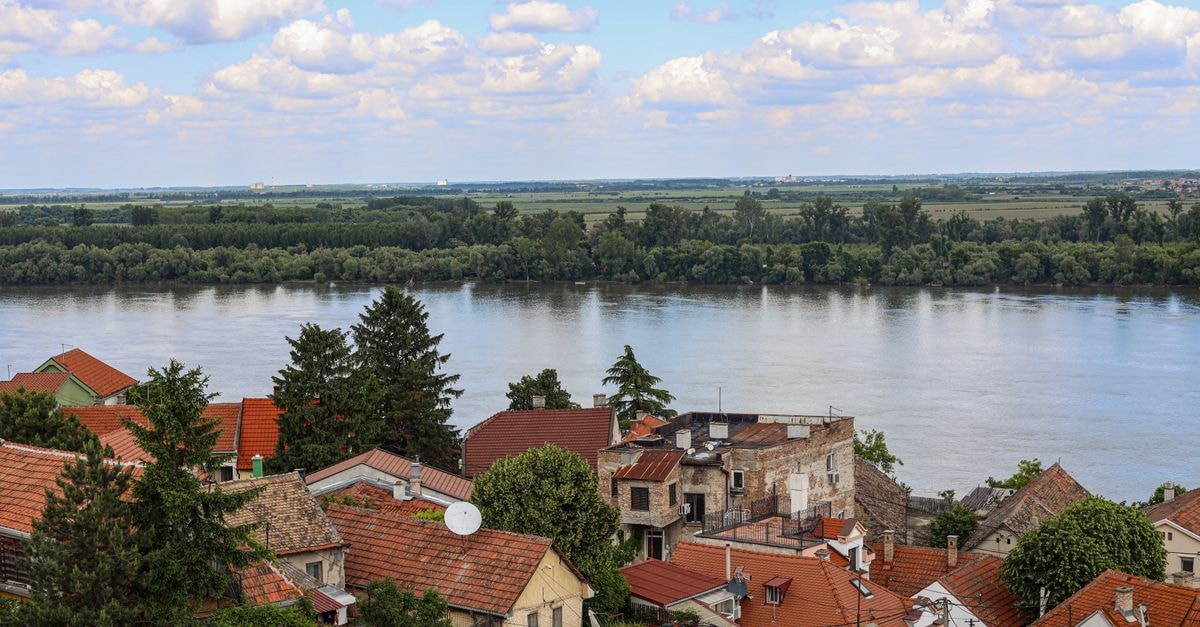
Karlovac is an inland Croatian city shaped by four rivers and a long military history. It also works as a practical base for exploring nearby destinations, giving travelers an easy-to-understand city break that can be paired with cultural stops or day trips. This Karlovac travel guide focuses on the sights, planning considerations, and transport choices supported by current destination information.
Understanding Karlovac’s River-City Character
Karlovac is known for its four rivers and its Renaissance-era origins, but the city’s appeal is not limited to a single landmark. The Karlovac City Museum offers the clearest compact introduction: its well-curated collection covers the city’s military origins, trade history, and everyday life across four centuries. That combination of military, commercial, and domestic history gives visitors a useful way of reading the city beyond its riverside setting.
For travelers who prefer context-rich sightseeing, the museum may be a satisfying first stop. Instead of treating Karlovac only as a stopping point, a visit here can help explain why the city developed as it did and what life has looked like across different periods. Confirm the museum’s current visiting arrangements before making it the centerpiece of a particular day.
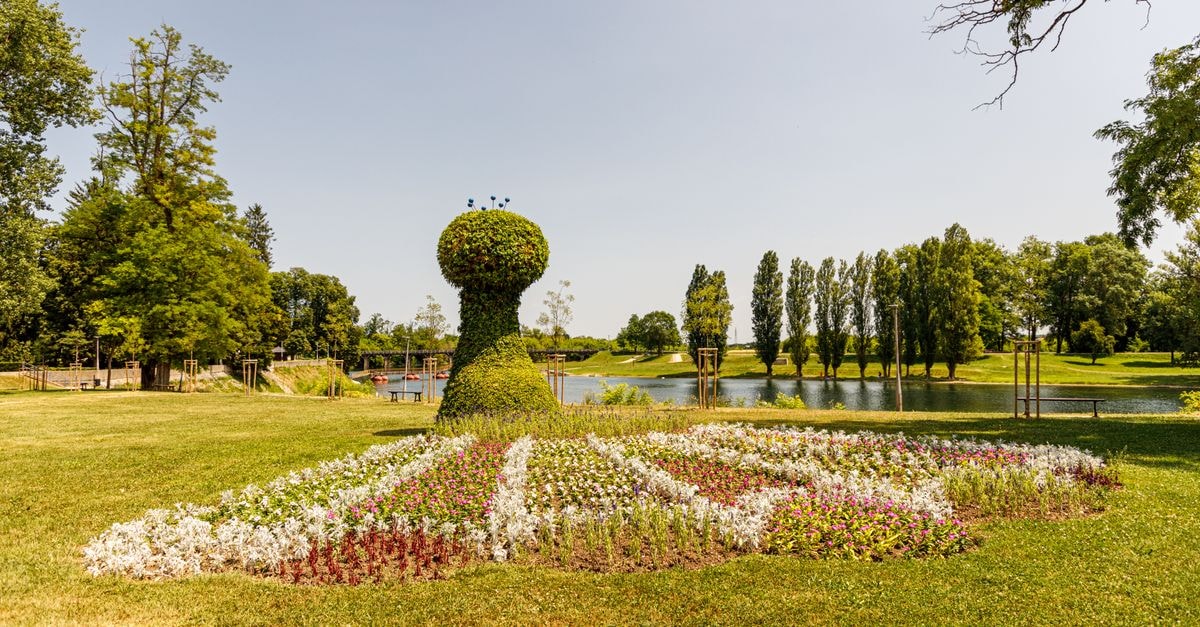
The city also has a notably walkable, leafy character. Historic promenades and parks follow the outline of the old fortifications, creating green corridors that invite a slower pace. If you prefer open-air wandering to a tightly packed list of major monuments, these spaces offer a natural way to experience Karlovac at a comfortable rhythm.
Museums, Parks, and a Relaxed City Day
The strongest pairing in Karlovac is between Karlovac City Museum and the historic promenades and parks. The museum supplies a focused cultural visit, while the green corridors provide time outdoors and room to explore at your own pace. You might begin with the museum, then continue along the fortifications’ outline when you want a more open-ended afternoon.
This combination may suit travelers who want to understand a place without turning every moment into a scheduled excursion. It also allows for changing interests: history enthusiasts can give the museum more attention, while those who prefer greenery can prioritize the promenades and parks. The evidence supports a walkable and leafy inland city, but it does not provide details about paths, surfaces, benches, or accessibility, so visitors with specific mobility needs should check those details directly.
Cost and crowd levels are another point worth verifying rather than assuming. Published city guidance notes that costs and crowds are part of the realities of visiting Karlovac, but the available information does not supply a current price range or a reliable crowd calendar. For an evidence-led budget, request up-to-date ticket information and avoid building assumptions around unconfirmed discounts.
Choosing a Day Trip Beyond Karlovac
Karlovac is described as a practical base for day trips, with Rastoke, Samobor, and Ogulin identified as the easiest add-ons. This makes the city a sensible choice for travelers who want one destination with both city sightseeing and options beyond it. You do not need to choose all three at once: each can be considered according to the kind of outing you want.
Rastoke, Samobor, and Ogulin are useful because the source identifies them directly as easy additions to a Karlovac stay. If your priority is an uncomplicated extension to the trip, start with that shortlist rather than assembling a more complicated itinerary. For travelers who prefer not to commit immediately, a short verification question before travel can help: which of these day trips best matches the pace and kind of outing you want?
The available guidance does not include specific distances, journey times, transport schedules, attraction descriptions for these three places, or current booking requirements. Those details should therefore be checked before departure rather than inferred. Likewise, the guides to day trips and common myths about Karlovac are useful planning references, but their year labels are not part of this evergreen guide.
Transport and Reserved Access at Plitvice
Plitvice Lakes National Park is connected to Karlovac County, and the approved transport information describes a guided visit with transport and park tours included. The itinerary also includes a panoramic train tour and an electric-boat ride, offering several ways of experiencing the lakes and waterfalls. The park is UNESCO-listed, which adds a distinctive focus to the visit.
This arrangement may suit travelers who value a prearranged structure: transport, entry, and park experiences are combined rather than requiring the visitor to assemble each element independently. The source specifically presents it as a reserved-entry visit, so the transport arrangement is part of the product rather than an optional detail.
There is an important geographic distinction, however. The described guided tour departs from Zadar, not from Karlovac. It should not be treated as a Karlovac day-trip departure without checking the actual meeting point. If you are staying in Karlovac and want to visit Plitvice, verify whether this exact tour is relevant to your route or whether another arrangement is needed.
Availability and timetables can change, so check the operator’s official channel before booking or relying on this option. The same applies to entry arrangements for independent visits: the guided tour demonstrates one structured way to visit the park, but it does not establish what every visitor must do when organizing a trip directly.
Building a Karlovac Itinerary That Fits
Karlovac can suit different travel priorities because its strongest sights serve contrasting styles of sightseeing. The Karlovac City Museum offers a concentrated, four-century account of military origins, trade, and everyday life. The historic promenades and parks, meanwhile, suit anyone who prefers leafy outdoor spaces shaped by the former fortifications. For city-based travelers who prefer depth to distance, these two experiences provide a natural balance.
Those seeking more from a Karlovac base can consider the shortlist of manageable day-trip additions: Rastoke, Samobor, or Ogulin. The available evidence does not distinguish their individual attractions, so choose according to current verified details rather than an assumed theme for each place. Travelers with limited time may also prefer one clearly researched excursion over several loosely connected stops.
Plitvice offers a different transport experience through a guided package involving transport, park tours, a panoramic train ride, and an electric boat ride. This may appeal if guided interpretation and reserved entry are priorities, but the advertised departure is from Zadar, making route verification essential for anyone based in Karlovac.
The key is to separate what is confirmed from what still needs checking. Karlovac’s museum, four rivers, historic promenades, and leafy character are established parts of this guide. Day-trip logistics, Plitvice departures, current entry procedures, prices, and schedules remain subject to change.
Before departure, check official attraction and transport channels for current opening arrangements, ticket requirements, tour availability, and schedules. Factual travel conditions can change, and official channels should be consulted before making bookings or setting a fixed route.
Share this article
TOOLS FOR THIS PLAN
Make the Karlovac plan measurable
Choose a tool only when it answers the next question in your trip. Your values stay in the browser, and each tool offers a route back to this planning context.