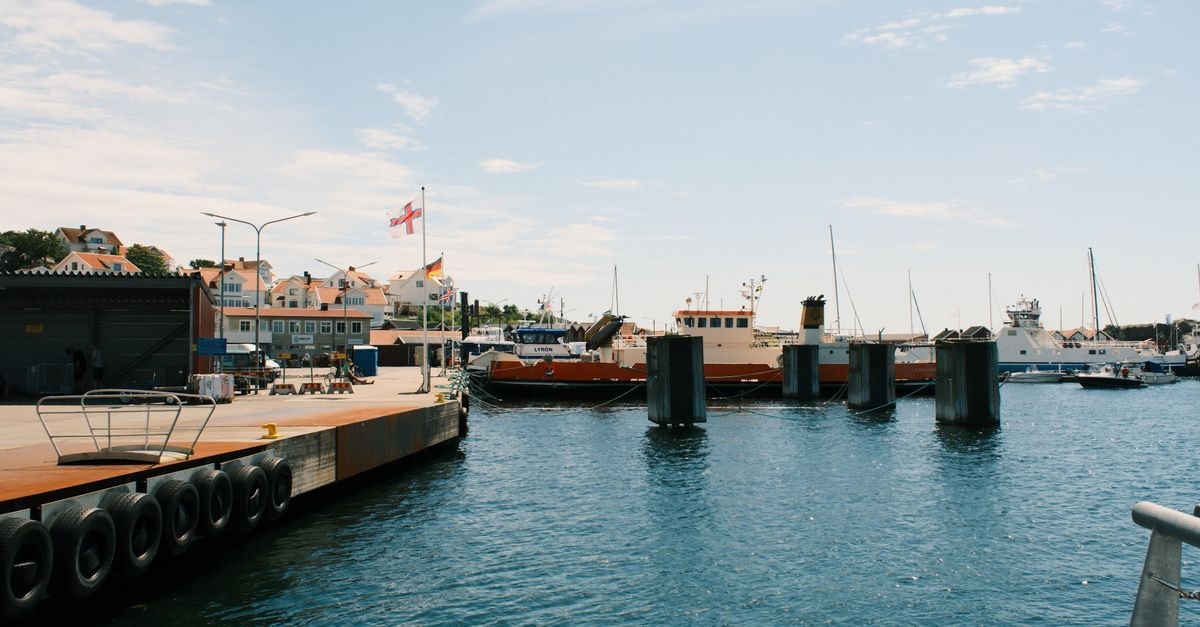
A first look at Karlskrona

There's a particular kind of quiet that settles over a port city built deliberately on islands, and Karlskrona carries exactly that feeling. Squeezed onto a handful of flat islands where the Baltic Sea reaches deep into the Blekinge coastline, the city reads at first glance like a carefully drawn map: waterways instead of highways, naval yards turned into landmarks, and a tidy archipelago horizon that seems to stretch forever in soft northern light. UNESCO has recognised the naval port as a World Heritage site, and even a short walk makes it easy to see why — the geometry of the place feels considered, with broad esplanades and pale buildings arranged around basins that once held the Swedish fleet.
For travellers, that means Karlskrona rewards unhurried exploration. The compact core can be crossed on foot in well under a day, but the layers of maritime and 17th- and 18th-century history give the city an unhurried, almost reflective pace. It's the kind of place where you slow down without meaning to, where the sound of gulls replaces traffic, and where you find yourself lingering over a coffee longer than planned.
Weather and seasonal context
Karlskrona sits on the southern Baltic coast, so the climate carries a touch of maritime softness that you sometimes feel more than see. Days can feel bright and surprisingly mild for Sweden, with cool evenings settling in off the water once the sun lowers. Because the city is built directly on the sea, weather shifts often arrive quickly — a calm morning can give way to a fresh, breezy afternoon along the esplanades. Visitors tend to appreciate a light extra layer, especially for waterfront strolls and boat viewpoints where the wind picks up off the open water.
Pack as if the day will change its mind, and you'll be comfortable in nearly any weather window. A compact rain jacket and shoes with grippy soles come in handy on the older granite streets around the historic basins. When sunlight breaks through, the pale naval architecture seems to glow, and the harbour views feel almost cinematic — a reminder that Karlskrona lives in close conversation with the sea in every season.
Getting around
Karlskrona's geography asks visitors to think in terms of bridges, ferries, and short walks rather than long car rides. The central islands are tied together by a series of bridges that most visitors cross on foot, and the distances between the main landmarks are short enough that an itinerary can flow without a vehicle. Water remains a part of the city's everyday rhythm: ferries and small boats connect the central islands with neighbouring ones, which gives even a brief visit a slightly adventurous flavour.
The central islands can be explored on foot, and several of the most important historic structures sit within an easy stroll of one another. For travellers arriving without a car, the central location of most hotels and the compact distances mean that getting oriented rarely takes more than an afternoon. If a longer stretch of coastline or a quieter residential island beckons, local ferries offer a relaxed way to extend the visit without ever feeling rushed.
Food and local context
Eating your way through Karlskrona is, like in the rest of Sweden, a chance to dip into a national food culture that takes its everyday rituals quite seriously. The fika tradition — that deeply held habit of pausing for coffee and a pastry, usually something buttery and cardamom-scented — shapes the rhythm of the day for locals and curious visitors alike. Cafés in Karlskrona lean into the same culture, and a mid-afternoon stop with a kanelbulle and a cup of coffee is one of the simplest ways to feel the pulse of the place.
Sweden's wider food scene, which visitors to Karlskrona will encounter in one form or another, ranges from hearty traditional dishes to contemporary kitchens experimenting with seasonal, foraged, and New Nordic ideas. Smoked, cured, and pickled fish show up frequently on menus, reflecting the country's long coastline, as do crispbread, lingonberry jam, and pastries rooted in old baking traditions. You're likely to see clean, design-forward café interiors alongside cosy inns serving more classic fare — a balance that says a lot about how Swedes approach hospitality.
Making the most of a short stay
Because the city is small and walkable, a visitor's biggest decision is usually where to start. Many travellers begin at the heart of the naval heritage — the old shipyard areas and bastions — and then let the map draw them outward toward the waterfront promenades and church towers. Even a quick visit can feel generous if you leave space for slow pauses along the harbour, where the Baltic light tends to linger.
Karlskrona rewards a lighter schedule. Rather than racing between ticketed entrances, give yourself room to wander the esplanades, sit with a coffee by the water, and let the ferry routes suggest their own mini-adventures. The city has a way of making a short stay feel complete simply because it folds everything — sea, history, and a gentle local pace — into such an easy-to-read footprint.
A small honest note before you go
Travel conditions shift: ferry timetables change, opening hours vary by season, and weather along the coast can turn on a breeze. Treat any practical detail here as a starting point rather than a guarantee, and cross-check ferry schedules, museum hours, and bookable experiences through the official operator or visitor centre before relying on them. Live exchange rates matter too — if you convert prices into your home currency, glance at the day's rate before settling the bill.
Above all, give Karlskrona the kind of unhurried attention it seems to ask for, and the city tends to give it right back.
Prices, opening hours, schedules, reservation rules, and local conditions can change; verify them through official channels before departure.
Share this article
TOOLS FOR THIS PLAN
Make the Karlskrona plan measurable
Choose a tool only when it answers the next question in your trip. Your values stay in the browser, and each tool offers a route back to this planning context.