A welcoming regional capital in the north

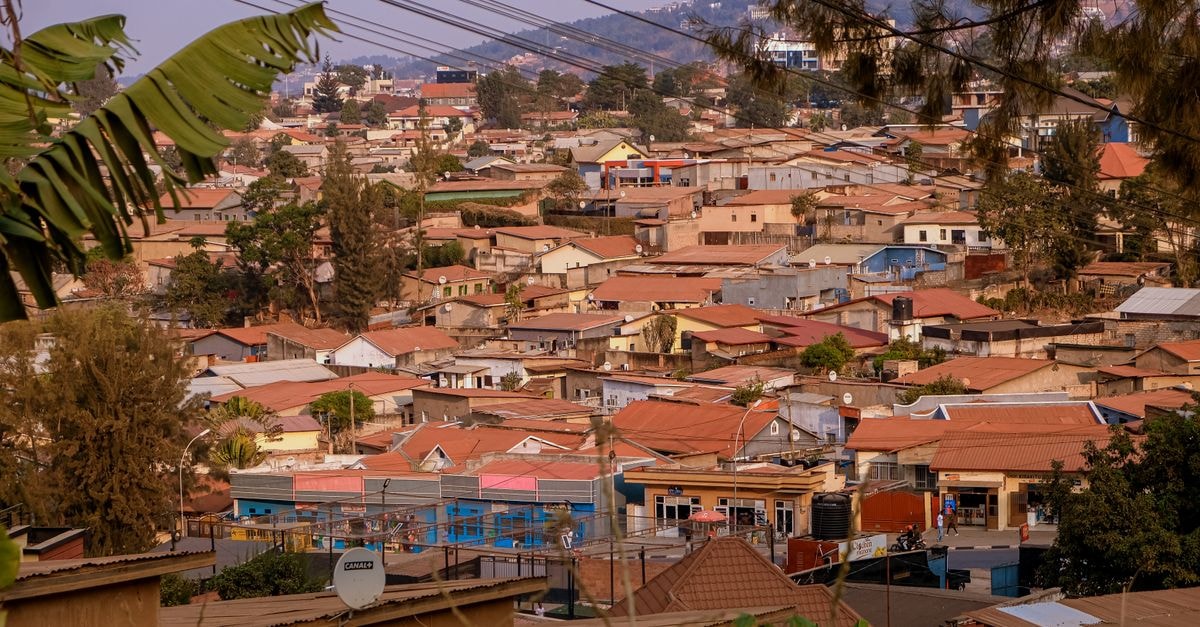
Kasama sits at the heart of Zambia's Northern Province, serving as the administrative and commercial center for the surrounding districts. It has the steady, unhurried feel of a working provincial city rather than a polished tourist town, and that honesty is part of the appeal. Travelers who arrive expecting only a stopover on the way north often find themselves lingering for the surrounding scenery, the local culture, and the slower pace of life.
The city's role as a gateway to the wider region is one of its defining qualities. From Kasama you can reach nearby waterfalls and historical rock paintings without the polished feel of Zambia's headline destinations. That makes it a smart base for travelers who prefer depth over checklists and who enjoy places where the rhythm is set by locals rather than tour buses.
Getting to and around Kasama
Reaching Kasama is straightforward once you know the options. Proflight operates a twice-weekly service linking Lusaka with Kasama, which is the simplest air route for visitors flying in from the capital. For those who prefer to keep their wheels on the ground, an overland journey from Lusaka takes roughly ten hours by road, winding north through the country's central landscape. Coaches are described as the most common long-distance option, with modest fares that tend to vary by operator and demand.
Once you are in Kasama itself, getting around is uncomplicated. Local minibuses and shared taxis handle shorter routes, including connections to nearby towns such as Mansa and Mpika and to other district centers. Departures are frequent, fares are lower than the intercity coaches, and the system is geared toward people who travel this way every day, which means the rhythm is fast and informal rather than tourist-polished. For visitors, that translates into cheap, flexible transport, but also one where patience and a sense of humor go a long way.
The city itself is compact enough that most of the central area can be explored on foot, especially around the markets and the main civic landmarks. Hiring a car is an option for travelers who want to range further afield, and comparison sites are a sensible first stop for sorting through offers. As ever, it is worth confirming vehicle condition, insurance terms, and whether the route you intend to take is suited to a standard rental before committing.
Attractions and planning your time
Kasama is best approached as a base for exploring, not as a single-sight city. It is widely described as a regional hub serving as a low-cost gateway to spectacular natural scenery, including nearby waterfalls and historical rock paintings that draw visitors out of the town center and into the wider Northern Province. The Moto Moto Museum is commonly referenced in guide listings as a landmark associated with Kasama, though travelers should verify its current visitor status locally before planning around it.
Practical planning here is simple. Give yourself enough time in Kasama to settle in and to use it as a launchpad, rather than racing through on a transit day. Most published city guides suggest a small handful of top places to visit within the city limits, but the real reward comes from pairing the urban sights with at least one longer excursion into the surrounding countryside. That balance is what turns a stopover into a stay.
A few grounded pointers help. Footwear suitable for uneven ground is wise, particularly if you intend to visit waterfalls or rock art sites where paths can be rough. Cash is useful for smaller establishments, and a buffer of extra time for onward travel keeps plans flexible. As always, the most current information on opening hours, entry fees, and access conditions should be checked locally before heading out, since these details can change without much notice in regional Zambia.
Food and local context
Food in Kasama is part of the city's everyday texture rather than a curated tasting menu. Local cuisine is described as a blend of traditional and modern flavors, drawing on the staples of the region and adapting them to contemporary tastes. Visitors tend to encounter hearty, familiar northern Zambian dishes, often built around maize, groundnuts, beans, leafy greens, and whichever protein is fresh that day. Markets are a good way to see what is in season and to taste the produce that shapes the kitchens of the city.
For travelers, the most rewarding approach is to eat where locals eat. That might mean a shared plate at a simple restaurant in the center of town, grilled snacks from a street vendor, or fresh produce picked up from a market for a self-catered meal. Asking recommendations from your hosts, your driver, or fellow diners is often the most reliable guide to what is good on any given day, and it is a natural way to step into the rhythm of the city.
A short note on the wider cultural setting rounds out the picture. Zambia as a whole is widely described as a country known for warm, genuine encounters between travelers and residents, and that reputation carries naturally into Kasama. A respectful approach, an openness to learn a few greetings in the local language, and patience with local rhythms go further than any guidebook tip. Hospitality here tends to be direct, generous, and unforced, and visitors who match that energy usually find the city opens up quickly.
A final note before you go
Kasama rewards travelers who arrive with a flexible plan rather than a tight script. Use the city as a base, keep a few extra days in reserve in case you fall in love with the surrounding region, and treat the local advice you pick up along the way as the most reliable guide you will find. Practical details such as transport schedules, road conditions, and entry requirements can shift, so a quick check with local operators or your accommodation shortly before departure is always sensible. Rates, fares, and fees referenced in any guide are starting points rather than guarantees, and currency conversions in particular should be confirmed against the live rate on the day you travel.
Factual travel conditions can change, and official channels should be checked before departure to confirm the latest information on transport, access, and local requirements.
Share this article
TOOLS FOR THIS PLAN
Make the Kasama plan measurable
Choose a tool only when it answers the next question in your trip. Your values stay in the browser, and each tool offers a route back to this planning context.