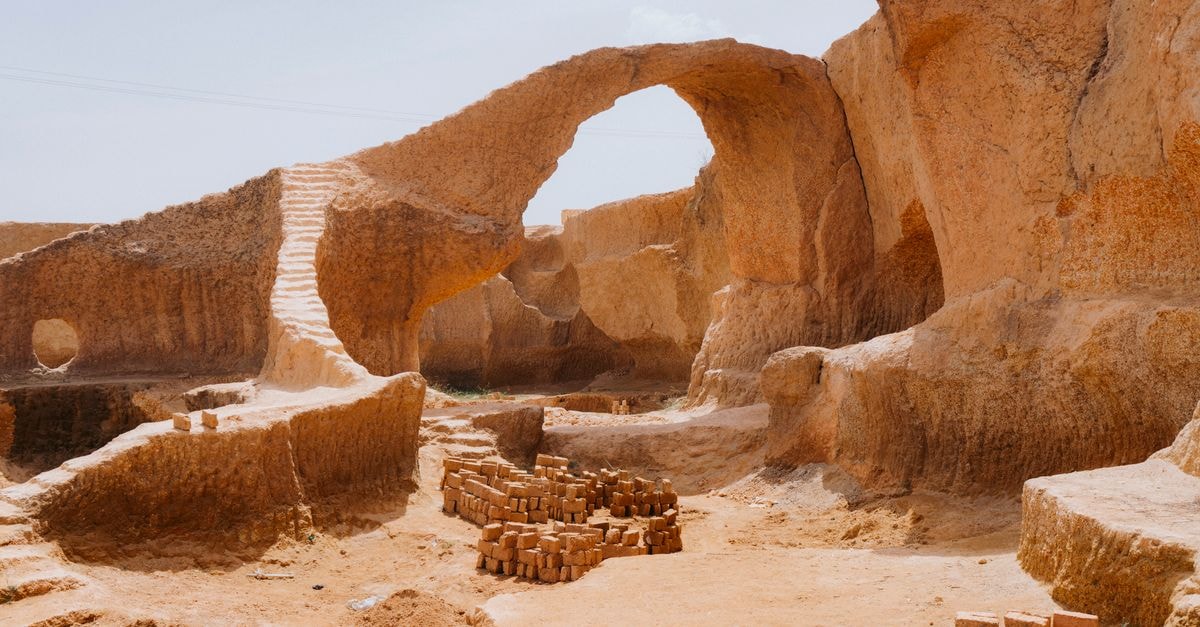
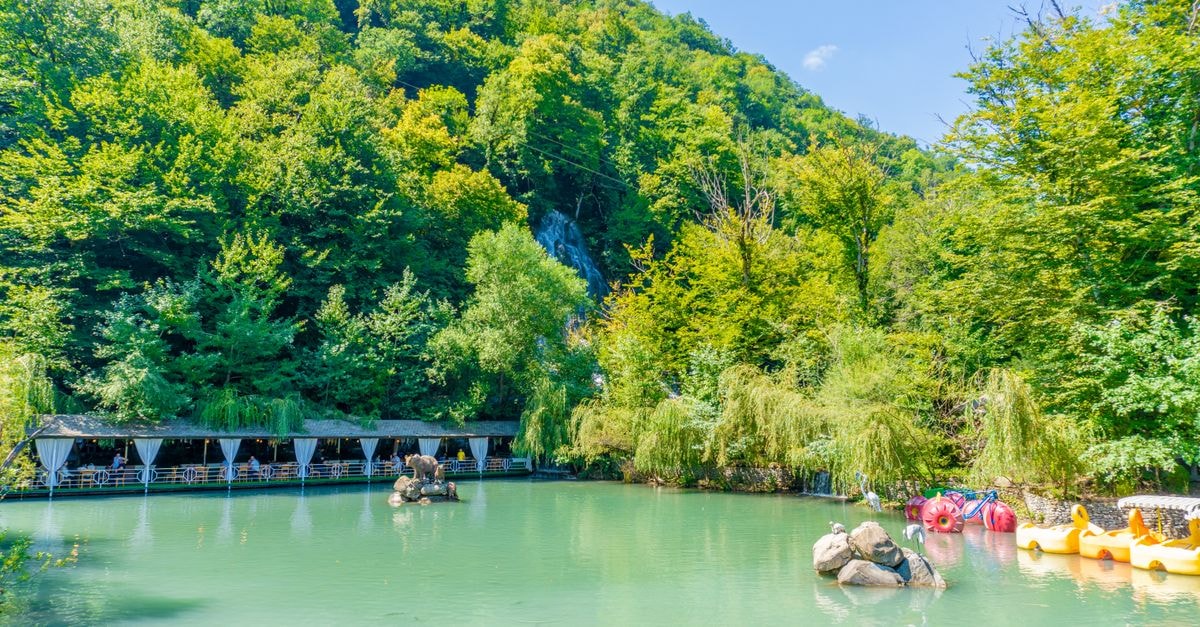
Tucked into the high plains of west-central Tunisia, Kasserine is the kind of city that rewards travelers who arrive with curiosity rather than a packed checklist. It sits within a governorate of the same name, and its character blends a working market-town rhythm with the heavy historical weight of the Second World War. For visitors looping through the Tunisian interior, Kasserine offers a more grounded, everyday feel compared to the coastal hubs, and it works well as a thoughtful pause rather than a headline destination.

The guide ahead covers what the available evidence actually supports: seasonal context, how to move around once you are there, the attractions visitors commonly look for, and the food scene built around traditional Tunisian flavors. Where details such as timetables or prices are not confirmed by the approved sources, they are simply left out, and a short verification note at the end points to where a traveler can double-check before committing to plans.
Weather and seasonal context
Kasserine's location in the interior of Tunisia shapes its climate in ways that any traveler will feel rather than just read about. Daytime temperatures in the wider Kasserine Governorate are described as very warm, while precipitation tends to sit at a moderate level rather than disappearing entirely. There is no detailed monthly breakdown in the evidence to lean on, so this section stays intentionally broad.
In practical terms, that combination can mean sunny stretches where a light, breathable wardrobe carries you through the day, punctuated by the kind of passing shower that turns the streets briefly glossy before the sun returns. Travelers who prefer to pace themselves outdoors may want to plan longer walks for the cooler edges of the day and save midday for cafés, souks, or shaded corners. Anyone heading out for a full day of sightseeing would do well to carry water, because very warm daytime conditions can catch visitors off guard even when the air feels manageable in the shade.
Getting around
Once in Kasserine, getting around is a topic worth thinking about in advance. Public transportation in the city is described as limited, which has real consequences for how a visitor plans their time. Travelers who prefer to wander on foot from one sight to the next, or who expect frequent buses and trams to fill the gaps between attractions, may find that the network does not match those expectations.
This tends to favor travelers who build a flexible day around one or two anchor points, such as a market visit in the morning and a historical stop in the afternoon, rather than trying to chain five separate neighborhoods into a single afternoon. Travelers who prefer independence and are comfortable arranging their own rides for the moments public options fall short will likely find the city easier to navigate. For anyone who strongly prefers a city where a single transit pass reliably connects most points of interest, it is worth verifying the current local options before committing to a route-heavy plan.
Attractions and planning
Kasserine is presented in widely available travel sources as having a list of top attractions worth visiting in and around the city, which gives a natural starting point for planning. The evidence describes the city as carrying historical importance from World War II, and that thread of history is one of the things that draws visitors inland in the first place. Beyond that, the practical takeaway is that Kasserine is treated as a place with a defined set of sights rather than a city where travelers need to invent their own itinerary from scratch.
Travelers who enjoy history with a contemporary everyday backdrop tend to appreciate this kind of city, where a WWII landmark can sit a short walk from a bakery or a vegetable stall rather than being sealed inside a fenced heritage zone. Travelers who prefer cities where every major attraction has a polished visitor center, a ticketed entry, and a printed brochure may find the experience less structured, and that contrast is worth factoring in when deciding what role Kasserine will play in a wider Tunisia trip. Because the source material lists attractions without confirming current opening hours, ticket prices, or guided-tour availability, those details are intentionally left for the visitor to verify on arrival.
Food and local context
Food in Kasserine leans firmly into the traditional Tunisian repertoire, with couscous, brik, and tagines appearing as the dishes most closely associated with local cooking. Visitors used to broader Tunisia context will recognize these as part of a wider national table rather than city-specific inventions, and that framing matters: it sets expectations honestly without claiming a signature Kasserine plate that the evidence does not actually describe.
The town market is consistently highlighted as the social heart of a visit. Local vendors sell fresh produce alongside handmade crafts, which makes it a natural place to slow down, observe daily life, and pick up something edible or handmade for the road. For travelers, this kind of market is often the most rewarding food experience in a city like Kasserine, because it pulls together produce, people, and preparation in one place. Travelers who specifically enjoy browsing working markets rather than restaurant-only itineraries will likely find this the most satisfying part of the food scene, while those who prefer a curated dining list with published menus may want to ask locally for the day's best tagine once they arrive.
Choosing what fits your trip
Kasserine tends to suit travelers who are comfortable letting a city set the pace, who enjoy history layered into everyday streets, and who are happy arranging their own short rides when public transport runs thin. It works less naturally for visitors who want a tightly choreographed, transit-heavy itinerary or who expect every sight to come with a polished visitor setup. The WWII history, the working market, and the simple but recognizable Tunisian dishes make a coherent short stay, especially for travelers pairing it with other stops in the Tunisian interior.
A note before you go
Because the approved sources for this guide do not confirm current ticket prices, opening hours, transit schedules, or service availability, a few small checks before departure will make the trip smoother. A quick look at the latest local information for transport, museum or site opening times, and market days is the simplest way to avoid surprises, and official Tunisian tourism channels are the most reliable starting point for any of those details. Conditions on the ground can change, so treating this guide as a framework rather than a fixed timetable will serve most travelers well.
Prices, opening hours, schedules, reservation rules, and local conditions can change; verify them through official channels before departure.
Share this article
TOOLS FOR THIS PLAN
Make the Kasserine plan measurable
Choose a tool only when it answers the next question in your trip. Your values stay in the browser, and each tool offers a route back to this planning context.