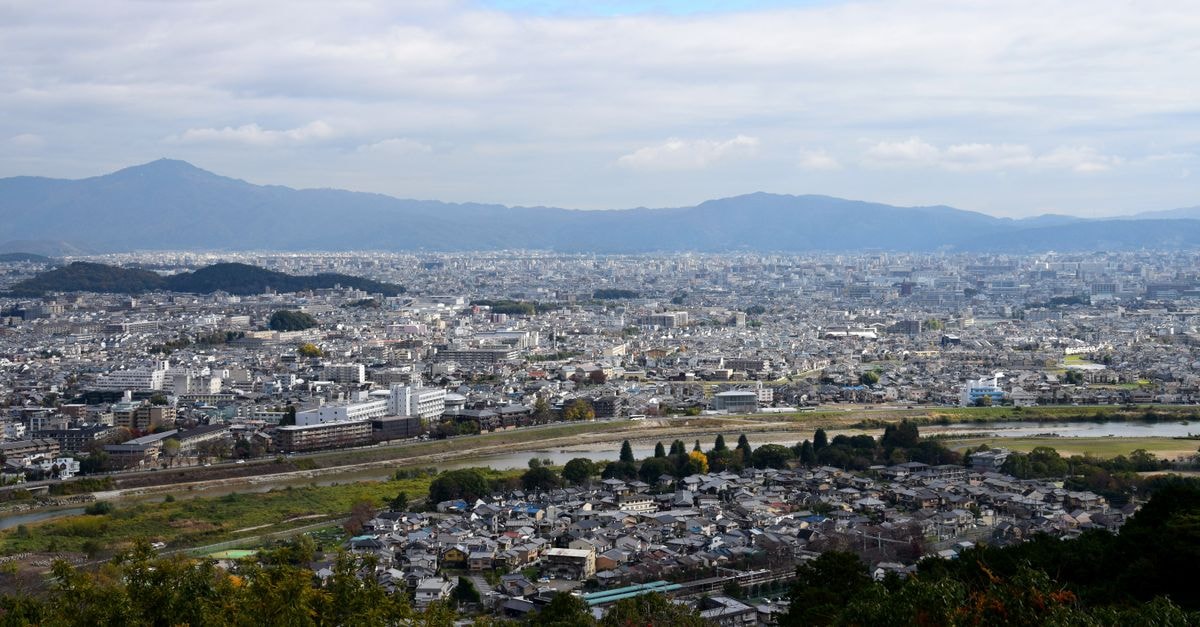
A calm residential base just north of Nagoya

For visitors, that balance matters. You can step off a local train and be somewhere calmer within minutes, and still reach central Nagoya in a straightforward ride. The rest of this guide looks at how to make those connections work, and what to keep in mind about wider Japanese food culture as you plan meals.
Getting around
Kasugai is well placed for travelers arriving through Nagoya. Regular JR Chūō Line services run directly between Nagoya and Kasugai, which means you do not need to change trains on the most common route. The Chūō Line is one of the main commuter arteries feeding into Nagoya Station, so services are frequent and the signage is consistent for anyone who has navigated a Japanese rail station before.
For payment, IC cards such as TOICA, Suica, and PASMO are accepted on the relevant trains and buses in the area. If you already carry a Suica or PASMO from Tokyo or another region, the same card can be used here, which makes boarding quicker and removes the need to keep buying paper tickets. For travelers moving between the JR network and other operators, IC card compatibility helps the transfer feel seamless.
Local buses fill in the spaces that the train does not reach. Around Kasugai, services are operated by Meitetsu Bus together with municipal and community buses, with typical local fares around ¥210–¥300 per ride. That range is useful to know in advance because it sets a rough expectation for short hops within the city, where a single bus ride is generally a few hundred yen rather than a full train fare. If you prefer not to walk long stretches between stations and residential or commercial areas, the bus network is the practical alternative to taxis.
The transport picture here is straightforward: the JR Chūō Line handles the main connection to Nagoya, while local buses cover the in-city gaps. For travelers who like simple, predictable logistics, this is a comfortable arrangement.
Food and local context
Kasugai sits within the wider context of Japanese food culture, which values seasonality, technique, and a careful approach to ingredients. That cultural framing shapes what you encounter in everyday restaurants, from the way menus are organized to the rhythm of meals. Understanding that background can make even a casual lunch feel more connected to the country as a whole, rather than to one city alone.
Japanese cooking places a strong emphasis on health-aware techniques, such as steaming, simmering, and grilling, alongside a focus on fresh, well-sourced ingredients. Visitors who approach meals with curiosity about how dishes are built, rather than only what is on the plate, often find more to appreciate. This is a nationwide pattern, and it is the kind of context you can feel in Kasugai as much as in larger cities, particularly in neighborhood spots that follow long-standing kitchen habits.
For travelers, this means that paying attention to cooking method and ingredient quality tends to be a reliable way to choose where to eat. A place that highlights its broth, its rice, or its seasonal vegetables is drawing on a broader Japanese food vocabulary. That wider cultural framing is the most useful thing to carry with you, since specific restaurants, menus, and specialties within Kasugai are not detailed in the approved sources and would need to be checked on the ground.
Choosing what fits your trip
If you are weighing whether to base yourself in Kasugai rather than central Nagoya, the trade-off is mostly about pace and connectivity. Staying here may suit travelers who prefer a calmer residential setting at the end of the day, while still wanting quick, direct train rides into Nagoya for sightseeing or evening plans. The combination of JR Chūō Line services running directly between the two cities and IC card acceptance across operators means the daily commute is light.
If you would rather step out of your accommodation straight into dense urban streets, central Nagoya is the more obvious fit, and Kasugai works better as a day base or a quieter overnight option. Travelers who plan to use local buses for short hops should expect fares in the ¥210–¥300 range and build a small transport buffer into the day. Anyone who enjoys exploring Japanese food culture through technique and ingredient quality will find plenty to work with, as long as you treat the broader context as a starting point rather than a fixed list of city specialties.
A short verification note
Transport details such as bus routes, fare updates, and IC card acceptance can shift over time. Before your trip, it is worth confirming current JR Chūō Line timetables and any changes to local bus operators through official channels. Factual travel conditions can change, and official sources should be checked closer to departure so that your plans reflect the latest information.
Share this article
TOOLS FOR THIS PLAN
Make the Kasugai plan measurable
Choose a tool only when it answers the next question in your trip. Your values stay in the browser, and each tool offers a route back to this planning context.