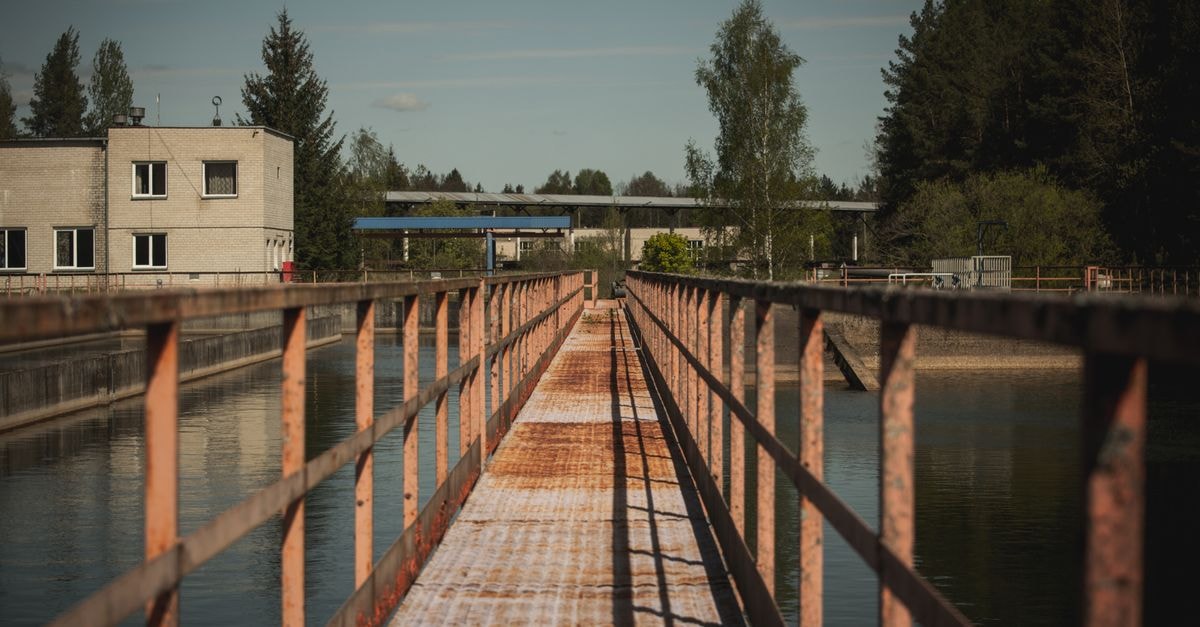
A first look at Kaunas

There is a quiet confidence to Kaunas, Lithuania's second-largest city, that makes it feel instantly welcoming without ever trying to impress. The streets carry the layered patina of an old Hanseatic trading post, a 20th-century modernist capital, and a young, design-minded creative scene that has settled into its riverside and Old Town corners. Walking through the center, the rhythm is gentler than in bigger capitals, and the city often reveals itself in small moments: a tucked-away courtyard, an unexpected mural, the curve of the Nemunas and Neris rivers meeting at the heart of town.
For travelers who like cities with a story they can read on foot, Kaunas rewards a slow pace. A couple of days is usually enough to feel oriented, though you may find yourself lingering longer once you settle into the cafés, the riverside walks, and the easy public transport rhythm. The guide below gathers the practical anchors that help a first-time visitor move through Kaunas with confidence, drawn only from approved sources so you can plan around facts rather than assumptions.
Getting around
Kaunas has a compact, well-organized public transport network that makes it easy to leave the car behind. The system is built around city buses and trolleybuses that connect the Old Town, the residential districts, the riverside, and the main hubs of daily life. For most visitors, those two modes are all you really need to get around, and they are a comfortable way to settle into the city without worrying about traffic or parking.
A practical starting point is the Kaunas Card, which is widely promoted as a convenient option for visitors, or the official mobile app if you prefer to keep tickets on your phone. Both options are designed to keep city-wide travel simple, so you can hop on a bus from your hotel area, transfer to a trolleybus, and step off near the river without thinking too hard about the fare system. Before your first ride, take a few minutes to read through how the card and app work; the small investment in setup pays off every time you board.
A simple rhythm works well in Kaunas: check the map, pick the route that stops closest to where you want to be, and let the buses and trolleybuses do the walking for you when distances start to stretch. The network feels intuitive once you have made one or two trips, and it is a comfortable way to explore beyond the central streets.
Attractions and planning
Because opening hours and ticket details for Kaunas Castle can shift through the year, it is worth checking the official Kaunas Castle site before you go. A quick visit to the website will give you up-to-date prices, current opening times, and any seasonal notes, which helps you plan a smooth stop rather than arriving to a closed gate. This same habit of checking the official site applies to many other sights in the city, especially museums and historical sites that adjust their calendars.
Beyond the headline landmarks, much of the pleasure of Kaunas is in the in-between: the walk down Vilniaus gatve with its shopfronts and cafés, the green stretch along the Nemunas, the lookouts over the rooftops, and the small squares where the city's modern energy shows itself in street art and contemporary galleries. Planning with a loose list rather than a rigid schedule leaves room for these smaller discoveries, which often end up being the most memorable parts of a Kaunas trip.
Food and local context
Lithuania's food culture runs deep, and Kaunas is a comfortable place to taste your way into it. The country's kitchen is rooted in hearty, slow-cooked flavors built around potatoes, rye, beets, dairy, mushrooms, smoked fish, and pork, often shaped by long winters and a strong tradition of home cooking. Visitors to Kaunas will encounter those flavors across the city, served in the kind of relaxed, generous style that suits both a quick lunch and a long evening.
In Kaunas specifically, several classic dishes are widely flagged as must-tries for anyone wanting to get to know the local table. These tend to be the country's signature plates presented through a Kaunas lens: rich soups, dumplings, and other comforting staples that have been part of Lithuanian family cooking for generations. While menus vary from venue to venue, this is the kind of food you can find across many of the city's traditional restaurants, and it offers a good starting point for understanding what the region is known for.
To get closer to everyday food culture, the local markets are an essential stop. Kaunas' market scene is the heart of its culinary life, where producers from the surrounding countryside bring in seasonal vegetables, smoked meats, cheeses, breads, and pickles, and where you can taste the rhythm of how Lithuanians actually shop and eat. Beyond the produce, these halls often have prepared food counters where you can sit down to a hot plate, making them a practical, affordable, and atmospheric place to eat. Browsing the stalls, chatting with vendors, and choosing a meal on the spot is one of the easiest ways to feel plugged into the city's daily life.
If you want a more structured introduction, food tours and guided market visits are a popular way to engage with Kaunas' culinary scene. They offer a curated path through local flavors and a chance to learn the stories behind the dishes, which can be especially helpful for first-time visitors who want context along with their meal. Whether you wander the markets on your own or join a guided tasting, the food in Kaunas tends to feel honest and generous, and it pairs naturally with a slower, more curious style of travel.
A note on practical planning
The most reliable way to keep any Kaunas plan current is to use official sources as a habit rather than a last step. Before your trip, check the official Kaunas public transport website for the latest digital maps, and confirm current details for any major sight you plan to visit, starting with the official Kaunas Castle site for up-to-date prices and opening times. The same approach works well for markets, museums, and seasonal events. Factual travel conditions can change quickly, so official channels should be checked again before departure, and your plan should always leave a little room for the small surprises that make a city like Kaunas feel worth slowing down for.
Share this article
TOOLS FOR THIS PLAN
Make the Kaunas plan measurable
Choose a tool only when it answers the next question in your trip. Your values stay in the browser, and each tool offers a route back to this planning context.