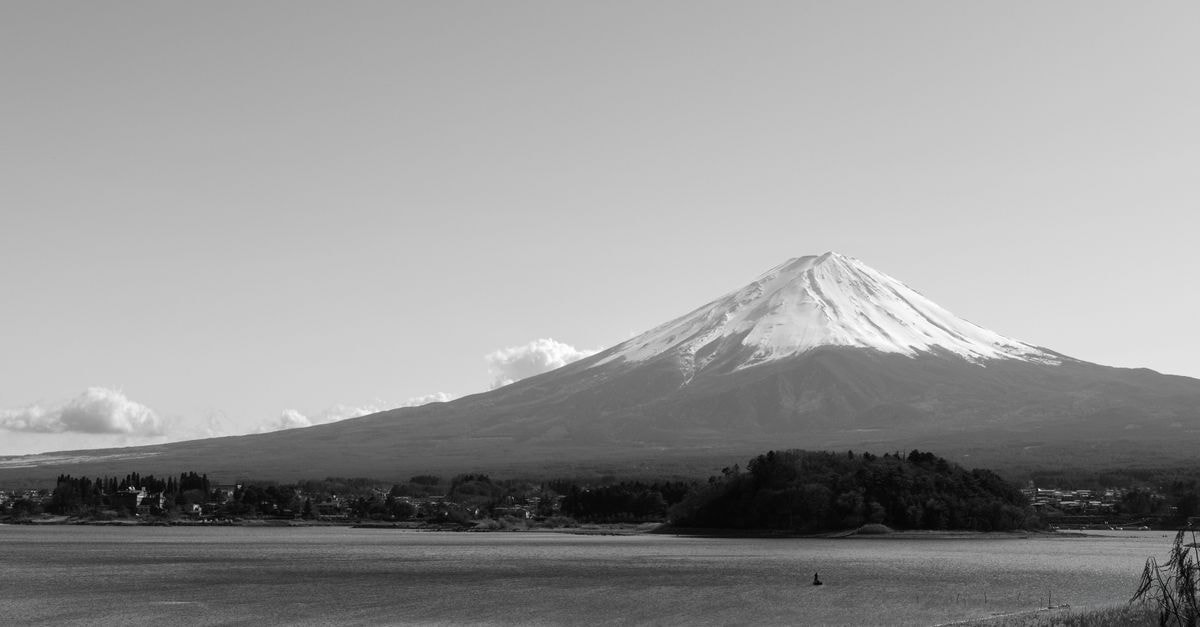
Kawaguchi at a glance

Sitting just across the river from eastern Tokyo, Kawaguchi in Saitama Prefecture has the easy rhythm of a commuter city that has learned to slow down between rush hours. It is the kind of place where you can step off a familiar train line, find a long lunch, wander a few blocks, and feel the pace of everyday Japan without the bustle of the capital. For travelers who like the idea of a Tokyo trip but crave quieter evenings and room to breathe, Kawaguchi offers a gentle alternative.
The city is shaped by its stations and the neighborhoods that have grown around them, and its identity leans into its industrial and commuter roots while quietly absorbing international influences. Think of it as a base for unhurried days: good transit, layered food, and the satisfaction of finding small corners that feel local rather than curated.
Weather and seasonal context
Kawaguchi's climate follows the wider patterns of the region, with warm summers and cool winters that shape how a day outdoors can feel. Because weather shifts year to year, it helps to check a current forecast close to your trip and plan a flexible pace. A light layer for air-conditioned restaurants and trains is almost always useful, and comfortable walking shoes make wandering between stations far more enjoyable.
If you prefer to avoid the hottest stretch of the year, the shoulder months often reward visitors with milder walking conditions and a softer light over the city. For a deeper seasonal picture, a dedicated Kawaguchi climate page can help you match your travel style to the time of year you have free.
Getting around
Kawaguchi is wonderfully easy to navigate once you understand its train rhythm. The **JR Keihin-Tohoku Line** runs north–south through Kawaguchi Station and acts as the spine of the city, connecting it smoothly into the wider rail network. If you enjoy building a day around train rides and short walks between stops, this kind of layout may suit you well, because the distances between points of interest tend to feel manageable rather than sprawling.
As a general transport philosophy, embracing the trains and buses tends to be the most convenient way to move through Kawaguchi. That approach works especially well if you prefer not to think about parking or one-way streets and instead like the simple pleasure of a station, a short stroll, and the next cup of coffee.
On the practical side, Kawaguchi reflects typical Japan-level safety. Violent crime is low, so wandering after dark tends to feel comfortable, though the usual care with bikes and road crossings at night is still worth keeping in mind, particularly on smaller residential streets.
Attractions and planning
Kawaguchi is a city that rewards a list-free approach. Rather than racing between headline sights, it invites a slower kind of discovery: a lunch spot near the station, a quiet neighborhood walk, a small shop you stumble into. Local experiences and attractions are spread across the map, and seeing them on a map view can help you group nearby stops into a relaxed loop rather than zigzagging across town.
If you are the type of traveler who prefers a base-and-wander style over a packed schedule, Kawaguchi tends to deliver. You can choose a station as your anchor for the day, drift outward in the morning, pause for a long meal, and let the afternoon shape itself around whatever catches your eye. The city also lends itself to short stays: a night or two is enough to feel oriented without the pressure of seeing everything.
For travelers who want a little more structure, looking at attractions, dining options, and stores together on a single platform can help you sketch a loose plan that still leaves space for spontaneity. Think of it as a menu rather than a checklist.
Food and local context
Kawaguchi's food scene tells the story of a working, commuter city that has welcomed many influences over the years. Its industrial and commuter role has shaped a culinary identity that draws from diverse Japanese traditions, so you will find familiar regional flavors presented in approachable, everyday settings. Lunch counters near the station, family-style restaurants, and small neighborhood spots are part of the texture here.
Around Nishi-Kawaguchi especially, the city's multicultural population has added layers of international cuisine, meaning you can move from a Japanese grill to a wholly different kitchen within a few stops. For travelers who enjoy tasting a neighborhood through its restaurants, this layering is part of Kawaguchi's quiet charm.
Within Japan more broadly, you will encounter a strong reverence for seasonal ingredients, careful presentation, and the rhythm of set meals and izakaya-style evenings. Visitors to Kawaguchi may come across these wider habits as part of everyday dining, from the way a lunch is served to the etiquette of ordering and sharing. It is the kind of context that makes each meal feel a little more meaningful once you start to notice it.
Choosing what fits your trip
If your idea of a good city break leans toward easy train hops and unhurried meals rather than a packed sightseeing list, Kawaguchi's commuter rhythm may feel just right. Travelers who enjoy mapping out a few neighborhoods and then letting the day unfold around a long lunch often find this kind of layout rewarding. On the other hand, if you prefer dense, walkable sightseeing districts where major sights sit within a single compact area, you may want to balance your time here with a day in central Tokyo, easily reached on the Keihin-Tohoku Line.
A note before you go
Factual travel details can change, so it is always wise to confirm current conditions, opening hours, and any local guidance through official channels before you set off. Rates, schedules, and neighborhood character may shift, and a quick check on the day can save you a small headache. Pack a little curiosity, keep your itinerary loose, and Kawaguchi tends to meet you halfway.
Share this article
TOOLS FOR THIS PLAN
Make the Kawaguchi plan measurable
Choose a tool only when it answers the next question in your trip. Your values stay in the browser, and each tool offers a route back to this planning context.