A slow introduction to Kibuye

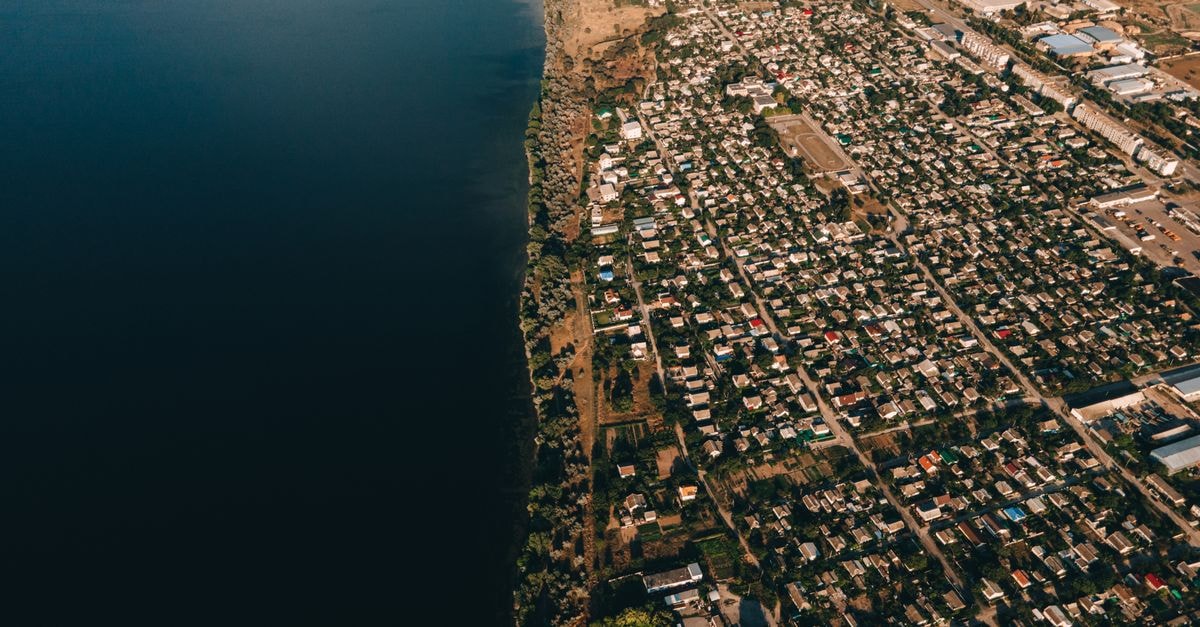
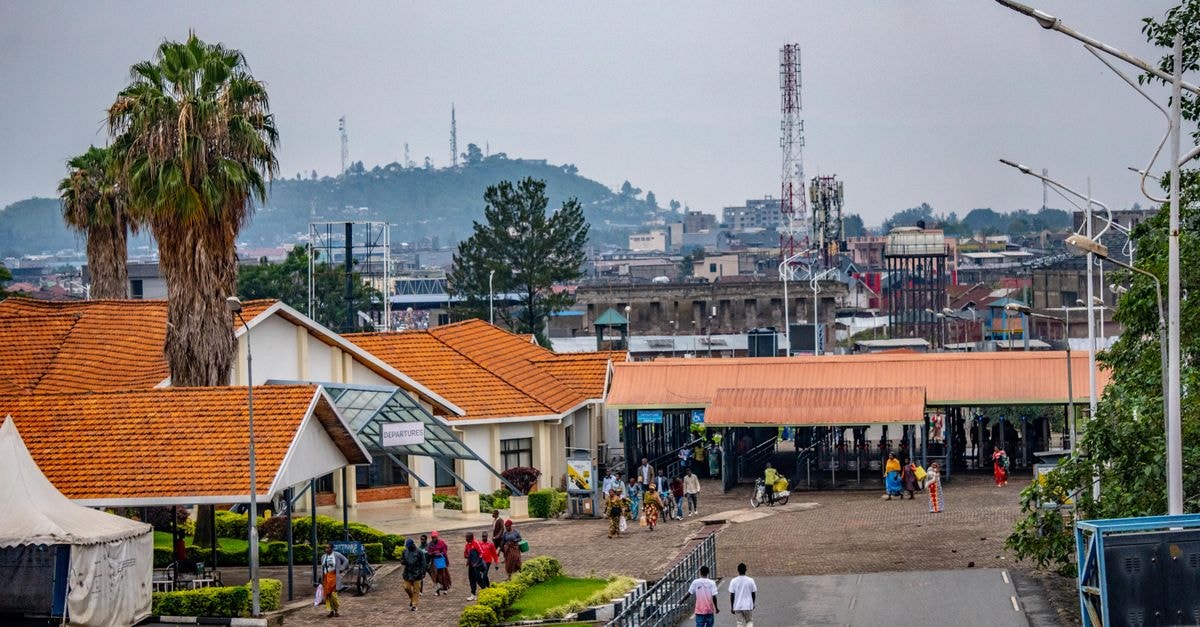
Kibuye sits along the western shore of Lake Kivu in Rwanda's Western Province, a small lakeside town where the rhythm of the day tends to settle into something quieter than in the country's bigger urban centers. The horizon opens wide over the water, hills roll down toward the shore, and the atmosphere often feels more like a pause than a checklist. For travelers who choose a destination for its mood as much as its monuments, that softer pace can be the reason to come in the first place.
This guide leans into the side of Kibuye that rewards unhurried time: the kind of visitor who would rather sit with a view for an hour than rush between headline sights. The factual material below is drawn from approved Rwanda sources and is intentionally narrow. Where a detail would need a live check before you could rely on it, it is left out rather than guessed.
Weather and seasonal context
The approved climate reference for Kibuye notes that during cloudy or rainy weather, the town has covered and cultural spaces that can turn an overcast day into something more enriching than a disappointing one. There is no specific temperature, rainfall figure, or month-by-month breakdown in the approved evidence, so this guide stays deliberately evergreen and avoids promising any particular conditions. Rain on Lake Kivu can move in quickly, and the lake-facing landscape can feel muted and gray under cloud, so visitors who prefer bright lake views and open-air wandering may find that pace of day worth thinking about. Travelers who enjoy reflective, indoor-leaning itineraries often lean into these conditions rather than fight them.
If a calm, indoor-anchored day appeals more than a sun-drenched boat ride, the same rainy spell becomes an opportunity rather than an obstacle. Either way, the practical takeaway is simple: build flexibility into a Kibuye day so weather can shape the plan instead of breaking it.
Attractions and planning
Kibuye's two most clearly documented places to visit are both quiet, reflective spaces rather than high-energy attractions, which sets the tone for the town.
The Genocide Memorial in Kibuye, located at Home Saint Jean, is one of the town's most significant landmarks. Memorials of this kind ask for a slower tempo: time to read, to sit with the exhibits, and to process before moving on. Visitors who travel to understand a place's history, not just photograph it, often find that pairing this stop with a calm evening by the lake suits the experience well. Because a memorial visit can be emotionally heavy, travelers who prefer to keep the day's heaviest stop in the morning may find that pacing works better for them.
The Environment Museum Kibuye rounds out the cultural side of a visit. The name suggests a focus on the surrounding landscape, lake, and ecosystem, which fits naturally with the wider Western Province setting. As with any small museum in a regional town, hours and current opening details are best confirmed locally before relying on them; this guide does not state a timetable that the approved sources do not provide. Travelers who like to anchor a town visit with one or two indoor stops tend to find this combination of memorial and museum a natural pair.
Food and local context
The approved sources do not list specific Kibuye restaurants, menus, prices, or signature dishes, so this section focuses on the wider Rwandan cultural context that visitors may encounter while in town rather than any city-specific claim about where or what to eat.
Across Rwanda, weaving and basketmaking remain living traditions. The traditional baskets and woven containers are still made and used today as practical storage for dry goods, including food and traditional medicines. For visitors, this often shows up not as a formal performance but as something woven into everyday life: a basket at a small shop, a container at a local stall, a craft item carried by someone walking past. Travelers who appreciate handmade goods and want a small, meaningful take-home often enjoy watching for these pieces. If you prefer to buy directly from makers rather than through intermediaries, asking about the origin of a basket before purchasing can be a natural way to engage.
Cultural heritage in Rwanda is also anchored in places such as the king's Palace and the Ethnographic Museum, which are documented in country-level sources as windows into the country's history and traditions. These sites sit outside Kibuye itself, so this guide does not present them as a Kibuye stop or a convenient day trip from town. They are mentioned here only as wider national context that a culturally curious visitor may already be aware of when planning a Rwanda itinerary.
Choosing what fits your trip
Because Kibuye's documented attractions are reflective rather than activity-packed, the town suits a particular kind of traveler. Someone drawn to lake horizons, small museums, and memorials rather than dense sightseeing schedules will likely feel at home here. A traveler who wants every day anchored by a long, busy list of stops may find that the town feels quieter than expected. The most useful framing is to treat Kibuye as a place for two or three meaningful anchors across a stay, with the lake and the weather setting the rest of the rhythm, rather than as a destination to race through. Visitors who value handmade craft and quiet cultural spaces over nightlife and high-energy tours tend to find the experience matches the setting.
A note before you go
Factual conditions in any destination can shift: opening hours for museums, access details at memorials, local transport availability, and on-the-ground services all change over time. Treat the points above as a starting frame rather than a final plan, and check current information through official Rwandan tourism channels, your accommodation, or local contacts before relying on any specific detail. Rates for any purchases are only a reference, and travelers should confirm the live rate at the time of exchange.
This guide intentionally leaves out anything the approved sources did not state directly, so where you see a gap, that gap is a prompt to verify locally rather than an absence to worry about. A short message to your guesthouse or a quick check with a local guide is often the most efficient way to close those loops.
Prices, opening hours, schedules, reservation rules, and local conditions can change; verify them through official channels before departure.
Share this article
TOOLS FOR THIS PLAN
Make the Kibuye plan measurable
Choose a tool only when it answers the next question in your trip. Your values stay in the browser, and each tool offers a route back to this planning context.