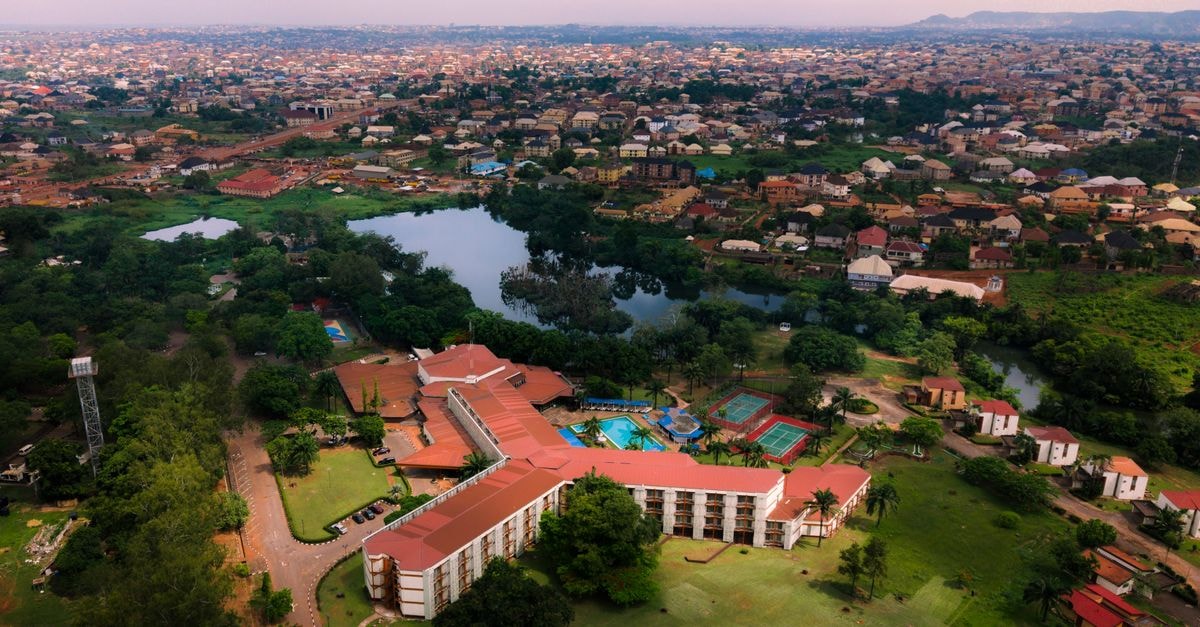
A river town with its own rhythm

The Kwilu itself is more than scenery here. Kikwit stands at the furthest navigable point on the river, which gives the city a particular role as a place where goods and people move between upstream communities and the rest of the country. Travelers who arrive with a sense of curiosity about that flow, rather than a checklist of attractions, tend to settle into the city quickly.
Language, money, and small daily habits
Two practical habits will make a visit feel smoother. French is the working language of administration and most public-facing services across the country, so a few basic French phrases carry you a long way. Pairing that with a handful of greetings in Kikongo, which is widely heard in the southwest, opens a few more doors and tends to draw warm responses from people you meet. Even a short "mbote" and a polite "natendi" go a long way at a market stall or a shared taxi window.
A second habit worth building in is patience with infrastructure. Electricity supply can be intermittent, and that is part of daily life rather than a problem to fix. Travelers who carry a reliable power bank, who keep a small flashlight in their day bag, and who plan to charge devices during a known window of supply tend to find the rhythm easy to match. Charging at the place you are staying, in the evening, is often the most predictable approach.
Where to base yourself in the city
For visitors who want to be close to the everyday pulse of Kikwit, the City Center is the most convenient neighborhood to stay in. It is where the commercial and administrative life of the city concentrates, and being within walking distance of the central streets means that many of the small daily experiences of Kikwit, from morning coffee to evening walks, are right outside the door.
Staying central also shortens the gaps between the places you will actually visit, which matters in a city where moving around can take longer than expected. Travelers who prefer quieter surroundings sometimes base themselves a short distance from the center and treat the trip in as part of the day, but the City Center remains the most practical anchor if you want to be on foot for most of your time in Kikwit.
Moving around the city and along the river
Among the city's recognizable landmarks, the Pont Kwilu stands out. It is the kind of structure that draws the eye and the camera, and it also serves as a natural waypoint for understanding how the river and the town relate. Standing on or near the bridge gives a quick sense of why Kikwit's identity is so closely tied to the water and to the flow of the Kwilu as it reaches the furthest point of navigation.
Pacing yourself on the ground
Kikwit's climate, like much of the southwest of the country, can feel humid and warm through much of the year, and the rhythm of the day often follows the shade. Many visitors find that early mornings and the cooler stretch later in the day are the most comfortable windows for being out on foot, while the middle of the day is a natural pause. That does not mean hiding indoors; it means a slower lunch, a quiet hour, and a return to the streets when the air softens.
A short checklist before you go
A few small things tend to make a trip to Kikwit feel easier once you are there. Keep a power bank in your day bag, treat electricity as a resource to be managed, and charge devices when supply is steady. Learn a few words in both French and Kikongo. Plan to base yourself in the City Center if you want to walk to most of what you will see. Allow more time than you think you need to move between places, especially anywhere that involves the river.
A note on changing conditions
Factual travel conditions in and around Kikwit can change, from road and river connections to local services and security guidance. Treat everything in this guide as a starting point, and check official channels and up-to-date traveler advisories from your own government before departure, and again on arrival, so that your plans reflect the current situation on the ground.
Share this article
TOOLS FOR THIS PLAN
Make the Kikwit plan measurable
Choose a tool only when it answers the next question in your trip. Your values stay in the browser, and each tool offers a route back to this planning context.