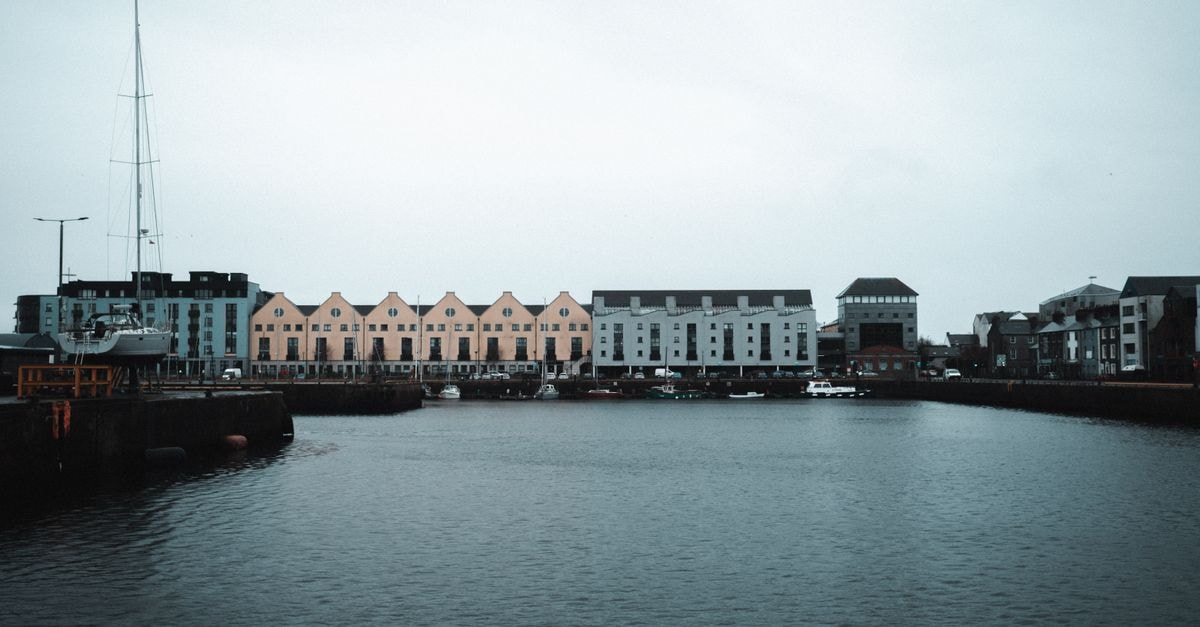
Why Visit Killarney in July

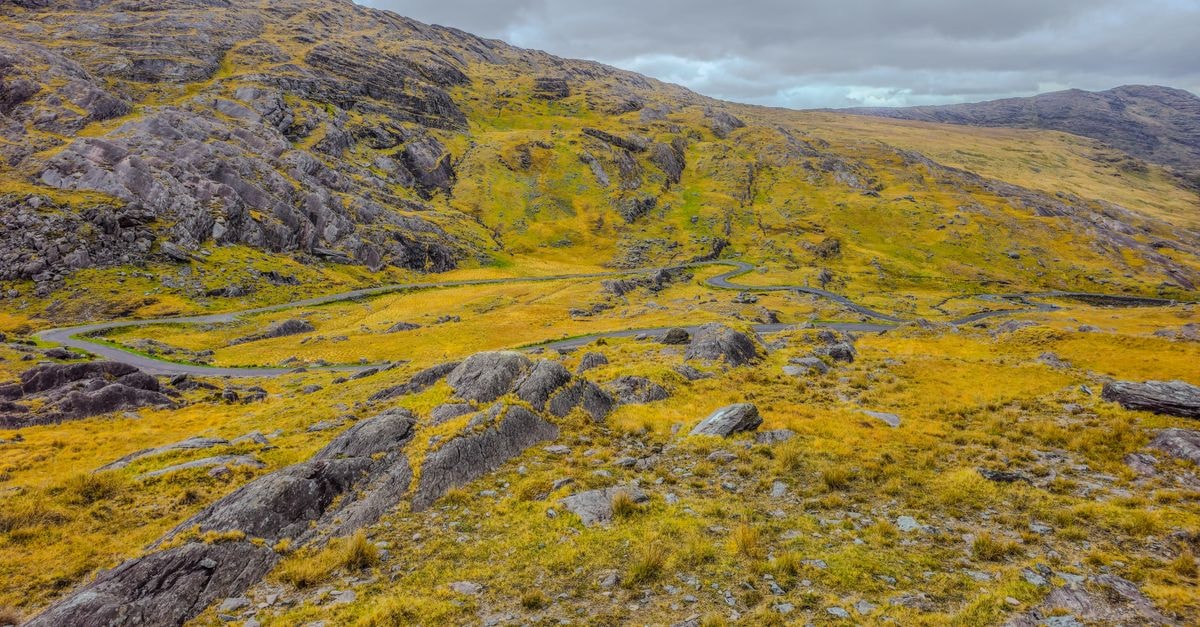
Killarney is a compact market town in County Kerry that has been welcoming visitors for more than 250 years, and in midsummer it hums with the energy that comes from being the gateway to two of Ireland's signature experiences: the 26,000-acre Killarney National Park and the 179 km Ring of Kerry coastal drive. The town itself sits inside a UNESCO Biosphere Reserve, framed by the MacGillycuddy's Reeks (Ireland's highest mountains) and three lakes whose dark blue waters reflect the peaks above. In July the long daylight hours let you squeeze a full day of hiking, a boat trip on Lough Leane and an evening trad session into a single stretch, which is exactly why so many travelers time their Kerry itineraries to this month.
Weather in Killarney in July
July is one of the warmest and driest months of the year here, but "warm" is Irish-warm rather than Mediterranean. Two independent readings give a useful spread:
- Climate-data.org's climate table for Killarney records a July average of 14.9°C (58.7°F), a July maximum of 17.8°C (64.1°F) and a July minimum of 11.9°C (53.4°F), with average precipitation of 103 mm (4.1 in). - Author Keith O'Hara, drawing on long-term figures from the Irish Meteorological Service and UK Met Office, puts the Kerry average temperature at about 15.5°C (59.9°F), with July highs typically reaching 19°C (66°F) and lows around 12°C (54°F), and a long-term rainfall figure close to 86.5 mm.
You can expect sunshine totals somewhere between three and six hours a day, with the brightest stretches generally mid-month. Rain is possible on any day, so a waterproof layer is essential even on the warmest afternoons. Late sunrise sits near 05:00 and sunset stretches close to 22:00, which gives you nearly eighteen hours of usable daylight for the park and the Ring of Kerry.
Getting to and Around Killarney
Killarney is well connected for a town of 14,000 people.
**By air.** The closest airport is Kerry Airport (Farranfore), about fifteen minutes' drive north of town. Ryanair flies twice daily from Dublin and seasonally from London Luton, London Stansted, Manchester, Berlin, Frankfurt-Hahn, Alicante and Faro. The airport sits 1 km east of Farranfore station, which sits on the Tralee–Killarney–Mallow rail line, so a train connection onward is straightforward. Many travelers also fly into Dublin or Shannon, both several hours' drive away.
**By train.** Irish Rail runs about seven or eight trains a day through Killarney's award-winning station, with direct or one-change services to Cork, Dublin Heuston (typically via Mallow, journey time around 3 hr 20 min), Limerick and Tralee.
**By bus.** Bus Éireann operates scheduled multi-time-per-day routes into the town. Dublin Coach service 300 leaves Dublin (Burgh Quay and Red Cow Luas) roughly every two hours via Limerick and Adare, reaching Killarney in about 4 hr 20 min. A separate Killarney–Dublin Airport service (flightlink.ie) runs five times a day in each direction.
**By road.** From Dublin, follow the M7 to Limerick, the N21 to Castleisland, and the N22/N23 into Killarney — roughly four hours.
**Getting around.** Once you are in town, the National Park begins almost at the edge of the centre, so you can walk or cycle to many trailheads. Bike hire is available in town. Jaunting cars (horse-drawn pony carts driven by jarveys) can be pre-booked or picked up at the HA-HA stand in the town centre. Hop-on/hop-off buses run seven days a week from mid-February to mid-December, with timed stops at Ross Castle, Torc Waterfall, Muckross House and Muckross Abbey.
Things to Do in and Around Killarney National Park
The park is the headline attraction and it is free to enter, with parking the main cost. Give it at least half a day, longer if you plan to walk to Torc Waterfall or hire a bike.
**Ross Castle.** A 15th-century tower house on the shore of Lough Leane, reachable on foot, by bike or by jaunting car. From here you can hire a boat across the lake to Inisfallen Island and its early monastery ruins.
**Muckross House and Gardens.** A 65-room Victorian mansion built in the 1840s, set inside the park a short drive south of town. The house is one of the most visited heritage sites in Ireland and is only accessible by guided tour; the gardens and surrounding estate are free to walk. Nearby Muckross Traditional Farms recreates 1930s and 1940s rural life with working buildings, animals and costumed guides, and the 15th-century Muckross Abbey ruin is a short walk further on.
**Torc Waterfall.** A 20-metre cascade about 7 km outside town on the N71, especially impressive after rain. From Torc, a short kilometre further brings you to Dinis Cottage and the Meeting of the Waters, where all three Killarney lakes converge.
**The Gap of Dunloe.** A narrow mountain pass between the Reeks and Purple Mountain, 11 km long and usually combined with a boat journey from Ross Castle through the lakes. You can also walk or cycle it, or take a jaunting car from the top down.
**The Ring of Kerry.** The 179 km circular drive starts and ends in Killarney. By car it takes a full day; tour buses run anti-clockwise to avoid meeting on the narrow lanes around Coomakista Pass. Independent travelers starting from Killarney often go clockwise instead.
**Viewpoints.** Ladies View (about 19 km out on the N71 towards Kenmare) and Aghadoe Heights are the classic photographic stops, and the top of the Gap of Dunloe is a favourite with photographers.
July is also when Fitzgerald Stadium, Killarney's GAA ground, hosts championship matches — the hop-on/hop-off operator has already flagged a major Round 3 fixture in late June 2026, and the pattern of big summer match days continues through July. If you plan to be in town on a match day, expect extra traffic and book any tours and restaurants around kick-off.
Where to Stay and July Booking Pressure
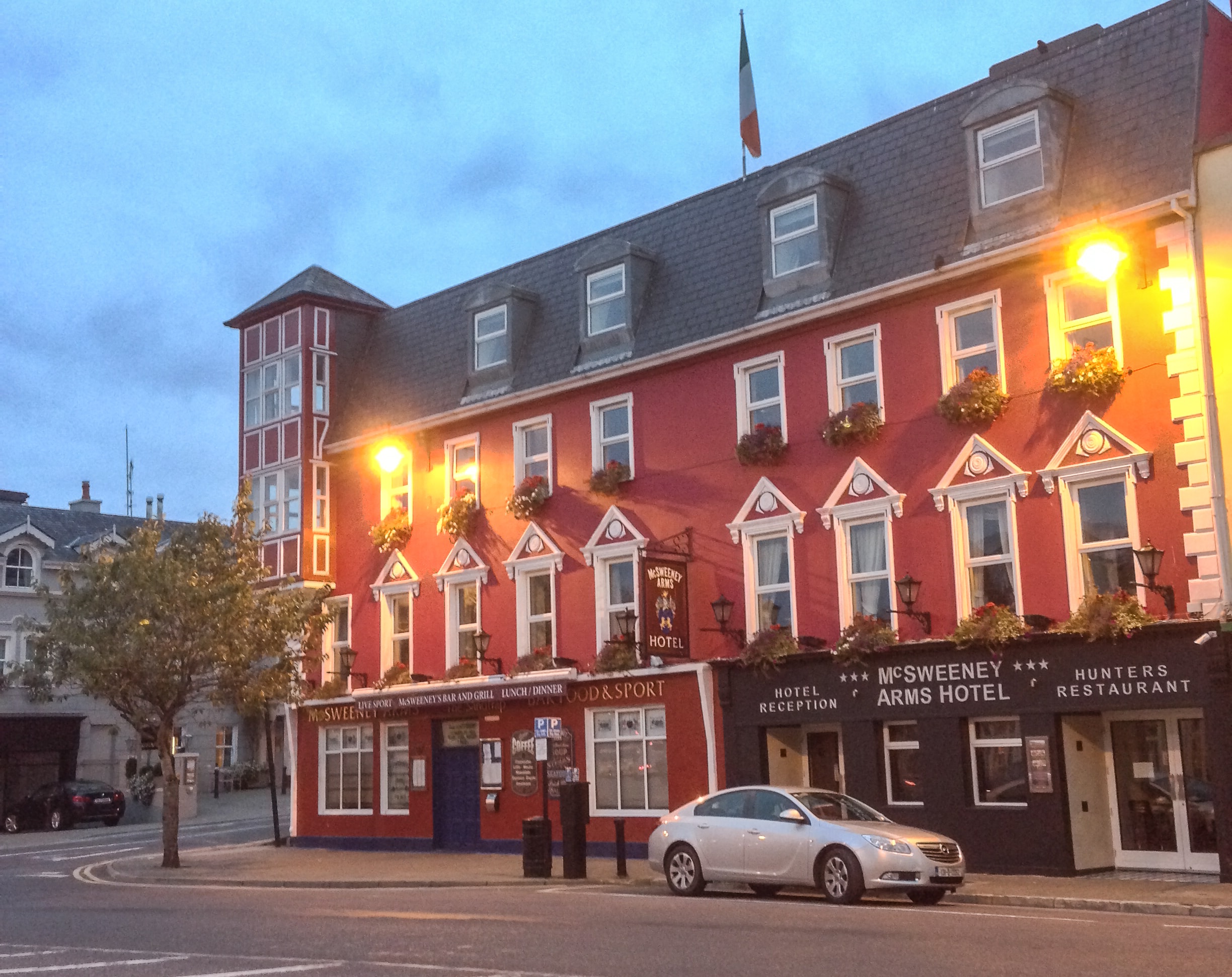
July sits inside Ireland's peak tourist season, which the sources describe as running from June through early September. Rick Steves notes that "everything (accommodations, major sights, quality restaurants, experiences) can book up well in advance — it's wise to reserve far ahead for anything you'd like to do," and Keith O'Hara reinforces that summer is when "accommodation and flight prices are at their peak." The implication for Killarney specifically is that you should lock in hotels, restaurants, the jaunting car and any park tours as far ahead as you can — at minimum several weeks, and more if you are travelling over a weekend or around a major fixture or festival.
The town centre is small and busy in midsummer, particularly on summer weekends, so the National Park (which absorbs crowds well once you are past the main car parks) often feels more relaxed than the high street. If you are driving a large vehicle, sources note that finding a parking space in the centre can be awkward; staying slightly outside town and taking a taxi in for the evening is a sensible workaround.
Food and Dining in Killarney
Killarney punches well above its weight for food, leaning on Kerry lamb, Atlantic seafood, farmhouse cheeses and seasonal vegetables. A useful local summary of what the region does well lists seafood (daily fish, mussels, crab, chowder), Kerry lamb or beef with simple vegetables, vegetarian and seasonal risottos, and Irish desserts such as sticky toffee pudding or panna cotta.
Two practical dining references in the evidence ledger:
- **Killarney Dine Around**, run by the O'Donoghue Ring Collection, packages a multi-venue stay across four of its restaurants — The Tan Yard (refined three-course dining with park views), Café du Parc (urban-style small and large plates with a signature cocktail), O'Donoghue Public House (traditional Irish food with live music) and The Kenmare Rooms (three-course Irish classics with wine or beer and live music). It is designed for guests staying at the collection's hotels. - **Fiadh Restaurant at the Gleneagle Killarney** runs a "Taste of Kerry Experience" built around Executive Chef John Drummond's modern-Irish menu, drawing seafood from the Dingle coast and meats and produce from nearby farms. A two-night package including one gourmet dinner and breakfasts is available, with pricing details available from the hotel.
For broader context on traditional Irish food, the most useful dishes to look for in Killarney pubs include Irish stew, seafood chowder, fish and chips, beef and Guinness stew, and brown bread with butter. In peak months and on weekends it is worth reserving a 7–8 pm table a few days ahead; pubs typically keep space for walk-ins, especially earlier or later in the evening.
Tickets, Reservations and Practical Tips
- **Muckross House** is guided-tour only inside the house; gardens and grounds are free to walk. Book the house tour ahead in July. - **Hop-on/hop-off bus** tickets are valid all day across any of the scheduled tour times; the bus runs seven days a week from mid-February to mid-December, and on big match days at Fitzgerald Stadium the operator shortens or cancels late tours, so check the live schedule the morning of travel. - **Jaunting cars** can be pre-booked or hired on the day at the town-centre HA-HA stand, but booking ahead in July avoids disappointment. - **Boat hire at Ross Castle** for trips to Inisfallen Island fills up on sunny weekends. - **Ring of Kerry tours** and Gap of Dunloe combinations sell out in peak season — book at least a week ahead. - **Restaurants** in central Killarney book up fast for 7–8 pm, particularly on weekend evenings; reserve when you confirm your hotel. - **Currency.** Ireland uses the euro (EUR). Card is accepted almost everywhere, but keep a small amount of cash for smaller pubs, market stalls, parish-gate collections and any spotty-signal rural stops. - **Connectivity and language.** English is spoken everywhere, the local timezone is Dublin time (GMT+1 in summer, with daylight saving), and Wi-Fi is widely available. The plug type is the British-style three-pin (Type G).
Safety and Final Planning Notes
Killarney scores very highly on safety in the destination data reviewed, and the main risks in midsummer are weather-related rather than crime-related: sudden rain, midge bites near the lakes in the evening, and traffic around the GAA stadium on big match days. Carry a waterproof, leave extra time on tour-bus days, and keep an eye on the live hop-on/hop-off schedule if a championship fixture is on. The single emergency number is 112 (or 999), and the Killarney Tourist Information Centre on Beech Street is open daily 9:00–17:00.
Conditions can change between booking and travel: tour timetables, festival calendars, match schedules, opening hours and weather forecasts are all updated during the year. Confirm tickets, restaurant reservations, transport times and any July-specific events through the official operator or Irish Rail / Bus Éireann / Kerry Airport websites before you set off.
Prices, opening hours, schedules, reservation rules, and local conditions can change; verify them through official channels before departure.
Exchange rates shown are for reference only; check the current live exchange rate before departure.
Share this article
TOOLS FOR THIS PLAN
Make the Killarney plan measurable
Choose a tool only when it answers the next question in your trip. Your values stay in the browser, and each tool offers a route back to this planning context.