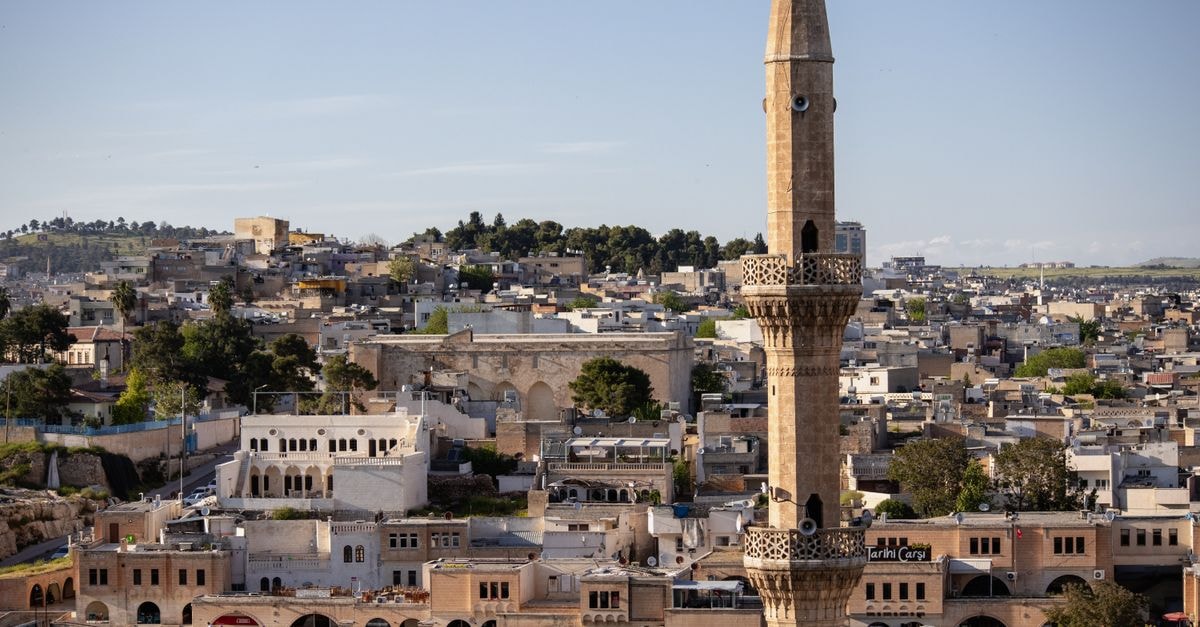
Setting the scene in Kismayo

There's a particular kind of hush that settles over a coastal Somali city in the early hours, before the day fully opens its eyes. Kismayo, the main urban center of the Lower Juba region in Jubaland, carries that feeling easily. It sits on Somalia's southern shoreline where the Indian Ocean meets a long stretch of soft beach and a city shaped by trade, migration and reinvention. For a traveler arriving with curiosity rather than a checklist, the appeal is precisely that quiet: a port city with deep historic roots, a beach culture that locals know intimately, and a food tradition that draws on Somali, Arab and Italian influences at once.
This guide focuses on what can be reliably said about visiting Kismayo from the available evidence. It is meant to frame your expectations honestly and to point you toward the textures that make the city what it is, rather than to promise specific bookings, menus or itineraries that the underlying sources cannot confirm.
Getting around
The most useful orientation point for movement in Kismayo is Airport Road, which links Kismayo International Airport to the urban core and supports both local and international travel. In practical terms, that single corridor matters because it tells you how the city is laid out: the airport is one anchor, the town center is the other, and the road between them is the spine that most arrivals will use first. For travelers, the takeaway is simple — once you've made the Airport Road run, you're already inside the city rather than at its edge, and subsequent local movement can be planned from a known reference point rather than guessed at from a map.
Because the available evidence speaks only to Airport Road and the central relationship it creates, it isn't possible here to detail specific taxi routines, bus networks, ride-hailing apps or inter-district connections. Treat Airport Road as your geographic anchor and arrange onward movement locally once you've had a chance to ask recent, on-the-ground advice.
Attractions and the beach scene
Beyond the beaches, general visitor literature describes a wider set of attractions in and around Kismayo — framed locally as a list of top places to visit, with general introductory information alongside the specific recommendations. The honest framing here is that the available sources gesture at a fuller attractions picture without spelling out every individual site, so a traveler with time to explore should treat the beach scene as the most firmly documented experience and stay open to additional local recommendations once on the ground.
A practical approach is to begin with the coast, give yourself enough time on the sand to sense the city's rhythm, and then ask locally about other points of interest. Kismayo is the kind of place where a short conversation can redirect a day more meaningfully than a guidebook can.
Food and the everyday table
Eating in Kismayo tends to happen in small, informal spaces rather than in large, established restaurant chains. The available evidence points specifically to small open-air restaurants and tea shops as venues that provide authentic local experiences, which sets the tone: meals here are often as much about the setting — a shaded corner, a shared table, a kettle on the coals — as about the dish itself. Tea, in particular, tends to function as a social anchor as much as a beverage, and pausing for one is a natural way to slow down and watch the street.
Kismayo's culinary landscape is described as a fusion of traditional Somali, Arab and Italian influences, which reflects the city's port history and its position along long-running trade and migration routes. Rather than a single dominant cuisine, expect a layered food culture where ingredients and techniques from very different traditions coexist on the same stretch of coast. The clearest named regional dish in the evidence is Surbiyaan, a preparation of rice with spices and meat that is described as typical of the Kismayo region. That single mention is more useful than a long speculative list: it tells you there is a regional rice dish worth seeking out by name, and that asking for Surbiyaan is a reasonable way to begin a conversation with whoever is cooking.
Staying grounded in what the evidence supports
It's worth being explicit about what this guide does and does not attempt. There is no confirmed pricing for accommodation, meals or transport here, no verified opening hours for specific attractions, and no detailed timetable for Airport Road or any other route. Where a detail would normally matter — a budget figure, a daily schedule, a confirmed reservation — this guide deliberately leaves space for you to verify on the ground rather than guess in advance.
Factual travel conditions can change. Before departure, check official channels for the latest information on access, safety, and any entry requirements, and treat the framing here as a starting point rather than a final word.
Verification note
This article is based on a curated set of approved sources covering Kismayo's transport, attractions and food scene. Specific prices, opening hours, schedules and current conditions were not stated in the underlying sources and have therefore been intentionally omitted rather than guessed. Readers are advised to confirm practical details with local contacts or official channels before relying on them.
Share this article
TOOLS FOR THIS PLAN
Make the Kismayo plan measurable
Choose a tool only when it answers the next question in your trip. Your values stay in the browser, and each tool offers a route back to this planning context.