A first look at Kočani

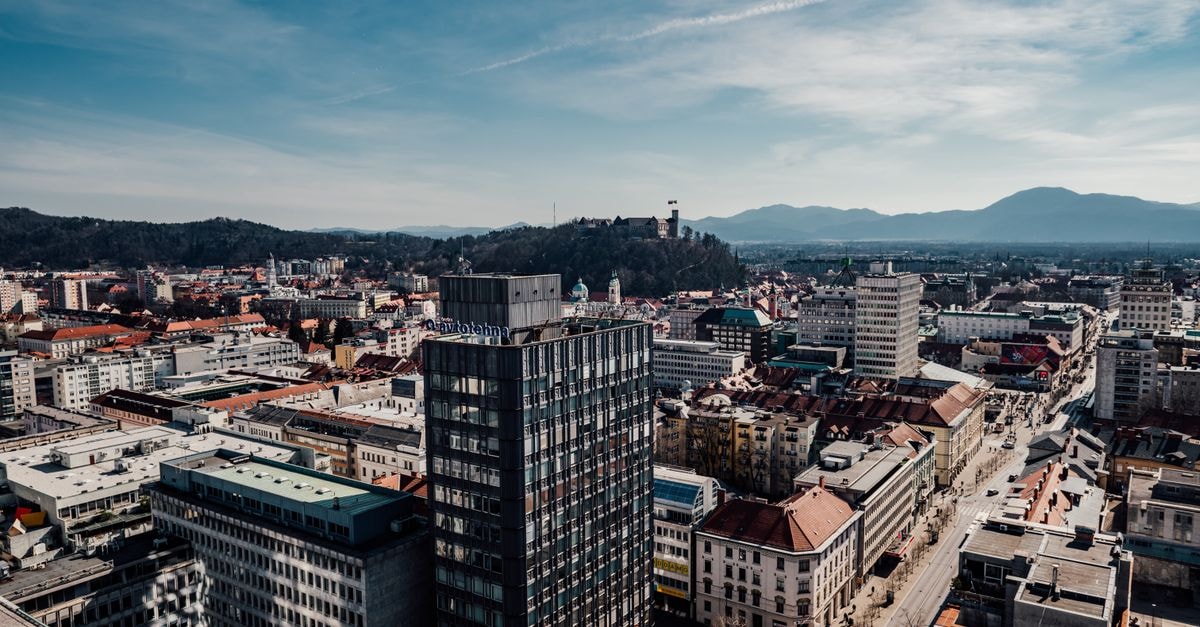
Tucked into the eastern part of North Macedonia, Kočani has the relaxed pace of a town that lives close to its agricultural rhythm. Travelers who arrive here are often looking for something quieter than the headline cities of the Balkans: a place where historic streets, surrounding villages and food traditions sit within easy reach of each other. The town sits roughly 120 kilometers east of Skopje, positioned along the M-5 corridor that links Ohrid, Bitola, Prilep, Veles, Štip and Kočani, which makes it a natural stop on a longer east-west journey through the country. If you prefer slow travel with a strong sense of place, Kočani offers a gentle, grounded base.
Attractions and planning
Kočani's compact center rewards unhurried exploration rather than a checklist of sights. The main church of the city, completed in 1917, stands as a recognizable landmark in the urban fabric; visitors interested in ecclesiastical architecture and local history may find it worth pausing for. For travelers drawn to deeper history, archaeological excavations in the area have also uncovered a church dating from the 5th century with a tomb at its center, offering a quiet reminder that this corner of the country has been lived on for many centuries. Seeing the contemporary church and seeking out information about the older excavation site can suit visitors who enjoy layering a modern town visit with a sense of antiquity.
Village walks, rice and craft traditions
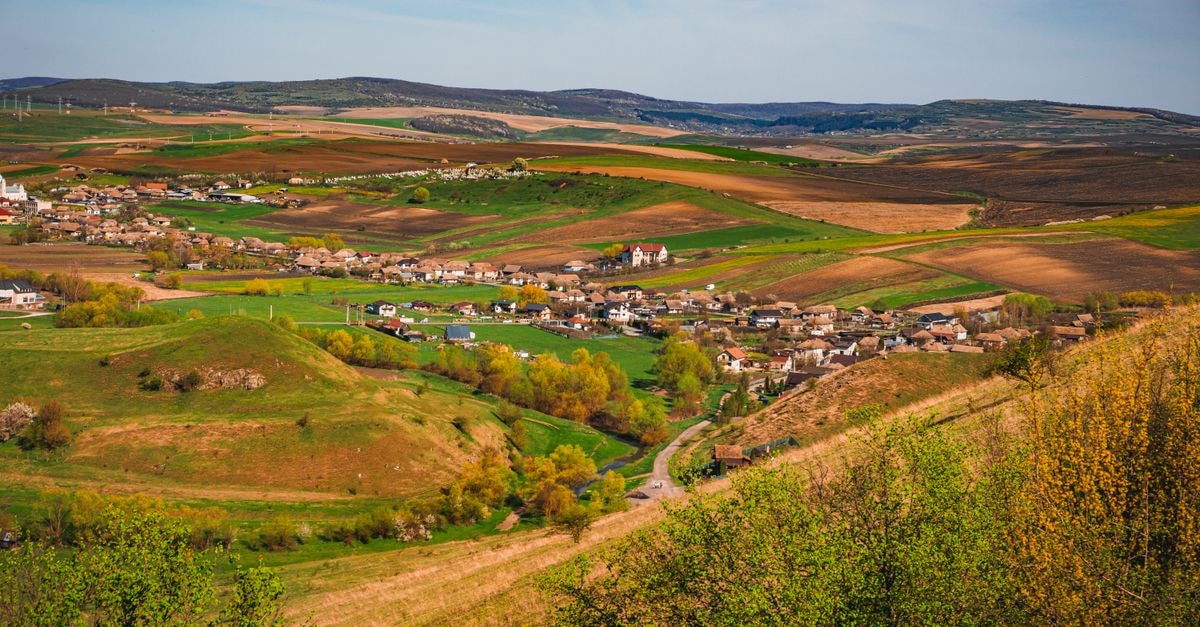
Beyond the town itself, the surrounding countryside is where Kočani's identity really comes through. The Kočani region is famously associated with rice cultivation, and visitors interested in agricultural traditions will find that the rural landscape is a defining part of any visit. A short drive out of town opens up a slower kind of sightseeing: walking paths past fields, quiet lanes between farmhouses and stops at small villages where life still moves with the seasons.
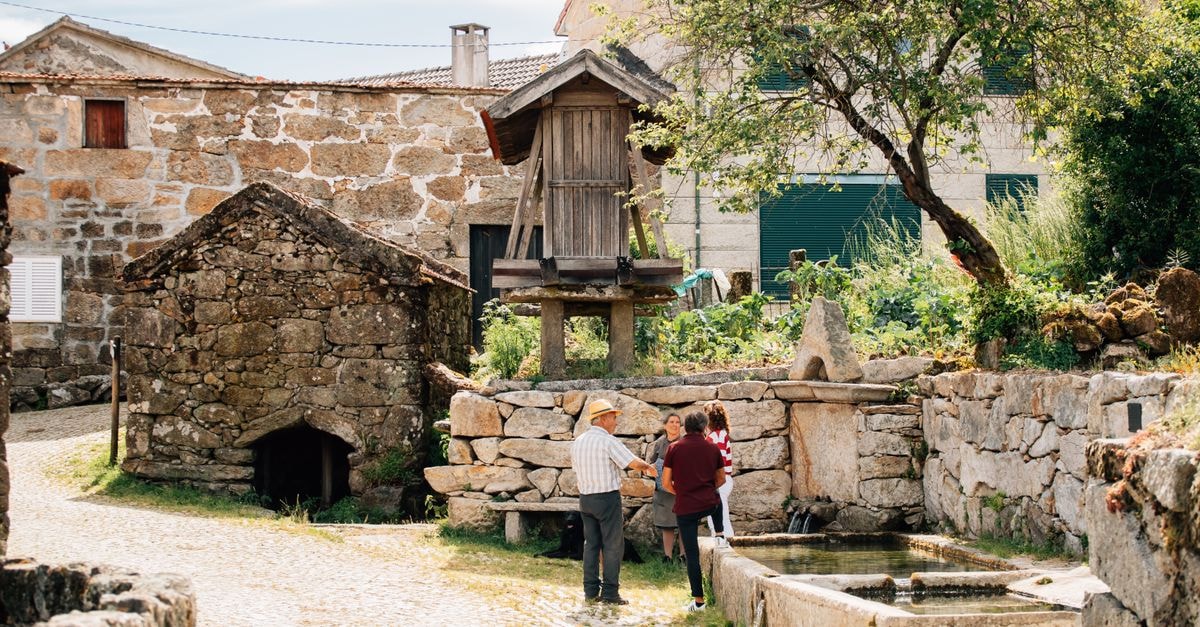
Guided experiences in the area commonly include a relaxed village walk with time for photos, browsing local crafts and soaking in the authentic village atmosphere over a coffee or tea. If you enjoy bringing home handmade mementos rather than mass-produced souvenirs, this kind of stop can be a highlight. Travelers who prefer to travel lightly without a packed schedule may find that one guided village visit strikes the right balance between insight and ease.
Food and local context
Food is one of the most natural entry points into Kočani culture. Traditional lunch experiences in and around the town often feature local specialties, with Kočani rice sitting at the center of the table. Rice grown in the surrounding fields has long been tied to the identity of this region, and a meal built around it offers visitors a tangible connection to the landscape they have just walked through. For travelers who want their food to feel rooted in place rather than generic, prioritizing a meal that includes local rice can turn an ordinary lunch into a memorable part of the trip.
A final note before you go
Because schedules, opening hours, tour availability, menu offerings and prices in Kočani can shift with the season and with individual operators, it is wise to confirm details with local hosts, visitor information points or official sources shortly before you travel. Treat the notes in this guide as a starting framework for your planning rather than a fixed timetable, and leave room for the kind of unhurried discovery that this eastern Macedonian town is best known for.
Share this article
TOOLS FOR THIS PLAN
Make the Kočani plan measurable
Choose a tool only when it answers the next question in your trip. Your values stay in the browser, and each tool offers a route back to this planning context.