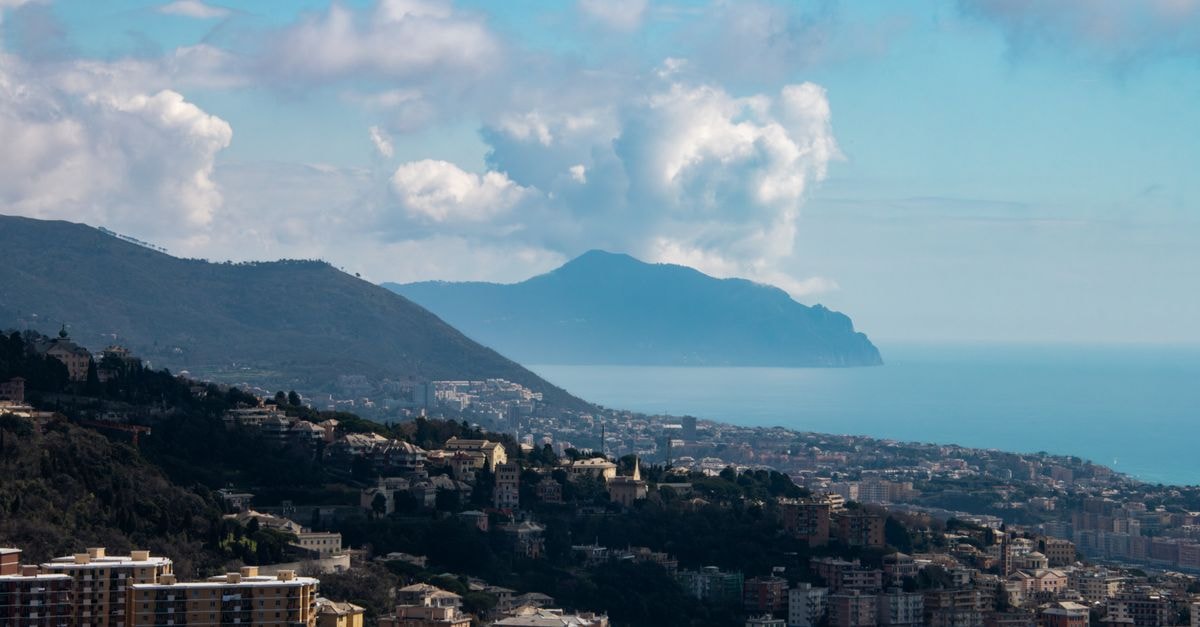
Kokkola sits on the western coast of Finland, where the city meets a wide stretch of shoreline and scattered archipelago. It is the kind of place that rewards unhurried travellers: short walks from a quiet centre out to the water, a transport network small enough to learn in an afternoon, and a local rhythm that leans outdoors into its pretty spring and mild summer months. This Kokkola travel guide focuses on what is genuinely useful on the ground, from the public buses that knit the city together to the coastal pockets where you can pause, breathe, and watch the Baltic light shift.

Getting around the city and the coast
The Kokkola public transport network, run as BYSSE, is built for the scale of the city itself. It connects the centre with the surrounding neighbourhoods and the more peripheral residential areas, which means a visitor who knows their line number rarely needs a car for ordinary exploring. Five main lines, numbered 1 through 5, form the everyday spine of the system, and four basic connections, numbered 16 through 19, fill in shorter or more local links. Travellers who prefer to figure out a place on foot before committing to a route often use a main line to bridge the gap between the centre and the coast, then walk the last stretch.
Beyond the bus network, the most appealing way to read Kokkola's geography is at water level. The coast and archipelago offer several quiet pearls, whether you reach them by boat, by canoe, or by walking the shorelines on foot. For visitors who enjoy planning their day around a single landscape, this layering of bus, boat, and trail makes it possible to shape a morning around the city and an afternoon around the sea without much friction. The Meripuisto park area, set near the water, works especially well as a gentle pause between these two halves of the day. It is described locally as an ideal picnic spot for the whole family, with open lawns and a view that encourages sitting still rather than rushing on to the next stop. Travellers who like to break up a day of moving around with a long, unhurried lunch outdoors may want to anchor one meal here.
If you prefer a more structured day, consider pairing a short ride on one of the numbered main lines out toward the coast with a return walk along the shoreline. The coast and archipelago are where the city's strongest impressions tend to form, and using public transport to reach the right starting point saves energy for the walking itself.
Sea air and shoreline time
Kokkola's identity is shaped by the sea. The archipelago that fans out from the coast offers a different texture than the city centre, with open water, low islands, and the kind of horizon that makes a short visit feel longer. Some travellers come specifically for this, planning their days around the rhythms of boats and ferries; others discover it only when they wander toward the water and find themselves reluctant to turn back. Either approach works.
The Meripuisto park area is a useful reference for this softer side of Kokkola. It functions as a green, open pocket close enough to the centre to combine easily with a morning of urban walking, and it offers the kind of picnic setting that suits travellers who would rather buy local food and eat outdoors than sit down in a restaurant for every meal. Travellers who dislike long stretches without somewhere to rest may want to plan a route that passes through Meripuisto before continuing along the coast.
For those drawn to the archipelago itself, the same coastal landscape that frames Meripuisto opens up into a wider network of islands and inlets. Boats and canoes are the natural way in, and the shoreline trails give walkers a slower alternative. The coast and archipelago tend to feel calmest in the earlier hours of the day, when light is soft and the water carries fewer sounds, which is worth keeping in mind if quiet matters to you.
Sport and the everyday pulse of Kokkola
It is hard to spend time in Kokkola without noticing how present sport is in the city's daily life. Locals will tell you, with some pride, that almost everyone here plays or engages in sports, or cheers and roots for a sports club. This is less a recommendation than a useful piece of context: the city's social rhythm, its weekend atmosphere, and many of its conversations orbit around local teams and seasonal fixtures. Visitors who arrive during a match weekend will feel the difference immediately, while those who come during a quieter stretch will simply notice the sportswear, the club colours, and the small talk in cafés.
For travellers, this matters in two practical ways. First, it shapes when the city feels busiest. Match days and club events draw crowds to particular neighbourhoods and venues, so a traveller who prefers calmer streets may want to check what is on locally before heading out. Second, it offers an easy way to connect with the city. Even a brief visit to a local sports venue, a short walk past a clubhouse, or a casual chat with someone in a team jersey can open conversations that go deeper than the usual small talk. Travellers who like to experience a place through its everyday rituals rather than its headline sights often find this dimension of Kokkola more rewarding than expected.
Choosing what fits your trip
A few tradeoffs tend to shape how a Kokkola visit feels. Travellers who prefer to cover ground quickly may want to lean on the five main bus lines (1–5) to bridge longer distances, then save energy for a single coastal walk or a slow afternoon in the Meripuisto park area rather than trying to combine both on the same day. Travellers who prefer to feel the pace of a place often skip some of those bus rides entirely, walk the shoreline from the centre outward, and use the basic connections (16–19) only when a route genuinely demands them.
Sport culture is another small but real variable. If you enjoy being part of a city's weekend rhythm, look for what is being played locally and plan around it. If you prefer quieter streets, ask a local or your accommodation which days tend to be calmer. The archipelago, finally, rewards travellers who set aside half a day rather than trying to slot it into a busy morning; the coast and archipelago reveal themselves at a slower pace, by boat, by canoe, or simply along the shoreline on foot.
Practical notes before you go
A few small details are easy to sort out before arriving. The BYSSE network covers the city centre, the surrounding neighbourhoods, and the peripheral areas, with five main lines (1–5) and four basic connections (16–19), so a short look at a current route map on arrival is usually enough to feel oriented. The Meripuisto park area near the coast is a natural anchor for an outdoor lunch, and the coast and archipelago are accessible by boat, canoe, or shoreline walks.
Factual travel conditions can change at any time. Routes, schedules, opening details, and local services may be updated by the operators and the city, so it is worth checking official channels for the latest information before you travel and again on the day.
A quick verification to keep in mind
Are you planning to base yourself closer to the centre or nearer the coast? That single choice will shape whether you use the main lines (1–5) most days, rely on the basic connections (16–19), or walk the shoreline between Meripuisto and the centre.
Share this article
TOOLS FOR THIS PLAN
Make the Kokkola plan measurable
Choose a tool only when it answers the next question in your trip. Your values stay in the browser, and each tool offers a route back to this planning context.