A city shaped by dynasties, spices, and quiet pride

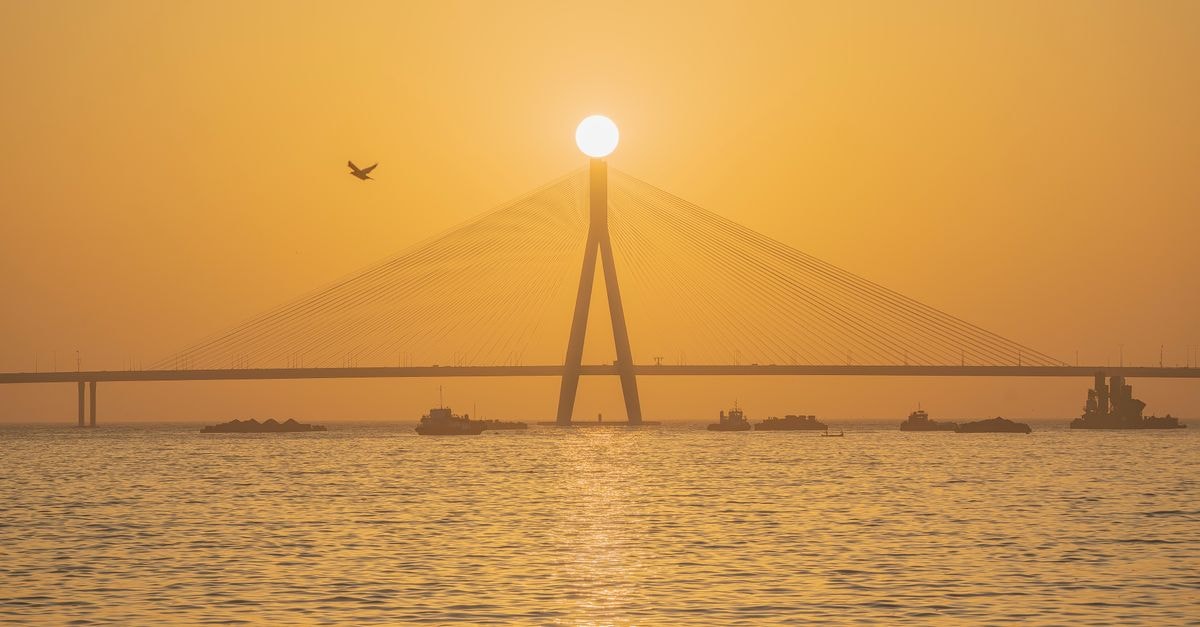
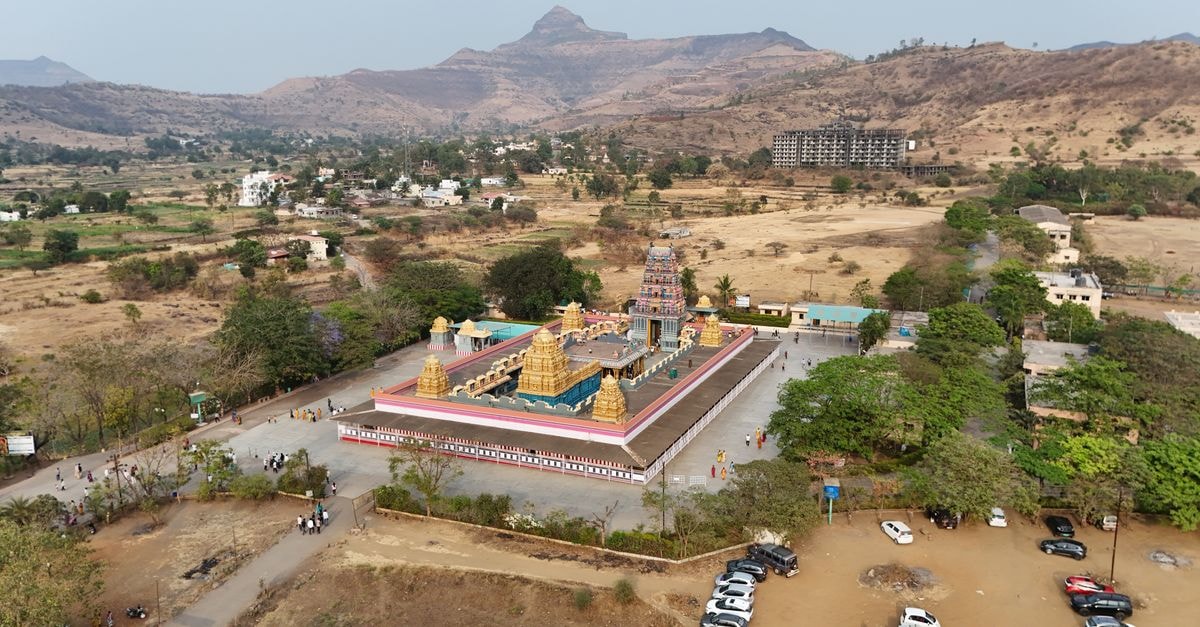
Kolhapur carries the kind of history that doesn't need to be announced. Generations of dynasties and empires have left a mark here, and the city still leans into that sense of heritage rather than burying it under glass towers (F4-1, F4-2). Walking through Kolhapur, you feel the texture of that legacy in the architecture, the museum culture, and the way food is treated almost as ceremony. It's a place where royal Maharashtrian history meets everyday life, and where travelers who like substance over spectacle tend to feel at home.
Weather and seasonal context
Kolhapur tends to sit in a warm, humid range for much of the year, with daytime readings often around 29°C (84°F) and evenings cooling to roughly 22°C (72°F) (F1-1, F1-2). That warmth tends to make early mornings and late afternoons the gentlest windows for exploring on foot, especially around open-air sites where shade is limited. Light, breathable clothing is a sensible default, and pacing the day around the cooler hours tends to suit travelers who want to linger at outdoor heritage spots without feeling drained.
Getting around
Reaching Kolhapur by air usually means flying into one of two airports depending on your route. Kolhapur Airport (KLH) is a regional airport about 9 km from the city centre, which makes it a convenient option if you find a direct connection (F3-2). Pune's Lohegaon Airport sits further out at roughly 250 km from the city, and travelers arriving there typically continue by road, picking up a bus or taxi near the airport (F2-2).
By road, Kolhapur connects to nearby cities like Belgaum (about 90 km, around 2 hours) and Goa/Panaji (about 230 km, roughly 5 hours via the ghat roads), and overland journeys from Mumbai and Pune are common in this part of Maharashtra (F3-1). The same source frames October to March as a generally comfortable window for visiting, which is worth keeping in mind if you prefer cooler, drier conditions for heritage walks (F3-1).
Attractions and planning
Kolhapur's heritage runs deep, and the city makes room for visitors who want to actually step into that history rather than just read about it. The Shri Chhatrapati Shahu Museum is described in tourism coverage as one of the popular museums in Maharashtra and among must-visit tourist places in Kolhapur (F5-1). It sits close to the famous Mahalaxmi Temple, which tourism coverage describes as one of the popular places of heritage in Maharashtra and among the top places to visit in Kolhapur (F5-2).
The wider story behind these sites is what gives the city its character. Kolhapur's history spans various dynasties and empires, and the local narrative often blends valor, royalty, and artistic achievement into how the city presents itself (F4-1, F4-2). For travelers who enjoy heritage-focused itineraries, this concentration of museum and temple culture within a compact area can make it easy to spend quality time without rushing between far-flung stops.
Food and local context
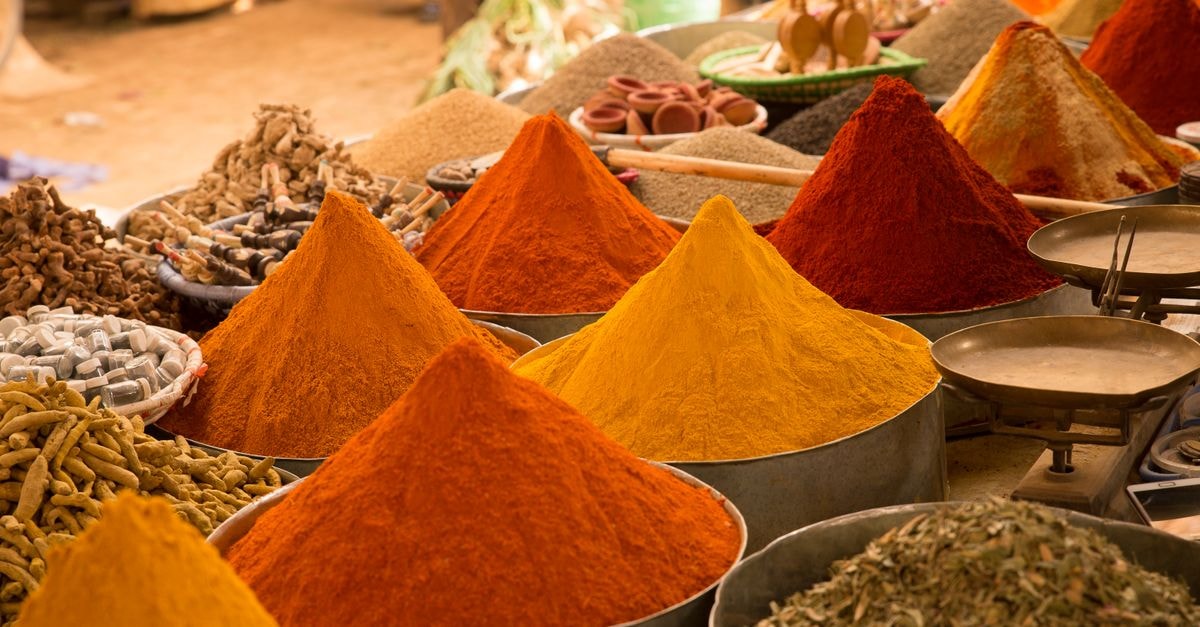
Kolhapur is widely associated with fiery, flavorful Maharashtrian cuisine, and that reputation is part of the city's identity (F7-1). The local food scene is built on age-old recipes, distinctive spice mixes, and a food culture that has been passed down through generations (F7-2). Hospitality here is taken seriously, and visitors may find themselves being served a range of traditional Kolhapuri dishes as part of a traditional "pahunchar" welcome (F6-1). That same spread tends to show up in standalone restaurants and in star-category hotels across the city, so the regional kitchen is accessible at multiple price points (F6-2).
For travelers, this often translates into meals that feel like an event rather than a refuel. The spice-forward style isn't for everyone, so it's worth asking about milder options or fish or vegetable preparations if heat is a concern. Travelers who specifically want to understand regional Maharashtrian flavors, beyond the more generic pan-Indian restaurant menu, may find Kolhapur especially rewarding.
Choosing what fits your trip
Because Kolhapur's main draws sit close together, the city tends to suit travelers who prefer a slower, layered itinerary over a checklist rush, and who are genuinely curious about heritage sites and regional food. If your priority is a quick scenic stopover, you may find Kolhapur richer than expected in history and cuisine but quieter in nightlife and contemporary attractions, so planning around museum and temple hours, and around meal times that showcase regional dishes, will likely shape a more satisfying visit.
A quick note before you go: weather, transport schedules, museum and temple opening hours, and menu availability can change without much notice, so it's worth confirming current details through official channels or your hotel closer to your travel date.
Share this article
TOOLS FOR THIS PLAN
Make the Kolhapur plan measurable
Choose a tool only when it answers the next question in your trip. Your values stay in the browser, and each tool offers a route back to this planning context.