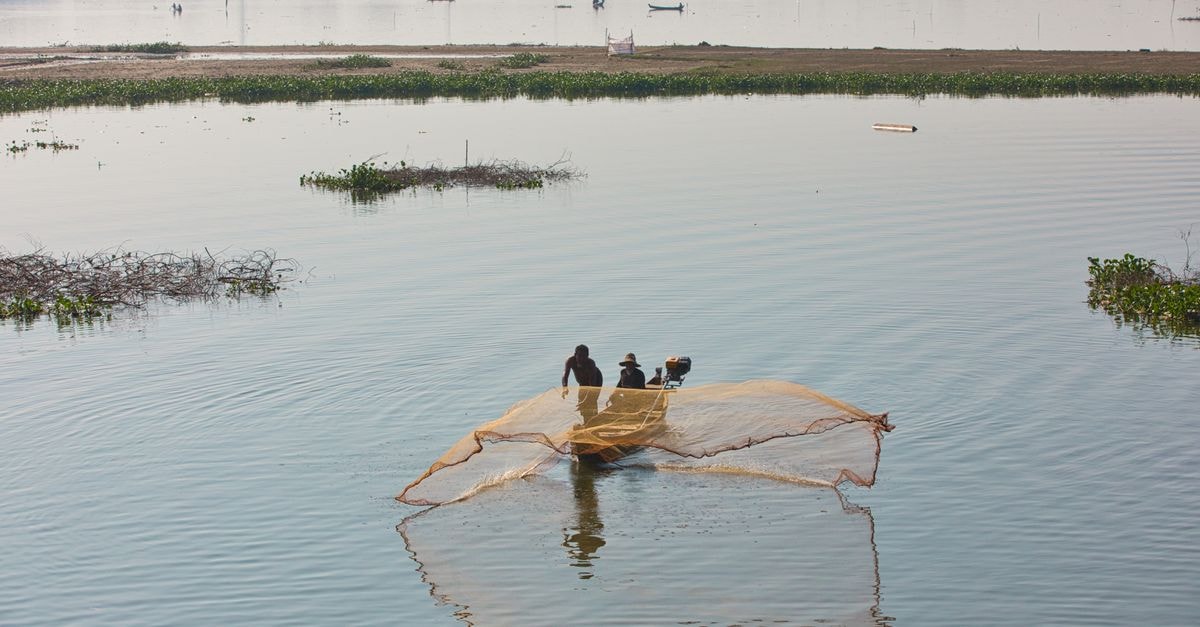
An opening in the Anatolian steppe

Konya sits in the wide, pale-light center of Türkiye, a city that feels older than its streetlights. Travelers tend to arrive curious about one thing — Rumi — and leave talking about wheat, slow tea, and the way the city seems to breathe on foot. There is a quiet, deliberate rhythm here that suits travelers who like a destination where the pace is set by courtyards rather than queues.
This guide is built for independent visitors who want to find their footing in Konya: how to land at the airport and reach the center, where the city's most resonant stops sit, and the kind of food culture that quietly defines a day here.
Getting to the city from Konya Airport
Konya Airport (KYA) connects the city to the rest of Türkiye, and the simplest transfer into the center is the official HAVAS airport bus, which is described as the primary public transport link between the airport and the city. It is consistently positioned in traveler guides as the best and most recommended option, both for cost and for the way it removes the uncertainty of negotiating a ride after a flight.
For travelers who prefer door-to-door convenience, taxis and private transfers operate from the airport as well, and car rental counters sit inside the terminal for those who want to set their own pace across the Anatolian plateau. The HAVAS bus is the budget-conscious default; a taxi or private transfer may suit you if you arrive late, carry heavy luggage, or simply prefer to start your stay without a bus stop.
Getting around once you arrive
Konya is built for walking and cheap public transport, and the city tends to make sense once that fact clicks. The center is compact enough that a stroll between the Mevlana Museum, the old bazaar lanes, and several nearby spiritual landmarks is genuinely doable on foot, and the public transport network fills in the longer hops.
If you prefer to keep the day flexible rather than rely on timetables, walking Konya's flat central stretches may suit you best, especially around the historic core where many of the headline stops cluster together. The bus and tram network, layered on top of that walkable core, tends to work well for travelers who want a little more reach without the cost of a taxi.
Attractions and planning
The single most resonant stop in Konya is the Mevlana Museum, the green-tiled mausoleum of the Sufi mystic Rumi and a center of the whirling dervish tradition. It draws visitors from around the world, and even a short visit tends to recalibrate how you read the rest of the city. Plan unhurried time here, because the courtyard, the small galleries, and the surrounding lanes reward a slower eye.
Beyond Mevlana, the city's attractions stretch across several centuries of religious and civic life. Among Konya's oldest Christian landmarks sits the Church of Agia Eleni, a reminder that Türkiye holds a deeper layered religious heritage than the headlines suggest and that Konya is part of that wider story. For travelers interested in religious heritage beyond the headline museums, this kind of stop often reframes a visit.
If you need a quieter pause between mosques and museums, the Konya Tropical Butterfly Garden offers a different tempo — a warm, leafy space to sit, watch, and reset before returning to stone courtyards. Travelers traveling with anyone who wants a nature break, or anyone simply tired of marble floors, may find it a useful counterpoint.
The practical shape of a day in Konya tends to look like this in practice: one major landmark in the morning, a slow lunch, an afternoon stop that balances indoor heritage with something lighter, and an evening walk back through the central lanes. Nothing in Konya really needs a reservation in advance from independent travelers, but the Mevlana Museum deserves the largest block of time you can give it.
Food and local context
Food in Konya is often tied to the mystic Sufi culture, because the city was the home of Rumi, the famous Sufi whose name still shapes its identity. That cultural framing matters because it explains why eating in Konya tends to feel less like a checklist of dishes and more like a continuation of the day — long tables, flatbread, slow conversations, and the kind of meal that starts when you sit down rather than when you order.
Konya sits inside a wider wheat culture with deep Seljuk roots, and that heritage tends to show up at the simplest level: the bread, the pide, the pilav, and the grain-based comfort dishes that quietly anchor the local menu. Travelers who enjoy tracing a region's history through its staples tend to find Konya especially rewarding, because the same Anatolian wheat traditions that fed travelers on the Silk Road still set the rhythm of a lunch here.
For visitors who want to lean into that, the practical move is to eat where the city's own residents eat — small lokantas, bakeries, and pide houses around the central neighborhoods — rather than chasing a single signature dish. Etiquette around shared bread, tea, and unhurried meals is part of the wider Türkiye dining culture visitors may encounter while in the city: it is normal to linger, to accept refilled tea, and to let the meal set the schedule.
Choosing what fits your Konya trip
Konya rewards travelers who match their pace to the city's. If your priority is a single, deeply felt cultural experience, build the day around the Mevlana Museum and a slow lunch, then leave room for an evening walk. If you prefer variety, balance Mevlana with the Church of Agia Eleni for a wider sense of Konya's layered heritage, and use the Tropical Butterfly Garden as a natural reset between heavy heritage stops. Food-focused travelers will find more by sitting in a small lokanta than by searching for a headline dish, especially if you are curious about the wheat and Seljuk traditions that shape the everyday menu.
For getting around, the HAVAS airport bus fits travelers who want a simple, affordable start, while taxis and private transfers may suit those arriving with heavy bags or at odd hours. Once in the center, walking plus occasional public transport tends to cover nearly everything worth seeing.
A quick verification note
Public transport routes, museum opening arrangements, and airport transfer details can shift, so it is worth confirming the current HAVAS bus schedule and any ticket details with the official airport or operator channels before you travel. Factual travel conditions change, and official sources remain the most reliable reference.
*Factual conditions can change. Please verify transport schedules, museum hours, and any ticket or transfer details with official channels before departure.*
Share this article
TOOLS FOR THIS PLAN
Make the Konya plan measurable
Choose a tool only when it answers the next question in your trip. Your values stay in the browser, and each tool offers a route back to this planning context.