A first look at Kostroma

What follows is a practical, evergreen guide drawn from the facts at hand. It is built for independent visitors who want to plan thoughtfully without leaning on assumptions. Where the source material only supports a wider Russian context, that context is labeled as such; where it supports something more local, that local note stands on its own.
Weather and seasonal context
Kostroma's climate is shaped by its inland position in central European Russia, and the city's elevation of 112 m means weather here follows continental patterns. Day-to-day conditions can shift quickly, so the most useful habit is to check a live forecast close to departure rather than rely on averages.
Because the evidence does not support a long-term seasonal breakdown for the city, the safer approach is to treat weather guidance as soft context rather than a fixed promise. Read the forecast a day or two ahead, plan walking time for the cooler parts of the day, and let the riverfront rather than a strict timetable shape your afternoon.
Getting around
Kostroma is a compact regional capital, and most of what independent travelers want to see sits within a walkable central area. Tripadvisor serves as a general planning reference for hotels and visitor information in the city, which is helpful when comparing neighborhoods and base locations for a stay, but it is best used alongside a current browser since the site itself warns that it may not display properly on unsupported browsers or older devices.
A practical note from traveler feedback on Kostroma hotels highlights a useful detail: rooms facing the street, sometimes labeled "comfort" rooms, tend to be slightly larger than standard rooms, while several internal lots sit toward the backyard of the property. That kind of room-and-lot distinction is a small but real consideration when booking, especially for travelers who value space or a quieter courtyard over a street view.
For moving through the city itself, the limited confirmed evidence supports a simple approach: walk the central historic core, use local taxis or ride services for longer hops, and rely on the main transport hubs to connect in from elsewhere in the oblast. Because no specific timetable, route map, or fare structure is supported by the approved sources, anything more detailed would be speculation. Treat the city's compact scale as the headline, and let real-time tools fill in the specifics on the ground.
Attractions and planning
Kostroma's appeal for visitors sits in its historic architecture, its riverside setting, and the slower pace that defines regional Russian cities away from the capital. The Tripadvisor overview page for Kostroma Oblast exists as a general English-language entry point for travelers researching the area, and it is a reasonable starting reference for building an attractions shortlist.
Within that overview, the practical value for travelers is straightforward: it offers a single hub to scan the kinds of places that tend to interest visitors to the city and the surrounding oblast, from historic landmarks to cultural sites. Because the source material does not confirm specific opening hours, ticket prices, reservation requirements, or crowd levels for individual attractions in Kostroma, the most honest approach is to use the overview as a research springboard and then verify each site directly through current local sources before committing to a visit.
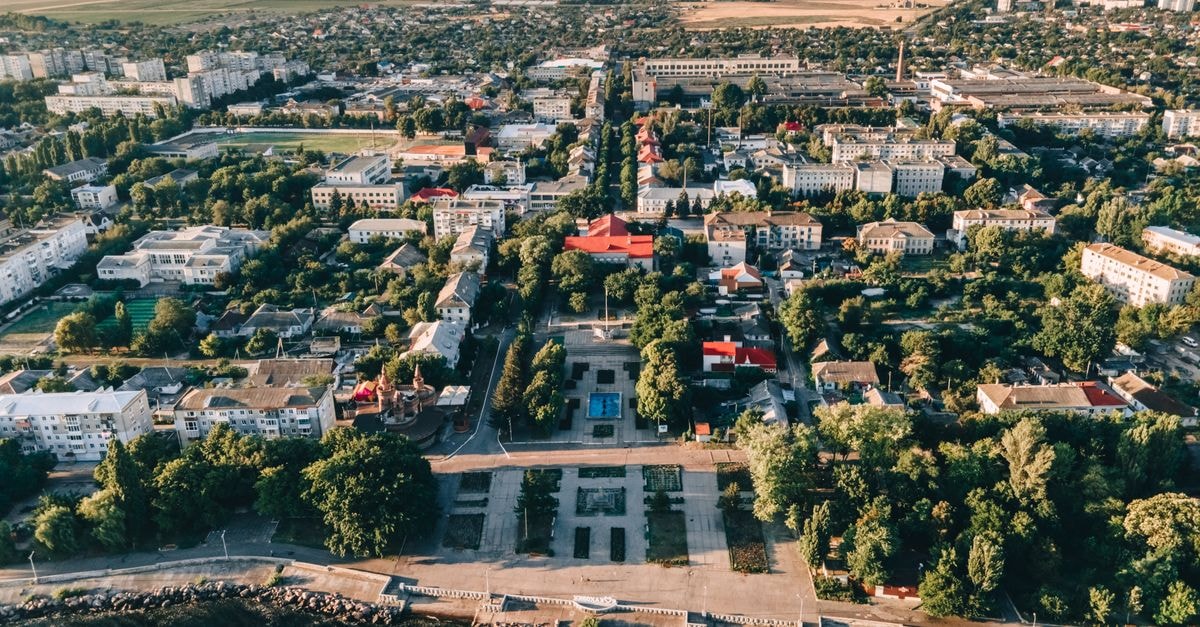
What the evidence does support is the shape of planning itself: Kostroma rewards a measured visit. Rather than racing between stops, the city invites lingering along the Volga embankment, stepping into churches and monasteries at a comfortable pace, and leaving room for the kind of small discoveries that emerge when a day is not over-scheduled. Plan a loose framework, keep expectations flexible, and let the city's rhythm guide the timing.
Food and local context
Kostroma sits within a wider Russian food culture that visitors will encounter in menus and kitchens across the country, so it helps to arrive with a sense of that national context. Russia's culinary reputation often leans on outdated stereotypes, but the reality is richer: traditional cooking frequently centers on the slow rendering of pork fat in cast-iron skillets, the sharp tang of fermented rye bread, and hearty dishes built for long winters.
One of the most universal comfort foods across Russia is pelmeni, small meat dumplings with deep roots in Siberian cooking traditions that have spread across the country. Travelers in Kostroma are likely to encounter pelmeni on menus in various forms, whether served with sour cream, broth, or browned butter, and they offer an accessible entry point into Russian home cooking.
Another part of the national culinary story is black caviar, which has long been treated as a luxury ingredient in Russia, with a history tied to ecological change and the slower recovery of sturgeon populations through aquaculture. Whether or not caviar appears on a Kostroma menu, knowing its place in Russian food culture gives visitors a richer frame for conversations with locals and a deeper understanding of regional menus.
Within Kostroma itself, the approved sources do not confirm specific restaurants, signature dishes, markets, or food specialties unique to the city, so the responsible approach is to keep food expectations open. Eat what looks good, ask locals for current recommendations, and treat pelmeni, rye bread, and the broader Russian kitchen as a national backdrop rather than a city-specific checklist.
Practicalities and good habits
A few habits make a Kostroma visit smoother without requiring unsupported specifics. Carry some Russian rubles in cash for smaller establishments, since the official currency is the RUB and card acceptance can vary by venue. Keep a translation app handy, since English is less commonly spoken here than in Moscow or St. Petersburg. Save offline maps of the central area before arriving, especially if you plan to wander along the riverfront. And build in a little slack in your schedule: the city rewards unhurried exploration far more than a tight checklist.
Because the approved evidence does not include specific exchange rates, fees, or a verified daily cost range for the city, this guide intentionally avoids quoting a budget figure. Costs in regional Russian cities are generally lower than in the two capitals, but the exact scope of a daily spend depends entirely on personal choices about lodging, dining, and transport, none of which the sources confirm in detail. Use the cost information from your own booking tools rather than estimates offered here.
A note on staying current
Travel conditions shift, opening hours change, and small details like transit routes or seasonal services evolve over time. Treat this guide as a thoughtful starting point built from a defined set of facts rather than a live itinerary. For anything that affects a booking, a meal, or a timed visit, check official channels and current local sources before you go. With that habit in place, Kostroma tends to offer exactly what its visitors tend to value most: a quieter, older, unmistakably Russian city on the banks of the Volga, ready to be explored at your own pace.
Share this article
TOOLS FOR THIS PLAN
Make the Kostroma plan measurable
Choose a tool only when it answers the next question in your trip. Your values stay in the browser, and each tool offers a route back to this planning context.