A small town with a long trade-route story

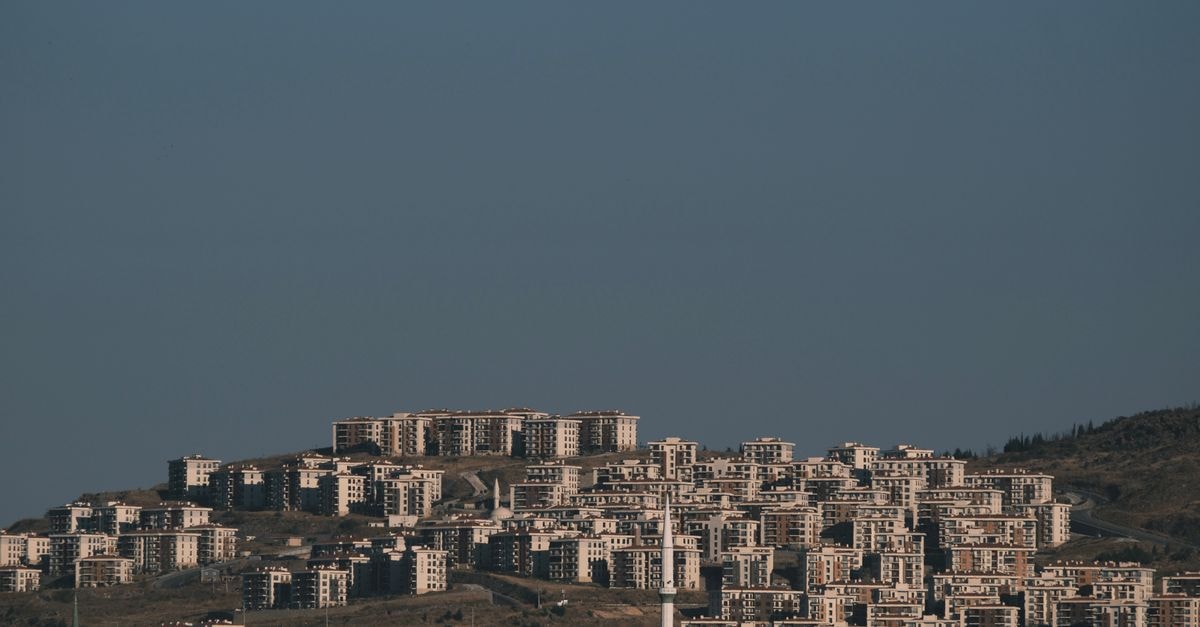
Kriva Palanka sits in the far northeast of North Macedonia, close enough to the Bulgarian border that its rhythm has always been shaped by movement through, not just life in, the valley. The town traces its formal founding to 1633, when the Ottoman vizier Bayram Pasha built a caravanserai and a mosque here to support trade along the route linking Skopje and Sofia (F4-1). That crossroads identity still quietly defines the place: a modest regional town, useful as a base, easier to appreciate than to rush.
It is the kind of town where the day does not need a packed schedule. A short walk, a slow coffee, and an unhurried look at the surrounding hills tend to do most of the work. The rest of this guide focuses on what the approved sources actually tell us: getting in, what is worth knowing about the local attractions picture, and how food fits into the broader context you may encounter while here.
Getting in and getting around
Train is not an option. Kriva Palanka does not have a train station of its own (F1-1), so anyone arriving from Skopje, Sofia or further afield will need to plan a road-based leg. Long-distance buses do pass through: the Istanbul–Skopje service calls at Kriva Palanka on its route (F1-2), which is a useful hint that the town is on a functioning cross-border coach corridor rather than at the end of a branch line.
Because the town is small and spread along a main corridor, onward movement within the area tends to be on foot or by short road transfers. One nearby walking itinerary that sources mention is the route to a waterfall through the village of Stanci; the falls sit roughly a 30-minute walk from the village, set in a dense beech forest (F2-1). That description suits travelers who like low-effort nature walks rather than full hikes: you are walking into forest shade along a manageable trail, not climbing elevation for hours.
Bus stops, taxi stands and accommodation in Kriva Palanka will be far smaller and less English-spoken than in Skopje, so it helps to confirm schedules and onward connections locally before relying on them. Anyone with a strong preference for rail travel may want to reconsider Kriva Palanka as a base, since the documented absence of a station (F1-1) means even short regional trips will need to shift to road transport.
Attractions and what to plan for
The honest summary of the attractions picture is that the town is small, and the places most visitors come for sit just outside it. Local tourism material consistently lists a top 10 of attractions to visit in Kriva Palanka and around it (F3-1, F3-2). That wording matters: it tells you the experience is mixed, with town-level sights alongside short trips into the surrounding hills and villages.
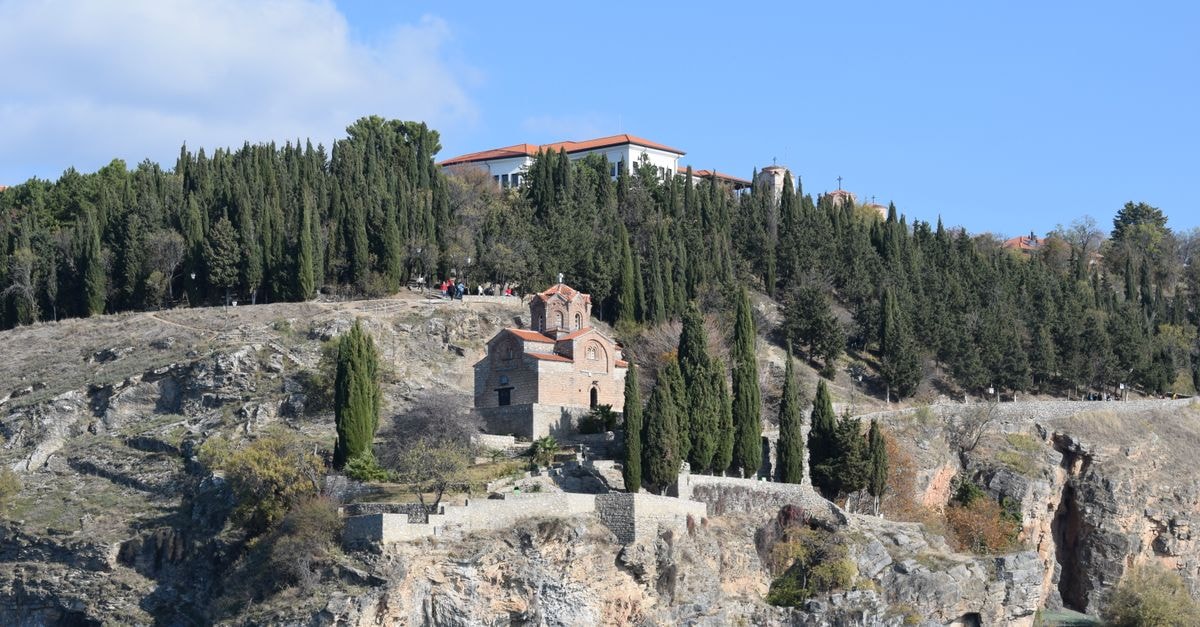
Rather than promise a specific set of landmarks, it is fairer to frame the planning around expectations. The historical layer of the town is genuinely old, going back to the 1633 founding under Bayram Pasha and the caravanserai and mosque built to support Skopje–Sofia trade (F4-1), so anyone with an interest in Ottoman-era road history will find texture here. Beyond that, much of the attraction list leans on the surrounding landscape, including forest walks such as the beech-forest route near Stanci described in the transport section.
Consider Kriva Palanka if you enjoy layering a historical anchor in town with a couple of low-intensity outdoor outings on the same trip, and you are comfortable letting local advice fill the gaps.
Food and local context
Within the town itself, the picture painted by local guidance is one of bustling markets and a fair spread of town restaurants where travelers can sample traditional Macedonian cuisine (F5-1). The kitchen tends to lean hearty: think slow-cooked stews and grilled meats on one side, fresh local produce and homemade pastries on the other (F5-2). That combination suits travelers who like a meal to feel substantial after a day outside, and who enjoy markets as much as sit-down spots.
None of the approved sources pin down specific restaurant names, dish lists for Kriva Palanka, prices or opening hours, so any claim at that level would be speculation. The grounded way to plan is to expect regional staples, ask locally for what is fresh that day, and treat market produce and homemade pastries as a reliable thread through the trip rather than as a checklist.
Picking what fits your trip
Kriva Palanka tends to suit travelers who are comfortable arriving by bus, enjoy short forest walks as part of their day, and read food through the wider regional lens rather than expecting a standalone local cuisine. It may suit visitors who are comfortable filling in details locally rather than finding them pre-published.
If your wider plan already includes Skopje and the trans-Balkan corridor, slotting Kriva Palanka in for a night or two lets you pick up the Ottoman trade-route layer and a stretch of beech forest without rerouting the trip. Verify bus connections and any seasonal access to forest paths close to your visit, since small-town schedules and rural trails change more often than published guide pages.
A note on what to check before you go
Bus timetables for the Istanbul–Skopje service and any onward transfers should be reconfirmed close to departure, as smaller-town cross-border services are more prone to seasonal and schedule shifts than major intercity routes. Forest walks near Stanci and other village-anchored trails can be affected by weather and local conditions, so checking locally before setting out is the safer approach. Are there pharmacies, transport desks and cash access points near where you plan to stay, since guide descriptions do not always cover day-to-day facilities? Payment habits and any amenities you specifically rely on are worth confirming on arrival rather than assuming from guide descriptions.
Prices, opening hours, schedules, reservation rules, and local conditions can change; verify them through official channels before departure.
Share this article
TOOLS FOR THIS PLAN
Make the Kriva Palanka plan measurable
Choose a tool only when it answers the next question in your trip. Your values stay in the browser, and each tool offers a route back to this planning context.