A capital that wears three centuries at once

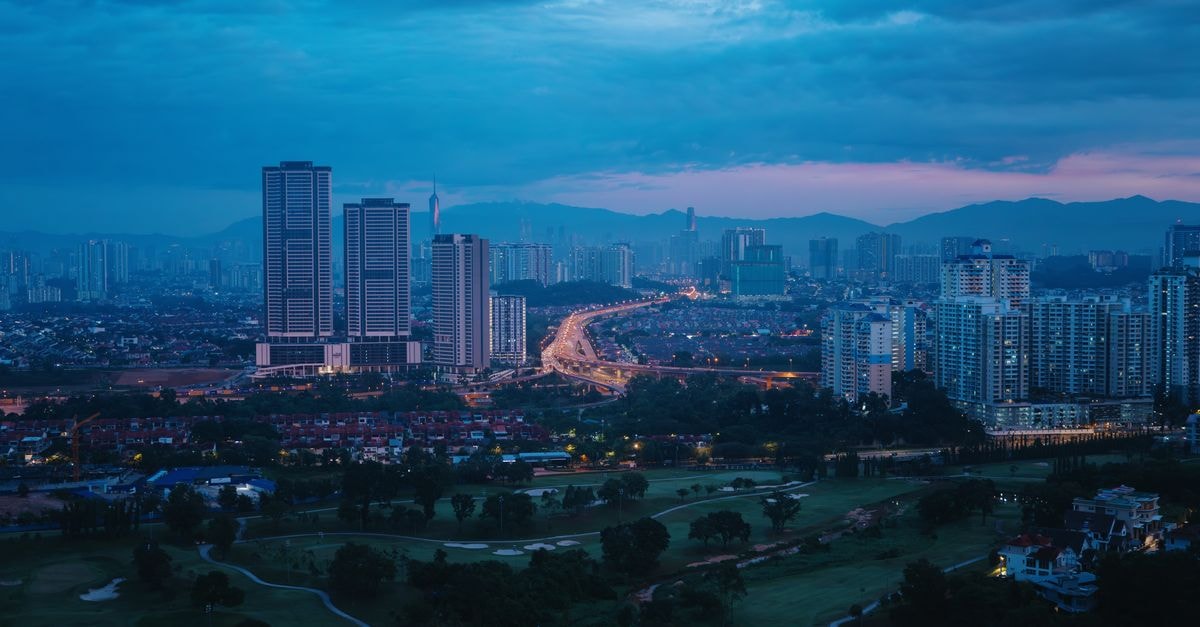
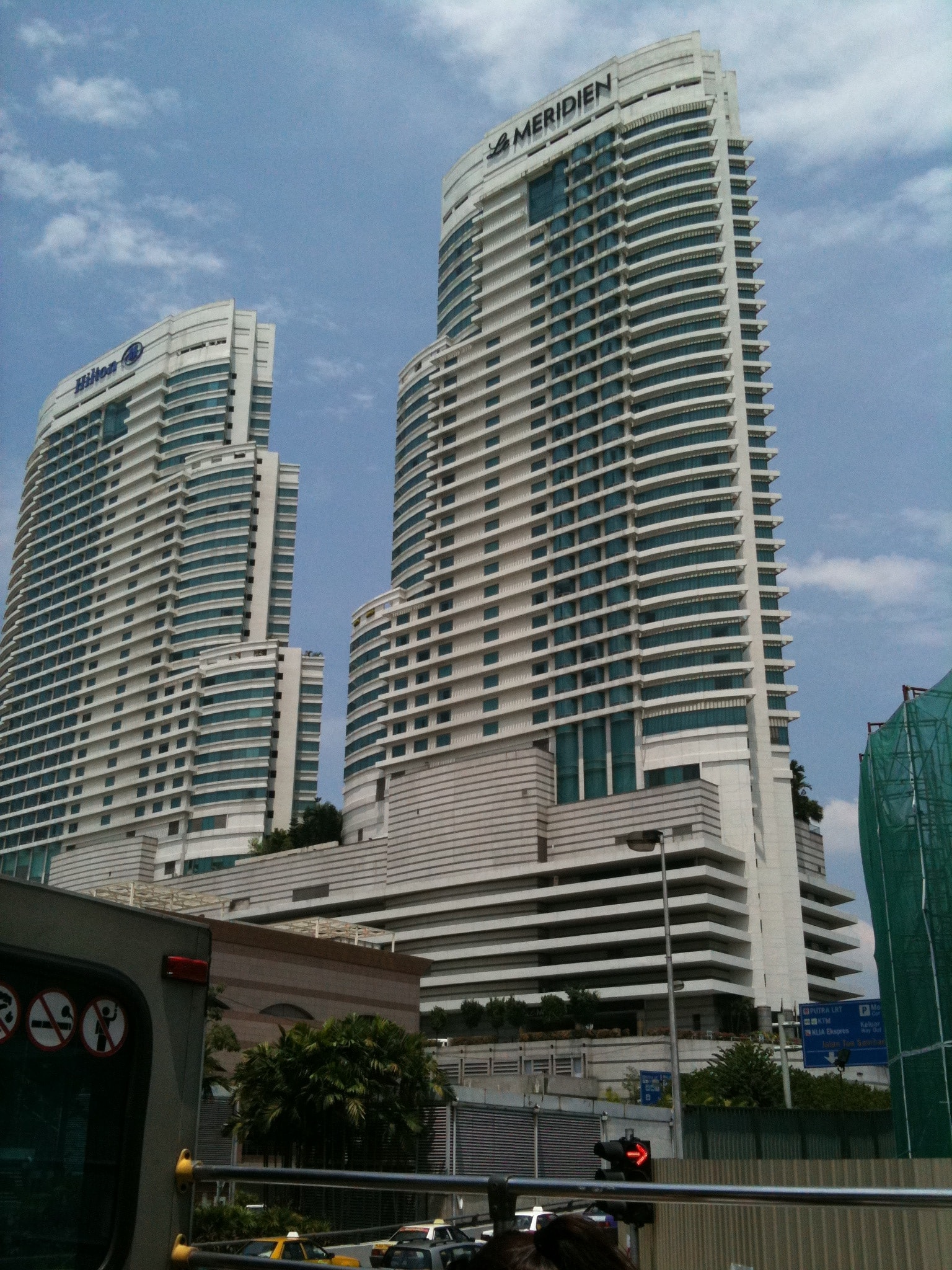
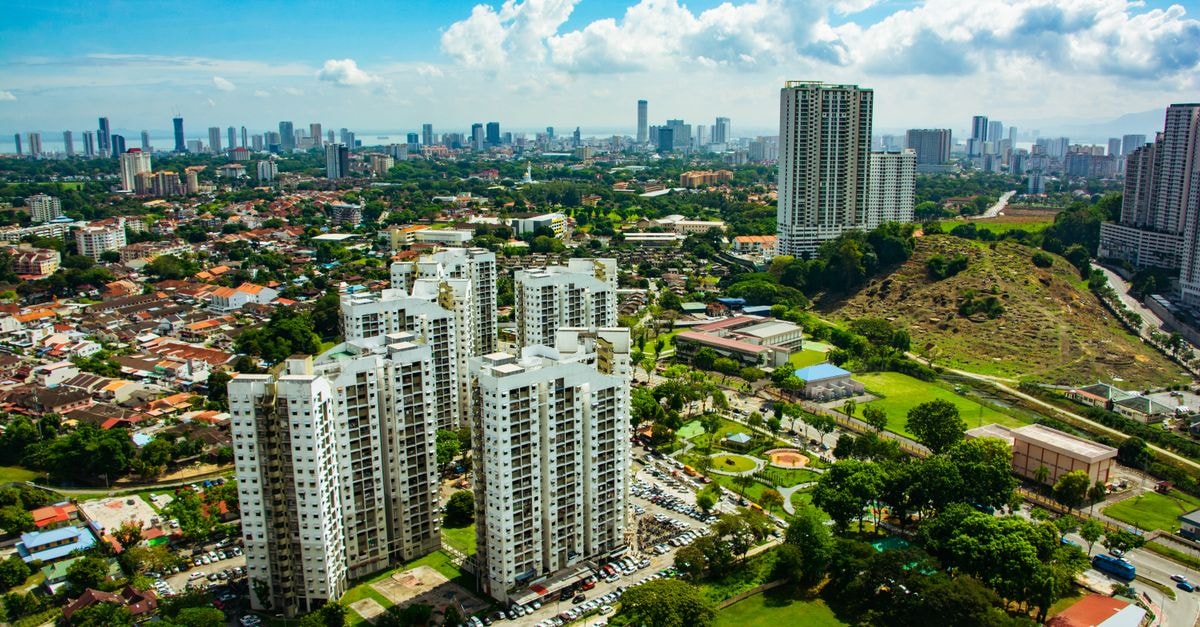
Kuala Lumpur has a rare habit of compressing different eras into a single skyline. Glass towers stand next to older shophouse rows, and within one train stop you can move from a polished financial district to neighborhoods shaped by the city's tin-mining past. The result is a capital that feels layered rather than uniform, which is part of why travelers find it rewarding to explore on foot and by rail rather than only by car.
What ties the whole city together is its food culture. Because Kuala Lumpur grew as a meeting point of Malay, Chinese, and Indian communities, eating here is essentially a way of reading the city's history. You do not need a long list of restaurants to feel that; simply moving between neighborhoods and sampling what is cooked at each stop is often the most honest introduction. The city hands you all of this within a single MRT ride, which makes a short stay feel surprisingly rich.
Getting around
The rail network is the most practical starting point for a first-time visitor. The MRT, LRT, monorail, and commuter lines connect most of the central districts, and using them turns the city into a series of short, walkable segments rather than a stressful drive. One important detail for newcomers: the single-journey token system means each journey needs its own token, so travelers tap in and out as they would on many metro systems around the world and pick up a fresh token for the next leg. Planning a few key corridors in advance tends to save both time and energy, especially in the hotter parts of the day.
Because the city concentrates so many of its contrasts along rail lines, hopping between districts becomes part of the pleasure of the visit. A morning can easily shift from a heritage walk in one quarter to the polished streets of the financial hub in the afternoon, all without leaving the same transit network. The simplicity of the system is one of the underrated strengths of visiting Kuala Lumpur.
Attractions and planning
The city's calendar is shaped by Malaysia's national observances, and several of the most colorful moments of the year are tied to public holidays rather than ticketed events. Federal Territory Day, National Day, the Birthday of His Majesty the King of Malaysia, and the traditional Open House celebrations are moments when the city visibly comes alive, often with public gatherings, decorations, and a welcoming atmosphere for visitors who happen to be in town.
Religious festivals also shape the rhythm of the year. The Muslim festival marking the completion of the pilgrimage in Mekah is one of the most significant dates on the calendar, and visitors will notice changes in mood, business hours, and crowd patterns around it. Travelers planning around such dates benefit from checking a current calendar before booking, since the city feels very different on a major celebration day compared to a normal weekday.
Beyond the headline holidays, the city's layered identity means there is rarely a dull week. Heritage trails, religious sites, and modern landmarks sit close together, which makes it easy to combine culture, architecture, and food into a single outing without long transfers. A relaxed approach, with a few anchor neighborhoods chosen in advance, often works better than racing through a long checklist.
Pacing your days
Because much of what makes Kuala Lumpur appealing lives between the stations rather than inside a single building, the best rhythm tends to be slow. Two or three anchor areas per day, connected by rail, usually allow time for street-level wandering, a proper meal, and a museum or viewpoint without exhaustion setting in. This is a city that rewards lingering over a hawker table as much as it rewards queueing at a landmark.
For travelers who like context, it helps to remember that the modern skyline grew out of an older tin-mining settlement. That history shows up in place names, older streets, and the way certain neighborhoods blend Chinese, Malay, and Indian influences side by side. Once you start noticing those layers, even a short walk begins to feel like a small field study in how a Southeast Asian capital actually came together.
A note on costs
Costs in Kuala Lumpur are flexible enough to suit both careful budgets and more relaxed travelers. Street food, hawker centers, and local cafés make it easy to eat well without spending heavily, while mid-range restaurants and shopping districts offer plenty of room to treat yourself when the mood strikes. Public transport keeps moving around the city affordable, and walking between nearby sights is often free. As with any city, current prices, exchange rates, and transport fares should be confirmed close to departure, since these details can shift over time and currency conversions are only a reference point rather than a guarantee.
Final verification before you go
Factual travel conditions can change, and details such as event dates, transport ticketing rules, and opening hours should always be checked through official channels before departure. Local tourism information and transit operators are the most reliable sources for the most current guidance, and a quick look before you set out can save unnecessary surprises on the ground.
Share this article
TOOLS FOR THIS PLAN
Make the Kuala Lumpur plan measurable
Choose a tool only when it answers the next question in your trip. Your values stay in the browser, and each tool offers a route back to this planning context.