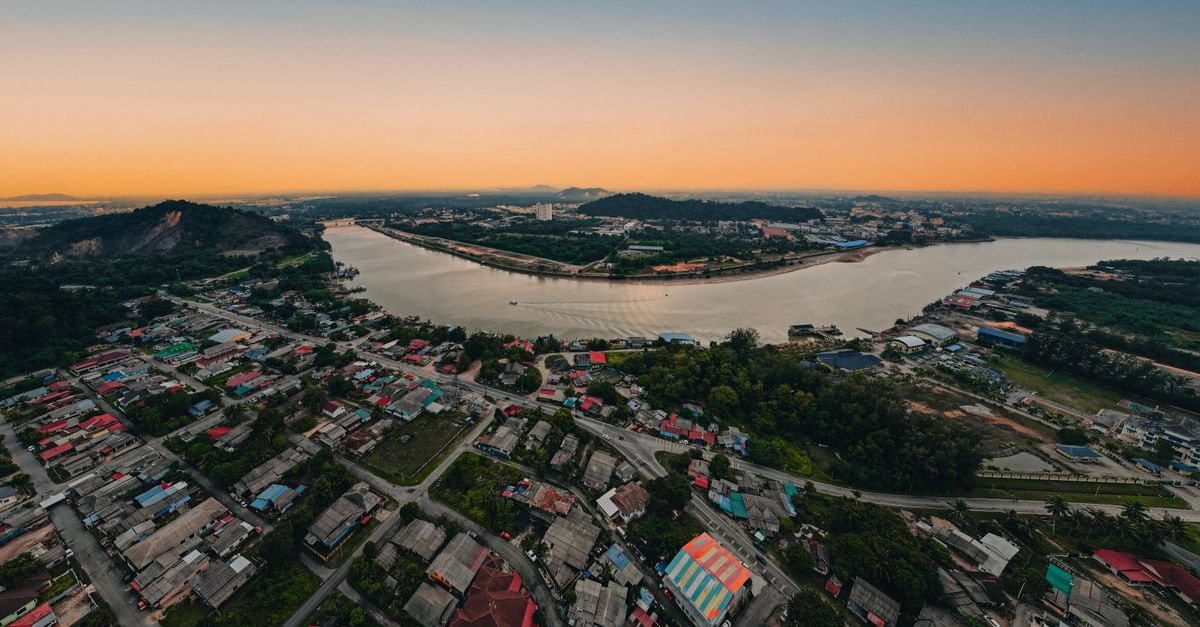
A gentle first look at Kuching

Kuching sits on the Sarawak side of Borneo and has the easy rhythm of a capital that grew up facing its river. The city is often nicknamed the "Cat City," and even that small detail hints at the kind of place it is: fond of symbols, fond of the riverbank, and comfortable letting visitors wander slowly. What makes Kuching feel distinct is the way an urban core, a stretch of historic waterfront, and the wider Bornean landscape sit within a short reach of each other, so a single day can move from a colonial-era square to the feel of nearby wilderness without a long transfer.
If you are planning a trip and want to understand the texture of the city before you book, this guide gathers the most useful anchors: the heritage strip that gives Kuching its sense of place, and the food culture that reflects the many communities who call Sarawak home.
Riverfront heritage and colonial echoes
The historic Kuching Waterfront is the spine of the city's sightseeing. It is the kind of promenade where you can simply walk, stop for the view, and let the sequence of old buildings, river bends, and passing boats set the pace of the day. Because the waterfront is central, it also works as a home base for exploring nearby heritage sites, so most of the city's atmosphere is reachable on foot from there.
Within the vicinity, the area holds a generous spread of attractions, including the Astana and Fort Margherita, two of the most recognizable heritage stops that anchor any first visit. The Astana, the old government palace set across the river, and Fort Margherita, the sturdy white fort built to guard the waterway, together give the waterfront its sense of history. Standing on the promenade and looking across, the two landmarks frame a view that feels distinctly Kuching rather than any other Malaysian city.
What the city does well is balance. It is described as a place that balances urban sophistication with genuine access to Borneo's wilder side, so the sightseeing does not feel boxed in. New infrastructure and updated park systems have made it easier to reach places that once felt remote, and to get better wildlife viewing along the way. That wider context matters when you are choosing what to prioritize: Kuching can be a comfortable city break, but it can also be the gateway into a much older landscape, and you can decide how deep you want to go.
For a relaxed first day, the practical rhythm is simple. Start at the waterfront for the view and the orientation, then work your way along the heritage strip. The Astana and Fort Margherita are best appreciated as a pair, because they read as a small story about how the river shaped the city's past. Keep the afternoon unscheduled so you can return to the promenade at a quieter hour, when the light softens and the river becomes the main attraction again.
A melting pot on the plate
Kuching's food culture reflects the melting pot of cultures that inhabit the city, offering an array of flavors that cater to every palate. That single sentence is worth slowing down on, because it is the reason eating well in Kuching does not require a plan. Malay, Chinese, Indigenous Sarawakian, and broader Bornean influences sit comfortably side by side, and you can feel that mix simply by walking a few streets and watching the day change from breakfast stalls to coffee shops to evening seafood tables.
The waterfront is a natural place to begin exploring that variety. Seafood meals served with a view of the river are an easy way to settle into the city's pace, and the setting does a lot of the work. A table by the water, a slow evening, and the river lights coming on is one of the more memorable ways to spend a first night in Kuching, without any need to chase a particular restaurant or dish.
For a more local texture, Satok Market is worth visiting to experience a different side of the city's food culture. The draw here is not a single signature dish; it is the rhythm of a working market, with the sound of fresh coconut being cut for the morning crowd and the chance to join locals for breakfast. Markets like this tend to be where the everyday food culture actually lives, so it is a useful contrast to the more polished waterfront setting and a fair way to understand how Kuching eats on a normal day.
A few simple habits will make the food side of the trip feel easier. Eat breakfast at a market at least once, save at least one waterfront meal for the evening light, and leave room in your day for whatever smells good at the moment. The variety is part of the appeal, and a rigid list of must-eat dishes can get in the way of it.
Putting the two sides together
The reason Kuching works as a short trip is that the heritage core and the food scene overlap. You can spend a morning on the waterfront, step into a heritage building, return to the promenade for lunch, and finish at Satok Market as the day cools. Because the city is compact and the river ties everything together, the logistics stay simple, and the day can breathe.
The city's growing reputation as a base for exploring Borneo's wildlife and national parks also means that your time in town can be shaped around what kind of traveler you are. If you want a purely urban break, the waterfront, the heritage stops, and the food scene can fill several days comfortably. If you want to reach further into Sarawak's landscapes, the same city center serves as the launch point, and updated access has made those excursions feel less like expeditions than they once did.
A few practical notes before you go
- Treat the waterfront as your anchor. Most first-time sightseeing in Kuching clusters around the river and the heritage buildings in its vicinity, so it is the most efficient place to base yourself. - Plan at least one market meal and one waterfront meal. The two together give a fuller picture of how the city eats than any single restaurant recommendation could. - Allow flexibility for the wider Borneo experience. The same trip that covers the waterfront can also reach the wilder landscapes the city is increasingly known for, and leaving space in your itinerary makes that possible.
Conditions on the ground can change, so it is always wise to check official channels for the latest travel, transport, and entry information before you depart. Treat this guide as a starting framework for the feel of the city rather than a fixed schedule, and let Kuching's riverfront rhythm shape the days once you arrive.
Share this article
TOOLS FOR THIS PLAN
Make the Kuching plan measurable
Choose a tool only when it answers the next question in your trip. Your values stay in the browser, and each tool offers a route back to this planning context.