A grounded welcome to Kumasi

Kumasi sits in the heart of Ghana's Ashanti Region and carries the rhythm of a city that takes its cultural heritage seriously. Travelers heading here often arrive curious about the Ashanti story, and they leave impressed by how present that story still feels — in the museums, the markets, and the everyday food culture. This guide focuses on what the evidence actually supports: how the weather generally behaves, how people move around the city, the cultural attractions worth planning around, and the local dishes that define a meal in Kumasi.
If you like cities where tradition is lived rather than displayed behind glass, Kumasi rewards the time you give it.
Weather and seasonal context
Kumasi sits in a tropical belt, and the city's climate is best understood in terms of averages rather than fixed forecasts. Average temperatures, rainfall patterns, and sunshine hours vary through the year, and the simplest way to plan around them is to check a month-by-month climate summary before you travel. Travelers who pace their sightseeing around the rainiest hours of the day tend to have the smoothest experience.
There is no specific monthly weather data to lean on here, so the most honest advice is general: pack for warmth, expect humidity, and build some flexibility into your day so an afternoon shower doesn't derail your plans. A lightweight rain layer, comfortable walking shoes, and breathable clothing will carry you through most visits.
Getting around
Kumasi runs on practical local transport rather than a polished tourist network, and visitors do well to embrace that reality. The city does not feature many specialized transportation options common in other tourist destinations, focusing instead on everyday local modes. There are also no boat taxis or water-based services here, since Kumasi is an inland city and not located along the coast.
For longer intercity journeys, the STC (State Transport Corporation) bus is a comfortable and reliable option and is widely used by travelers connecting Kumasi with other parts of Ghana. Inside the city itself, the rhythm is simpler: short trips by local taxi, tro-tro minibuses for set routes, and walking through the busier market and museum districts where the streets invite you to slow down. Because specialized services are limited, planning a few key anchor points each day — rather than chasing a tight timetable — tends to make movement around the city feel easy.
Attractions and planning
Kumasi's cultural attractions give the city its center of gravity, and the Kumasi Cultural Centre is the natural place to begin. Within the grounds, a serene museum offers a calm, reflective counterpoint to the bustle of the surrounding streets, and it gives visitors a chance to understand the Ashanti story through curated objects rather than rushed commentary.
Good travel planning in Kumasi is less about ticking off a long list and more about giving yourself room to absorb a smaller number of sites deeply. Cultural guides, regional histories, and locally produced travel resources are widely available, and they help visitors experience the city and the wider Ashanti Region with more context than a quick walk-through allows. If you have time for one cultural stop in the city, the Cultural Centre and its museum are the most clearly supported choice in this guide.
Food and local context
Food is one of the most direct ways into Kumasi's everyday culture. From street food stalls to traditional dining establishments, food lovers can expect a delightful journey through local delicacies, and the city is often described as a rewarding stop for anyone curious about authentic Ghanaian flavors. Fufu and light soup is one of the signature traditional dishes associated with Kumasi, and the area around Baba Yara Sports Stadium is known for local restaurants serving traditional Kumasi dishes.
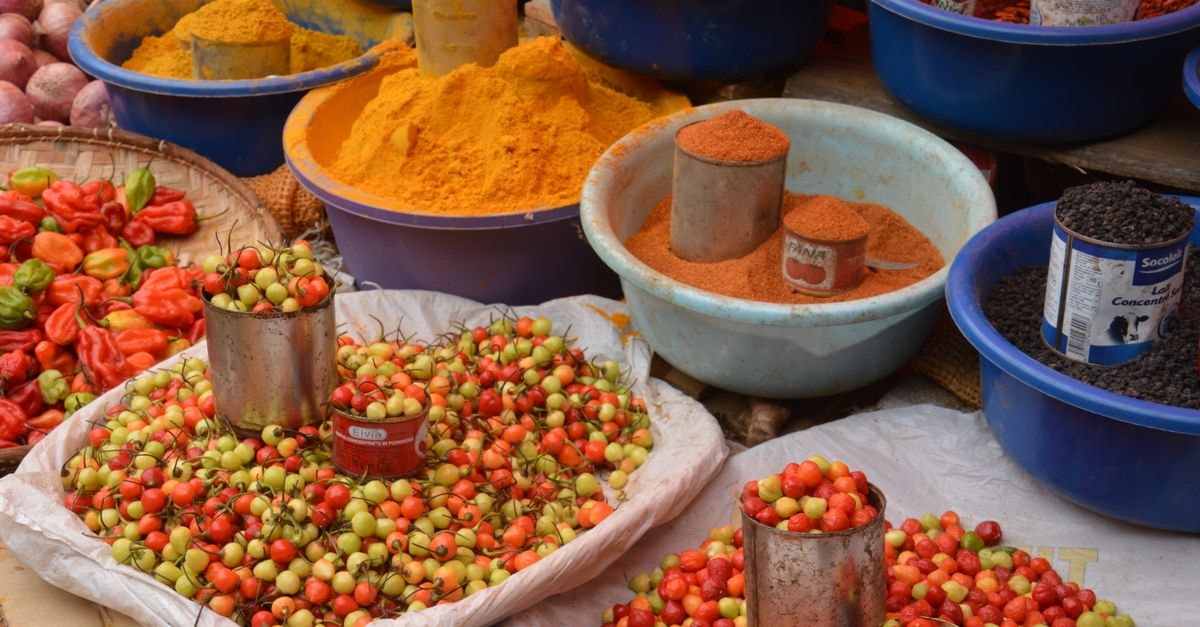
Chinchinga — Ghana's beloved grilled skewers — is another local experience worth seeking out. For an authentic taste, dedicated chinchinga spots near the city market and well-known local grills are the kinds of places visitors tend to hear about most often. The Kumasi Central Market is also a useful landmark for travelers who want to see fresh ingredients, watch how meals are built from the market up, and get a feel for authentic cooking styles in the process.
A few practical habits help: eat where the locals queue, ask which soup is freshest that day, and treat the market as both a food stop and a cultural one — it does as much teaching as any museum in the city.
A quick note before you go
Travel conditions can shift quickly, and the climate figures, transport options, and dining spots mentioned here reflect a general picture rather than a fixed schedule. Live weather, current bus operations, and opening arrangements should be confirmed through official channels or a current local source closer to your travel date. Treat this guide as a starting framework, then refine the details once you know your exact timing and route.
With that grounding in place, Kumasi is the kind of city that rewards travelers who arrive curious and leave a little slower than they planned.
Share this article
TOOLS FOR THIS PLAN
Make the Kumasi plan measurable
Choose a tool only when it answers the next question in your trip. Your values stay in the browser, and each tool offers a route back to this planning context.