A practical coastal guide to KwaDukuza
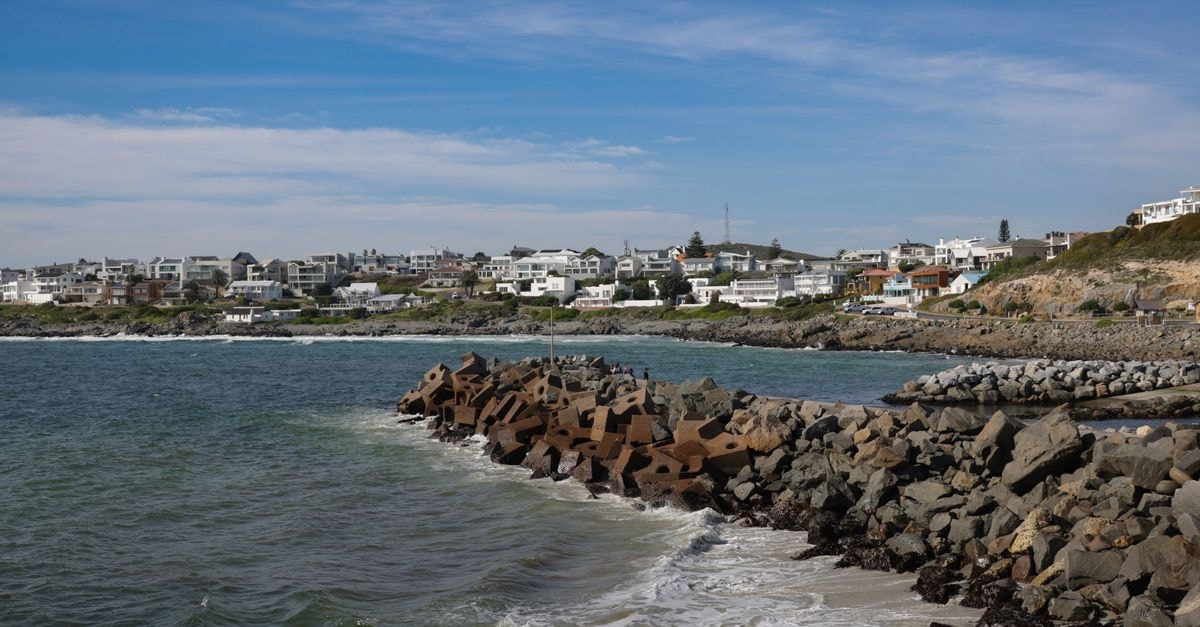
KwaDukuza is a coastal town in KwaZulu-Natal, South Africa. This guide offers grounded context about seasonal conditions, everyday caution, and the wider food culture visitors may encounter. It is not a packed itinerary or a list of specific venues; instead, it helps frame how to approach the trip, what to plan around, and which details deserve attention before departure.
For travelers prioritizing a relaxed coastal atmosphere, the town’s general setting may suit a slower style of exploration. That sense of ease does not mean carelessness: ordinary urban vigilance still matters, particularly in busy areas.
When to visit and how to pace the trip
The clearest seasonal pattern for KwaDukuza points toward April through September. These months are described as drier and cooler, with the broader KwaZulu-Natal coast also associated with whale season during that period. A trip built around coastal scenery and the possibility of wildlife encounters may therefore appeal to travelers who value this seasonal combination.
This is a seasonal context rather than a guarantee about conditions on any particular day. Even in the generally drier and cooler stretch, weather can vary, so the recommended period should not be treated as a promise of uninterrupted sun or mild temperatures every afternoon. If you prefer warmer conditions or your plans depend on outdoor activities, checking the forecast close to departure is more useful than relying on a broad travel window.
The same seasonal rhythm offers a useful way to match the trip to personal priorities. Those who want the documented combination of drier, cooler coastal weather and the region’s whale-season atmosphere may find this stretch particularly appealing. Conversely, if your ideal trip depends on heat or long, sunlit beach hours, you may want to reconsider the timing after checking current conditions rather than assuming this period will deliver your preferred weather.
Staying alert while enjoying the coast
KwaDukuza’s safety profile is rated as moderate, with urban caution advised. Petty crime is a concern in busy areas, while coastal towns are generally described as relaxed by day. The practical implication is straightforward: enjoy the relaxed coastal rhythm, but remain attentive in more crowded urban settings and keep ordinary travel vigilance in place.
This distinction matters because “relaxed” should never be read as a guarantee of risk-free movement. It describes the general daytime character of coastal towns, not an exemption from normal precautions. If you prefer destinations where active street pressure is a particular concern, planning time to avoid unnecessarily lingering in busy areas—and reviewing practical advice from reliable local or official channels—may help you feel more comfortable.
Crime patterns and local conditions can change, so the safest approach is to check current official information and trusted local advice before departure and again during the visit.
A taste of wider South African food culture
Food is best understood here as wider South African context that visitors may encounter while in KwaDukuza, rather than as a claim about a specific city specialty. The supplied food information places South African culinary heritage within a broader national tradition shaped by varied dishes and dining customs.
One recognizable example is boerewors, or farmer’s sausage, described in the source material as South Africa’s most democratic food. The phrase conveys its broad place in everyday South African food culture rather than pointing to a particular restaurant, menu, or preparation in KwaDukuza. Travelers curious about familiar South African flavors may appreciate knowing that this nationally significant food forms part of the context they may encounter during a visit.
If boerewors is part of what you want to taste, consider asking about its preparation and availability where you eat rather than expecting a particular venue or dish to be guaranteed. That keeps the experience grounded in what is available at the time, without turning a national food tradition into an unsupported local promise.
Choosing what fits your trip
KwaDukuza works best for travelers who want coastal surroundings, a generally relaxed daytime atmosphere, and a trip shaped by seasonal priorities rather than a fixed checklist. The April-to-September window is the strongest fit for those who prefer the documented drier, cooler conditions and want to be near the KwaZulu-Natal coast during whale season. It may require a different mindset from a trip planned primarily around hot beach weather.
Food exploration is best approached with a regional lens. Boerewors and other South African traditions provide cultural context, but the approved information does not identify KwaDukuza-specific dishes, restaurants, markets, or menus. Likewise, a generally relaxed coastal atmosphere is compatible with ordinary caution rather than with reduced awareness in busy areas.
This balance can make the destination feel pleasantly easygoing without turning it into an overpromised escape. Match the timing to the coastal experience you prefer, keep safety practices in proportion to the setting, and treat food as a doorway into South African culture rather than a guarantee about a particular local venue.
Before departure, check official travel advisories, the latest local guidance, and current weather information. Factual travel conditions and operating circumstances can change, and official channels should be checked close to the time of travel.
Share this article
TOOLS FOR THIS PLAN
Make the KwaDukuza plan measurable
Choose a tool only when it answers the next question in your trip. Your values stay in the browser, and each tool offers a route back to this planning context.