A slow stretch of southern coast

Kwale sits on Kenya's southern coast, where the Indian Ocean shapes everything from the air you breathe to the rhythm of the day. The shoreline unfurls for kilometers, small islands freckle the offshore water, and a steady warmth lingers in the shade. It is the kind of place that rewards travelers who arrive without a rigid schedule, the ones happy to let the tide set the pace.
If you are the sort of traveler who reads a Kwale travel guide hoping for ocean mornings, white-sand afternoons, and an unhurried cultural texture, you are in the right frame of mind. The rest of this guide gathers the practical threads: the climate you will feel, the cross-water route from Mombasa, the headline places to plan around, and the food culture that quietly seasons a coastal stay.
Weather and seasonal context
Kwale's coastal climate is tropical and largely steady across the calendar, which is helpful when you are packing months in advance. Temperatures remain relatively constant year-round, with a mean annual range of roughly 25 to 27 degrees Celsius, so the difference between one visit and another tends to come from rain rather than from heat. Rainfall is described as moderate to high, concentrated in two rainy seasons, with the rest of the year leaning drier and more predictable for beach time.
The Indian Ocean's influence means humidity sits in the background even on clear days. Travelers who prefer to keep their itinerary fluid may find that planning around the rain pattern, rather than chasing a single perfect window, is the more relaxed approach. Light, breathable layers, a light rain shell, and sun protection are reasonable staples in any season, since the warmth itself rarely takes a holiday.
Getting around
Kwale is connected to Mombasa Island by the Likoni Ferry, the cross-channel link that locals and visitors alike rely on. It is the central artery for moving between the broader Mombasa transport network and the southern coast, and it tends to set the tone for arrival days. Building in a little patience for ferry queues and loading times is part of the coastal experience rather than a disruption to it.
For overland movement, shared minibuses, locally known as matatus, operate between Mombasa and Kwale towns, often with transfers along the way. They are useful for travelers who want a ground-level sense of the region and do not mind a more incremental pace. If you are weighing the ferry against the matatu route, consider that the ferry is the most direct water crossing, while matatus offer flexibility for reaching inland Kwale towns without needing your own vehicle. Travelers who prefer to minimize logistical complexity may want to pre-arrange a transfer for arrival and save the ferry crossing for a casual round trip once they have settled in.
Attractions and planning
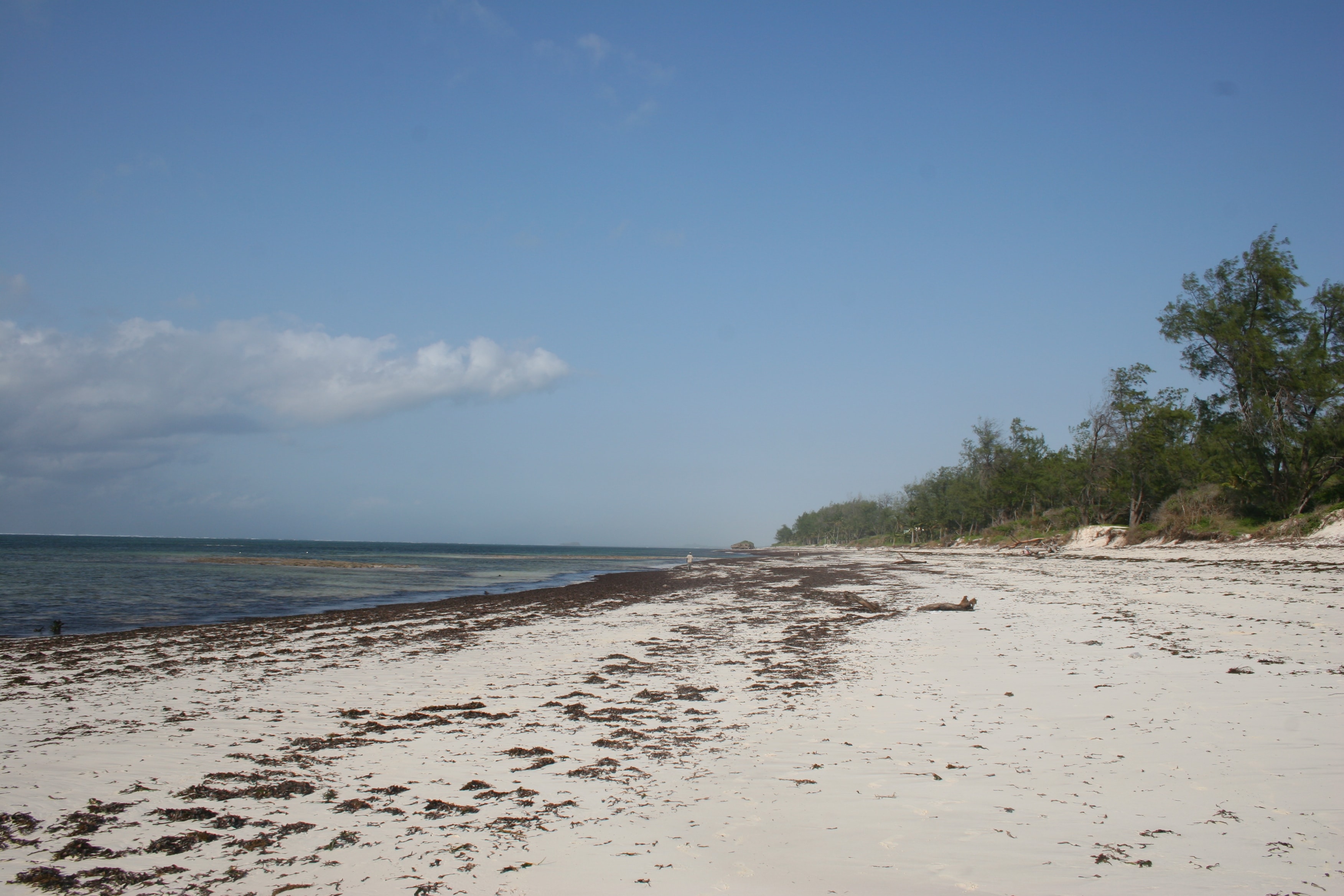
Diani Beach is the centerpiece of any Kwale itinerary. The beach is described as a stunning tropical destination on Kenya's southern coast, and it serves as the focal point of the area's tourism, with the majority of beach resort hotels concentrated along roughly 25 kilometers of shoreline. That scale gives the coast room to breathe; you can find a lively stretch near the resorts or walk toward quieter sections without much effort.
Just offshore, Wasini Island is a small island destination off the southern coast of Kenya, known for its natural beauty and cultural heritage. Its compact scale makes it feel like a counterpoint to the long ribbon of Diani, and it suits travelers who like their coastal days to include both sand and a short boat interlude. If you are weighing a Diani base against a Wasini day, the practical contrast is simple: Diani gives you continuous beach frontage with resort infrastructure, while Wasini offers an island texture reached by water. Both sit within the same broader coastal area, which makes combining them straightforward rather than ambitious.
Kwale as a whole draws a substantial international audience, with the county attracting roughly 400,000 international tourists annually, the majority of whom head to Diani Beach and the surrounding coastal resorts. That volume translates into a well-trodden visitor trail, which is reassuring if you prefer destinations with established services rather than remote exploration. It also means that booking key elements ahead of time, particularly around the resort corridor, tends to pay off.
Food and local context
Food in Kwale reflects the wider Swahili coastal tradition, where the meeting of ocean, trade routes, and cultural exchange shapes everyday kitchens. Across Kenya's coast, this translates into flavors built on coconut, seafood, spices, and slow-cooked stews, and visitors to Kwale will encounter that broader coastal vocabulary on local menus and in beachside settings. Ali Barbour's Cave Restaurant appears in local foodie lists as a notable dining reference point within the county, and travelers curious about Kwale's culinary scene often use the wider food culture as a starting point for exploring further. The specific dishes and venues that catch your attention will depend on where you wander, but the coastal thread is unmistakable.
For travelers who care about both atmosphere and eating, consider balancing a memorable sit-down meal with casual coastal stops. A cave-restaurant evening pairs naturally with relaxed daytime eating closer to the sand. If you prefer a quieter rhythm, skipping the big dining venues for smaller local spots can feel just as rewarding; the broader coastal food culture rewards curiosity more than checklists.
Choosing what fits your trip
The tradeoffs in Kwale are mostly about pace and base, not about whether a place is worth visiting. Travelers who want continuous beach frontage, resort amenities, and easy movement along the coast will likely be happiest anchored near Diani, using the Likoni Ferry for Mombasa connections and the matatu network for inland Kwale towns. Travelers drawn to island texture and a slower offshore day will find Wasini a natural complement rather than a competing destination. The climate stays warm and largely steady, so the main planning axis is rain versus sun, not hot versus cool. Choosing where to stay and how long to linger matters more than chasing a particular season.
A note before you go
Conditions on the coast can shift, ferry operations, weather patterns, and tourism services evolve over time. Before you travel, check current ferry schedules, road updates, and any local advisories through official channels so your Kwale travel guide reflects the most recent reality on the ground.
Share this article
TOOLS FOR THIS PLAN
Make the Kwale plan measurable
Choose a tool only when it answers the next question in your trip. Your values stay in the browser, and each tool offers a route back to this planning context.