A quiet capital tucked into the island hills

This guide keeps the focus on what is supported: the seasonal feel of the weather, how visitors typically move between the airport and the city, the main historic sight, and the everyday cost of a meal, a coffee, or a short taxi ride.
Weather and seasonal context
La Asunción has a warm, tropical feel year-round, and the climate nudges the rhythm of any visit. According to long-term climate data, sea temperatures around the island range from about 77°F in the cooler stretch to roughly 82°F in the warmer months, giving the water a reliably bath-like quality. Inland from the coast, the city sits in slightly cooler, more breezy territory than the open beaches, which can make wandering the historic center feel easier than walking the shoreline in full midday sun.
For travelers planning around heat, the data characterizes late December through late March as the more comfortable window for hot-weather beach and pool time, while the rest of the year tends to feel warmer and more humid. If you prefer easier walking in a sun, consider planning the historic-center wandering for the early morning, and leaving the brightest hours for a slower lunch or a shaded café stop.
Getting around
La Asunción sits a few kilometers from other towns in Nueva Esparta, including the better-known city of Porlamar, and that proximity makes it straightforward to combine with other parts of the island without committing to a second hotel. The connection to nearby cities is part of what gives the capital its role as a convenient base.
From the airport, the usual ways to reach the city are by taxi or by bus, both of which are mentioned in local travel information. Once in town, distances are short, and taxis are a common way to move between the historic center, residential neighborhoods, and connecting roads toward Porlamar and the rest of the island.
A published list of typical local costs puts a short taxi trip in a range of roughly 5–15 USD, museum or castle entries at around 1–3 USD, and main meals in a range of 8–20 USD per person. Drinks are usually listed in a range of about 1–5 USD, and small keepsakes in a range of about 2–10 USD. The same note reminds visitors that in Venezuela it is common to pay in US dollars or in bolívares at the day's exchange rate, so checking the current rate before you travel is a sensible step. As a rough daily reference, a traveler eating on the spot and moving by taxi and bus, excluding hotels and any inter-city transport, can expect spending roughly in the 16–43 USD range based on those published bands.
Rates and prices are only a reference, and they shift over time, so it is wise to confirm the current exchange rate and local costs through your hotel or a recent visitor source before relying on them for budgeting.
Attractions and planning
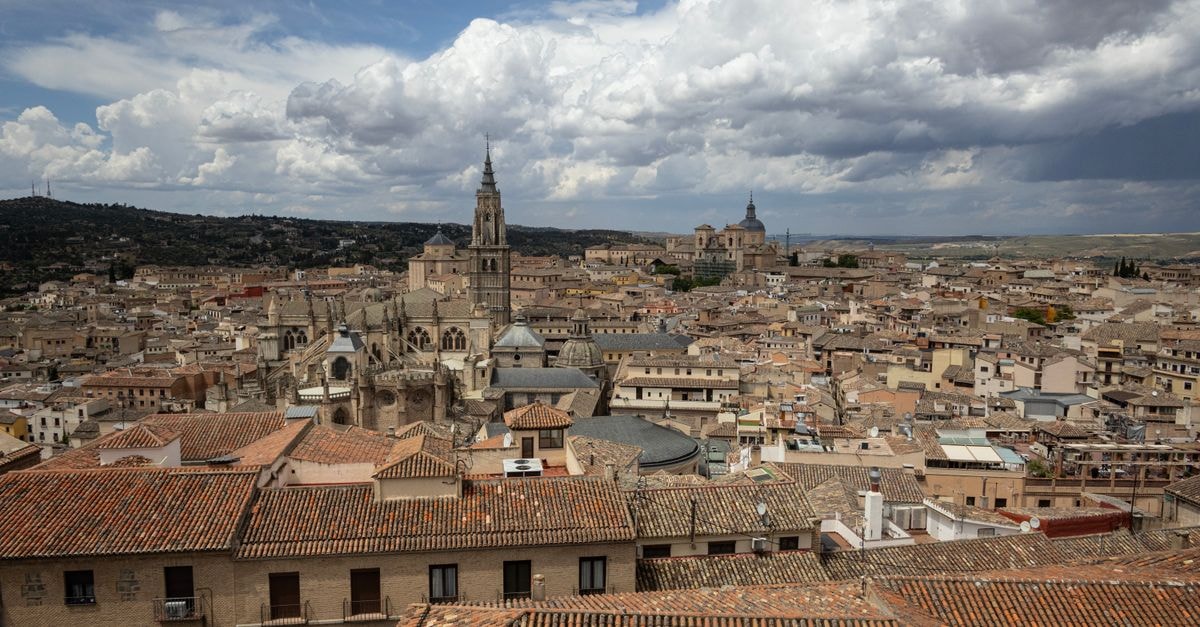
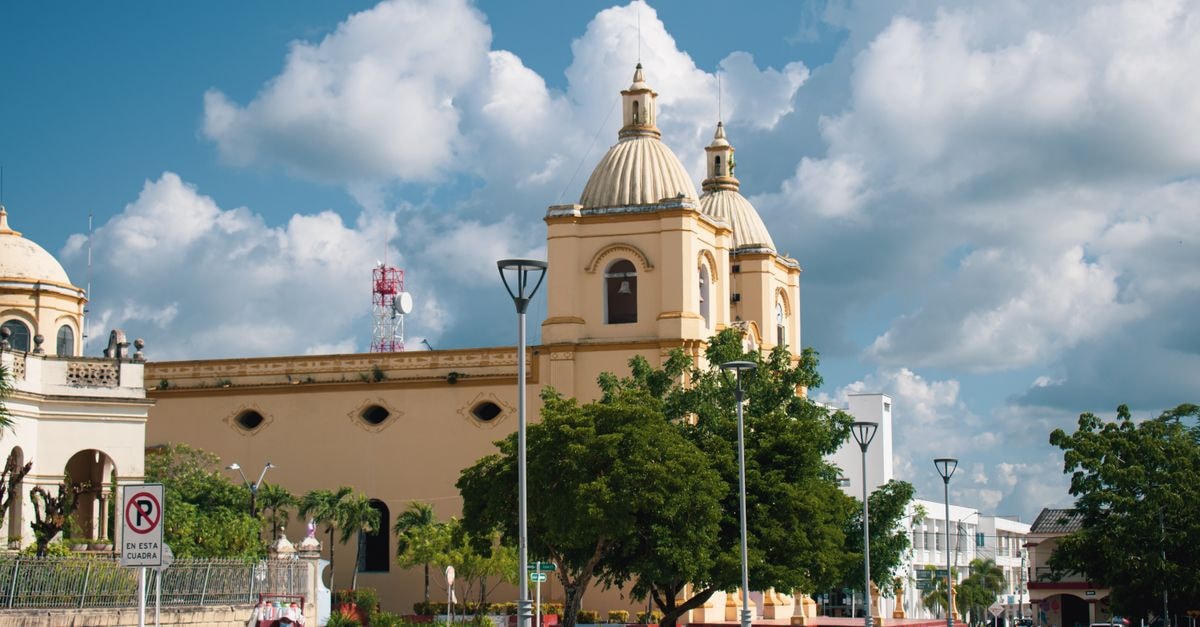
The most prominent historic landmark is the Catedral Nuestra Señora de La Asunción, a 16th-century church that is one of the earliest churches in the country. Its age and central place in the city give the surrounding streets their scale, and it acts as a natural anchor for a short walking visit to the historic center.
Beyond the cathedral, the city has the feel of a working provincial capital rather than a museum town. The combination of a compact center and the proximity to other parts of Nueva Esparta means you can build a flexible day around the church, a slow coffee stop, and an unhurried look at the surrounding streets without needing a strict schedule. If you enjoy travel that is more about a sense of place than a checklist of sights, the cathedral-and-streets pairing may suit a half-day visit.
Planning a longer stay in La Asunción rather than only passing through can make sense if your idea of travel leans toward quieter evenings, short taxi hops to nearby towns, and the chance to return to the same café or plaza more than once.
Food and local context
La Asunción itself is small, and the dining scene is woven into the streets rather than clustered in a single district. A typical food and drink day can be built around the published local ranges rather than a fixed itinerary: a main meal in the 8–20 USD range, a drink for around 1–5 USD, and perhaps a small souvenir for 2–10 USD if something appeals.
A charming detail in the historic center is that an old two-storey house has been converted into a souvenir shop with a small coffee kiosk, giving visitors a place to pause that feels rooted in the city's older architecture. Stops like this pair naturally with a visit to the cathedral and a slow walk through the surrounding streets.
A common way to settle into the local food rhythm is to step into a busy local comedor or family-run café early in your stay and order what looks most popular, so the everyday menus guide your choices rather than a preset list.
Choosing what fits your trip
Because the city is compact and the climate is warm year-round, the practical tradeoffs tend to be about rhythm rather than logistics. If you like a slower pace, an inland historic-capital base, and the option to take short taxi trips to other parts of Nueva Esparta, La Asunción can suit that kind of traveler. If your priority is being steps from the water, a coastal base may be a better fit, with La Asunción working as a short day visit rather than a home base. Travelers who enjoy a half-day of historic-center wandering followed by an unhurried lunch and a quiet evening may find the city suits them well.
Before you go
Factual travel conditions such as exchange rates, taxi fares, opening hours, and entry fees can change without notice, and this guide reflects information available at publication. Check current rates and local conditions through official channels and your accommodation before you travel, and treat the cost ranges here as a reference rather than a fixed quote.
Share this article
TOOLS FOR THIS PLAN
Make the La Asunción plan measurable
Choose a tool only when it answers the next question in your trip. Your values stay in the browser, and each tool offers a route back to this planning context.