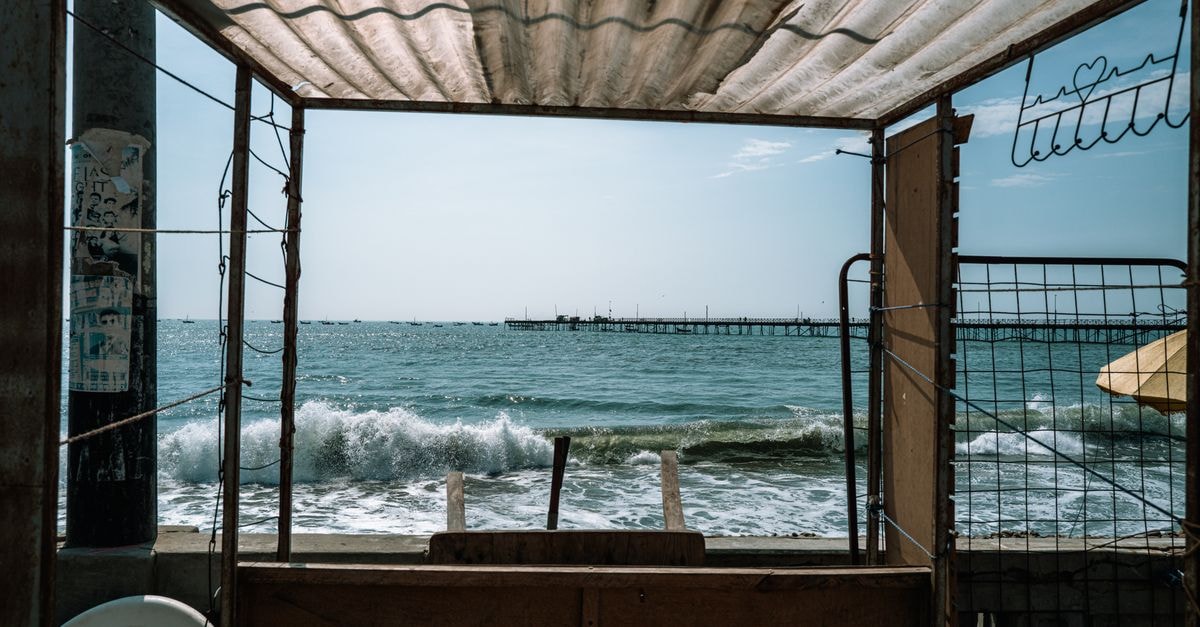
A first impression of La Union

Set on the eastern edge of El Salvador where the land rolls down toward the Gulf of Fonseca, La Union has the feel of a port city that knows both the mountains and the sea. Travelers tend to arrive looking for black sand beaches, a working waterfront, and the kind of unhurried rhythm that comes with being slightly off the main tourist trail. It is the kind of place where the day can shape itself around an early walk, a long lunch, and an afternoon by the water.
The surrounding department of La Union is known for its variety: a towering volcano, dark-sand beaches, and a gulf dotted with islands that carry their own share of history. That mix of mountain, coast, and island scenery is what makes the city a useful base for travelers who want a little bit of everything in one trip.
Weather and seasonal context
La Union sits in a warm tropical belt, so heat is part of everyday life rather than an event. Average daytime temperatures hover around 28°C, with afternoon highs climbing toward 32°C and nighttime lows settling near 24°C. The pattern is steady rather than dramatic, and most days feel similarly warm from morning to evening.
With temperatures in that range, it pays to think of the day in slow layers. A short morning outing, a shaded break around midday, and a longer stretch outside once the sun softens tends to feel more comfortable than a back-to-back schedule. Lightweight clothing, sun protection, and a refillable water bottle are practical companions, because the heat makes hydration a daily habit rather than a chore. Evenings by the gulf usually bring a slight breeze, which is when the waterfront feels most inviting.
Because the climate is fairly consistent through the year, this kind of pacing works in almost any season. The only real shift is in how aggressively the midday sun lands on you, which is why locals and frequent visitors tend to favor early and late hours for anything active.
Getting around
La Union's local transport is built around an extensive network of microbuses that knit the city together and connect it to nearby communities. The official route listings, drawn from reports by the Viceministerio de Transporte de El Salvador, show a dense web of short-haul services rather than a few long-distance lines.
Travelers should know that the routes are organized by department. If you cannot find a route by your point of origin, the route listings can also be searched by destination department. That small piece of advice is worth keeping in mind, because it is how the official bus directories are actually designed to be used.
Because La Union sits in the Oriente, or east, of El Salvador, the city is also a natural jumping-off point for overland travel along the eastern part of the country. For most visitors, the practical question is less which bus to take and more which official route list to trust. The route databases that pull from official transport reports are the most reliable starting point, and they are the same ones a local would consult before heading out.
Attractions and planning
The appeal of La Union is best described as variety rather than a single headline sight. The area pairs high landscape with low coastline, and the result is a place where you can spend one part of the day looking up at a volcano and another part looking out at the sea. That contrast is often what people remember most.
Along the coast, El Tamarindo Beach is the most consistently described stretch of sand in the area. It is often described as a sun-drenched paradise, the kind of beach where the draw is less about a busy scene and more about wide-open shoreline and the rhythm of the waves. Travelers who like quiet coastal afternoons tend to gravitate toward it.
Beyond the headline beach, the broader attractions list covers ten visitor points around La Union and its surroundings, a reminder that the city is best treated as a small cluster of places rather than one single site. A useful approach is to pick two or three anchors, leave room for the unplanned stop, and let the day settle around the gulf rather than against a packed schedule. The official attractions list is the best place to confirm what is open and worth prioritizing at the time of travel.
Because conditions can shift and some sites require a vehicle to reach, checking current local guidance before setting out is a small step that pays off. The combination of coastal roads, hill climbs, and island viewpoints means transport choices can change how long a visit to any one place takes.
Food and local context
La Union's food culture leans heavily on the sea. The city is known for an abundance of fresh seafood and fish, which shapes both everyday meals and the dishes that show up on local tables. For travelers, that translates into meals that feel closer to the source than to a generic menu, with the day's catch often driving what is available.
Within the wider Salvadoran context, a few classic dishes tend to surface in the east of the country as well. Sopa de pata, a traditional Salvadoran soup, is one of the country-level dishes that visitors may come across while in La Union, even though it is a national dish rather than a city-specific specialty. It is the kind of substantial, slow-cooked food that fits well with the rhythm of a coastal day.
Plátanos fritos, sweet fried plantains, are another dish that fits naturally into the local food scene in La Union. They show up as a side in many meals and reflect a broader Salvadoran habit of treating plantains as both a savory and a sweet staple. Travelers who like to anchor their eating in local habits tend to find them on the table alongside seafood, soups, and rice dishes.
The general advice here is simple: ask what came in fresh that morning, expect fish and shellfish to feature heavily, and be open to dishes that may not look familiar at first glance. Because menus and availability shift with the catch, treating each meal as a small discovery tends to be more rewarding than chasing specific restaurant names or rankings.
Final notes before you go
La Union rewards a relaxed approach. The weather is warm and steady, the bus network is dense and local, the coast offers quiet stretches of sand, and the food leans fresh and simple. None of that requires a packed schedule, and most of it is best enjoyed at a pace that matches the heat.
A few practical reminders: confirm bus routes through the official route listings before traveling, since services are updated over time, and check current local conditions for any coastal or outdoor site you plan to visit. Factual travel conditions can change, so official channels should always be checked before departure.
Share this article
TOOLS FOR THIS PLAN
Make the La Union plan measurable
Choose a tool only when it answers the next question in your trip. Your values stay in the browser, and each tool offers a route back to this planning context.