A first look at Laï

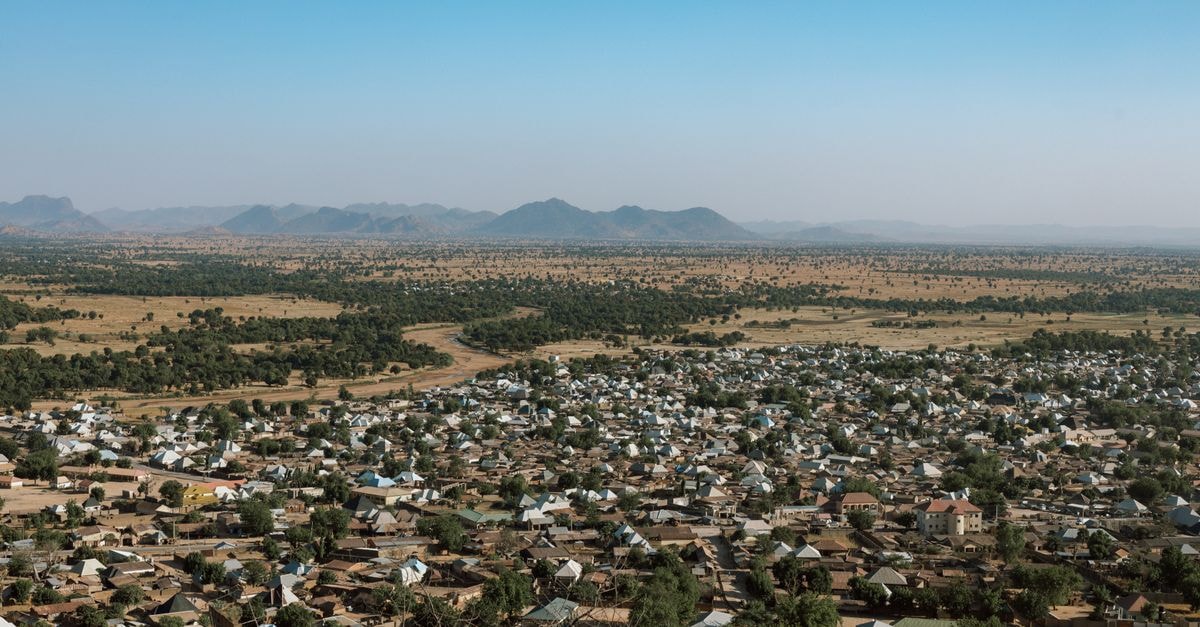
Laï sits in southwestern Chad, a small administrative centre that tends to draw travellers less for its monuments and more for its everyday texture. The town is described as a gateway to the rich agricultural lands of the region and is known for its daily markets and genuine local culture, a character that rewards visitors who arrive curious and unhurried rather than with a fixed checklist.
Because Laï is a regional rather than a tourist capital, the experience here leans heavily on observation, conversation and patience. The pace is slower, the infrastructure is modest, and the reward comes from paying attention to small things: the rhythm of market days, the way food is shared, and the openness of people in a place that does not see a high volume of visitors.
Weather and seasonal context
Rather than chasing a perfect temperature window, consider planning around how the day itself feels. Mornings and late afternoons tend to be the most comfortable stretches for walking through markets and streets, while the middle of the day can feel heavy. Lightweight clothing, patience with the rhythm of the day, and an acceptance that conditions can shift are more useful than any single weather forecast.
It is also worth acknowledging that this is a region where conditions are not always predictable. The same source that introduces Laï as a gateway to agricultural lands also notes that safety is variable, that regional instability is possible, and that visitors should stay in administrative centres and check current advisories before and during travel. In practical terms, that means treating weather as one part of a broader awareness rather than a standalone concern.
Food and local context
Food in Chad greets visitors with scent before sight, and mealtimes tend to feel like a shared occasion rather than a transaction. While Laï itself is best understood through its daily markets and agricultural surroundings, the food context that visitors encounter here belongs to the wider Chadian table.
Across Chad, one of the most recognisable staples is boule, a thick sorghum porridge served as a dense, dough-like sphere that steams in its own moisture when tipped onto enamel plates. Boule is traditionally a main, vegetarian-friendly element of the meal, shaped by hand and eaten communally, often accompanying a sauce or stew. For travellers, it is less a dish to order than a dish to be offered, and accepting it is part of how mealtime works.
That communal shape of eating is the part visitors tend to remember. Plates are often shared, hands and small pieces of bread are used together, and the pacing is unhurried. Travellers who are open to eating in this style tend to settle in quickly; those who prefer a more individualised, menu-style experience may want to adjust expectations rather than search for a familiar format.
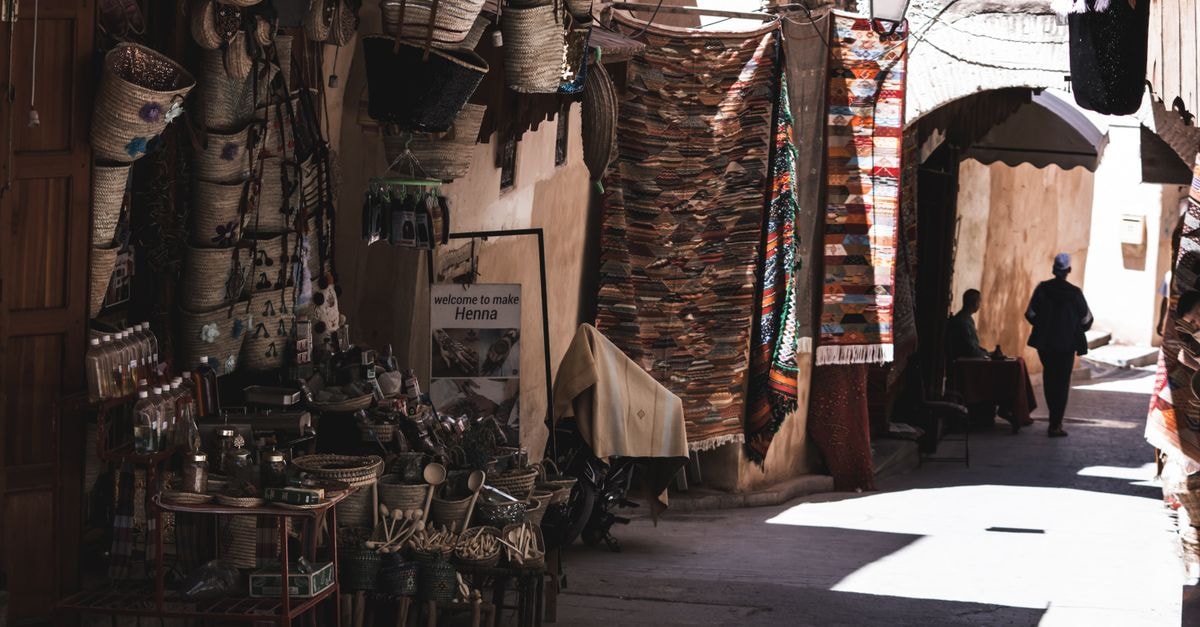
The markets around Laï are where much of this food culture becomes visible. Agricultural produce from the surrounding lands passes through, and the daily rhythm of buying, preparing and sharing food is part of what gives the town its character. A slow walk through a market morning, with time to observe rather than rush, is often the most rewarding way to engage with the local food scene.
Practical awareness for travellers
Laï rewards visitors who arrive informed rather than impulsive. The town's character as a gateway to agricultural lands and a centre for daily markets is real, but the broader context of variable safety and the need to stay within administrative centres shapes how a visit unfolds.
A few practical points are worth holding in mind:
- Treat official travel advisories as a starting point, not a formality. Conditions in the wider region can shift, and checking updates close to travel is sensible. - Anchor time in administrative centres. Staying within recognised parts of town simplifies logistics and aligns with local guidance. - Approach the markets with patience and respect. They are working spaces first, and a slow, observant visit tends to be welcomed more than a hurried one. - Build flexibility into the day. Heat, infrastructure and the rhythm of local life all favour visitors who are not racing between fixed appointments.
There is no single script for visiting Laï, and that is part of its appeal. The town offers a window onto a region shaped by agriculture, daily trade and a food culture that values sharing. Travellers who arrive with modest expectations, a willingness to learn the local pace, and attention to official guidance will find a more rewarding experience than those chasing a conventional tourist route.
Factual travel conditions can change, and official channels should be checked before departure. Rates, schedules and on-the-ground details may shift, and local advice at the time of travel is always the most reliable reference.
Share this article
TOOLS FOR THIS PLAN
Make the Laï plan measurable
Choose a tool only when it answers the next question in your trip. Your values stay in the browser, and each tool offers a route back to this planning context.