Laibin Travel Guide: Culture, Canyons and Quiet Parks in Guangxi

Laibin sits quietly in the heart of the Guangxi Zhuang Autonomous Region, a prefecture-level city whose identity is shaped less by skyline and more by the cultures that have lived along its rivers for generations. It is described as the cultural capital of the Yao people, and it is also home to a large Zhuang community, which together give the city a layered ethnic character you start to sense in everyday life rather than only in museums.
For travelers who like destinations that reward curiosity about regional China, Laibin offers a gentler pace than the big Guangxi hubs, with natural scenery, cultural landmarks, and leafy urban spaces all within reach of one another.
Setting and Cultural Context
Laibin is located in central Guangxi, an inland position that places it within a region long defined by the meeting of Zhuang, Yao, Han, and other traditions. Knowing that this is the cultural capital of the Yao people, and that a large Zhuang community also lives here, helps frame what you see on the ground: from street life and market textures to the architectural details of historical sites, the city's character is plural rather than singular.
Because the cultural story is woven through the whole city rather than concentrated in a single showcase, visitors who enjoy slow exploration, reading plaques, and paying attention to decorative motifs and building styles often find Laibin more rewarding than a quick pass-through might suggest. Travelers more focused on a single, blockbuster heritage sight may want to balance expectations and plan at least a couple of unhurried days.
Nature, Canyons and Outdoor Mornings
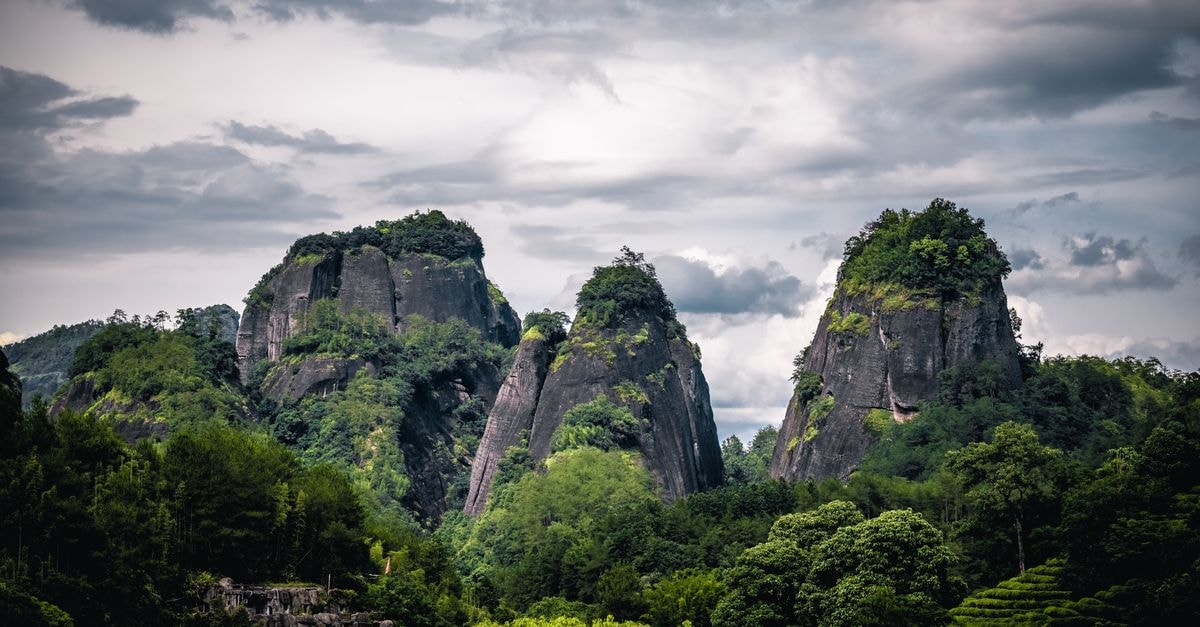
The countryside around Laibin is where the landscape opens up. A canyon in central Guangxi is described as being packed with negative oxygen ions, with mornings suited to stream trekking and waterfall viewing. Phrases like that hint at the kind of place where you lace up early, follow a watercourse, and let the humidity and forest sounds set the pace of the day.
If you prefer an active morning rather than a leisurely city breakfast, this kind of canyon setting tends to appeal. Visitors who would rather avoid slippery stream sections may want to ask locally about gentler lookouts or paved viewpoints before committing to a full trek, since the source describes the activity rather than the surface conditions.
Because the outdoor appeal is tied to water, shade, and forest air, the experience can feel noticeably different depending on how early you start. An early start is generally a calmer way to enjoy this kind of canyon landscape than a midday visit.
Historical Architecture and Tusi Heritage
Among Laibin's historical highlights is a Tusi Yamen described as the best-preserved of its kind in Asia, often referred to as the Forbidden City of the Zhuang people, with a morning visit to the main hall typically suggested. The Tusi system was a distinctive form of local governance in historical southwestern China, and a site like this offers a window into how Zhuang leadership, ceremony, and administration were organized over centuries.
For visitors interested in architecture, ethnic history, or the political geography of southern China, this is a focal point. Travelers who prefer lively contemporary city life over solemn historical interiors may prefer to visit the site in the morning, as suggested, when it is often quieter, and then return to the city center for the rest of the day.
Because the site's status as the best preserved in Asia is part of what makes it significant, treating it as a centerpiece rather than a brief stop tends to suit travelers who enjoy this kind of heritage site.
Urban Parks and Easygoing City Time
Back in the city, two parks anchor much of the casual visitor experience: Jinhai Park and Laibin Park. These are the kinds of spaces where Laibin's everyday rhythm becomes visible, with locals walking, exercising, and gathering, especially in the cooler parts of the day. They offer a low-effort way to absorb the city's atmosphere without committing to a structured itinerary.
For travelers who appreciate green space, slow walks, or a place to sit and watch daily life, the parks are a natural fit. Visitors seeking a more energetic nightlife or a dense concentration of tourist landmarks in a small radius may find that the parks work best as a complement to, rather than the main event of, a Laibin stay.
Where to Stay in the City
Accommodation options in Laibin include a hotel referenced at 268 Liulai Road, listed under city-level lodging. This kind of central address can be useful to know when comparing options, especially if you want to stay within easy reach of Jinhai Park, Laibin Park, and the dining streets that connect them.
For travelers who value walkable access over scenic seclusion, a central address like this may suit. Visitors who would rather wake up surrounded by hills or near the canyon landscapes may prefer lodging further out and should plan transport accordingly.
Food and Wider Chinese Culinary Context
Laibin does not have its own codified cuisine school in the way that some major Chinese cities do, so dining here is best understood through the lens of broader Chinese food culture. China's regional cuisines are often described as a testament to the country's culinary diversity, with each of the eight major cuisines of China having its own characteristics. Travelers who enjoy sampling local staples, market snacks, and family-run restaurants will find plenty of room to explore.
Choosing What Fits Your Trip
Laibin tends to suit travelers who enjoy cultural layering, slow park walks, and short forays into forested landscapes, and who are happy to let heritage sites rather than nightlife set the day's tone. If you want to pair the canyon experience with the Tusi Yamen, an early canyon morning followed by a quieter afternoon at the historical site often feels balanced. If you prefer a fully urban stay, anchoring your days around Jinhai Park, Laibin Park, and central lodging can be equally rewarding.
Those expecting a dense concentration of blockbuster sights, a vibrant bar scene, or a single signature local dish may find Laibin more rewarding when treated as a cultural and natural stop rather than a high-energy city break.
A Note Before You Go
Factual travel conditions such as opening hours, ticketing, transport schedules, and on-site services at parks, the canyon area, and the Tusi Yamen can change, and details that are not explicitly covered in this guide should be confirmed through official channels before departure.
If a specific element is essential to your trip, it is worth checking directly with the site or local tourism information so your plans match current conditions on the ground.
Share this article
TOOLS FOR THIS PLAN
Make the Laibin plan measurable
Choose a tool only when it answers the next question in your trip. Your values stay in the browser, and each tool offers a route back to this planning context.