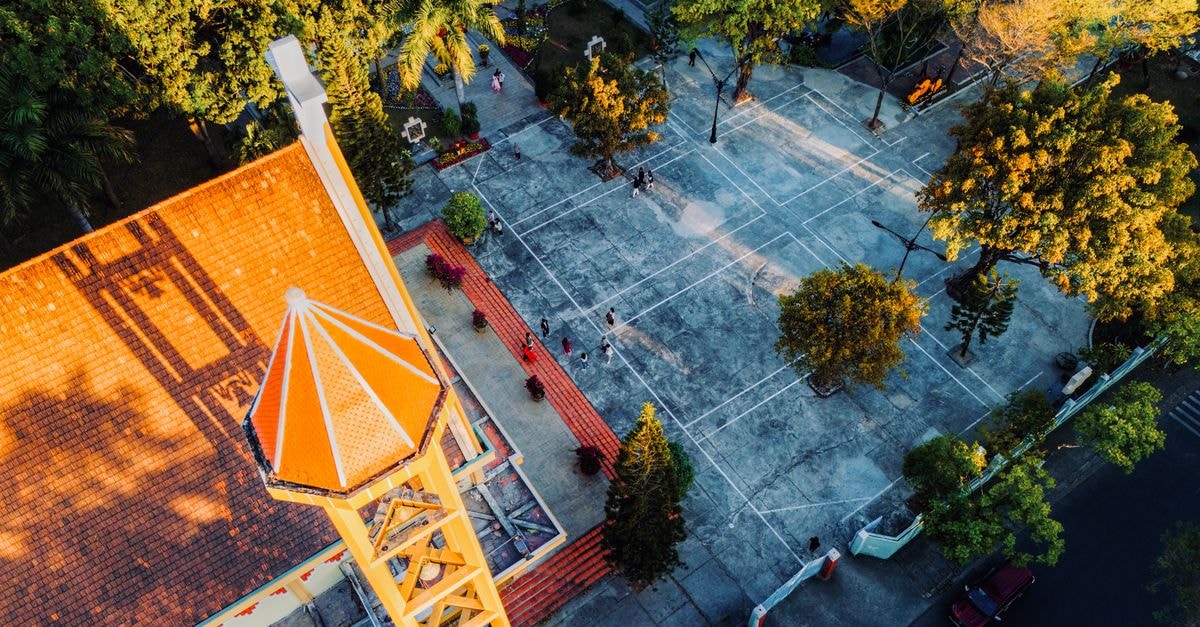
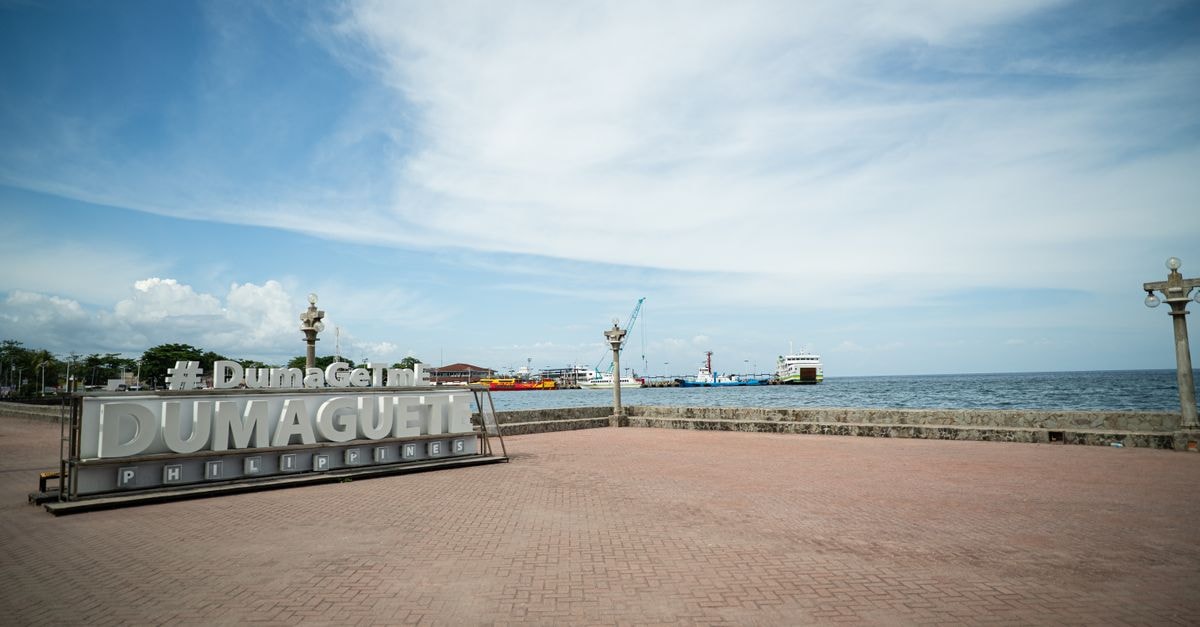
A city of light and quiet momentum

There is something gently inviting about arriving in Laoag, the capital of Ilocos Norte. The name itself carries a warm meaning in the native Ilocano language: *Laoag* translates to *brightness* or *light*, a word that captures the refreshing feeling of stepping into this corner of the Philippines. Beyond its meaning, Laoag has steadily grown as a significant hub for trade and tourism, with new commercial investments and infrastructure development shaping the way visitors experience the city.
Positioned as the central trading point of the province, Laoag also serves as the merging point and jump-off location to other tourist destinations in Ilocos Norte. That role gives the city an unusually practical energy for travellers: it is a place where you can settle in, orient yourself, and then branch outward to explore the wider region at your own pace.
Weather and seasonal context
Laoag sits in a part of the Philippines where the climate carries the warm, humid character typical of much of the country. Conditions can shift between bright, sunny stretches and overcast, rain-touched days, which can shape how a day on foot feels. The city itself functions as a hub for bus stations, jeep and van terminals going to other municipalities of the province, meaning that even on a soft, drizzly morning, there are usually covered waiting areas and a steady flow of vehicles connecting Laoag to neighbouring towns. For visitors, this means the city remains navigable even when the weather turns, and pacing the day with a mix of indoor breaks and outdoor exploration tends to feel comfortable.
Because conditions can vary, dressing in light, breathable layers and carrying a small umbrella or rain-friendly outer layer is generally a sensible habit. The interplay of sun and shade across the city's streets is part of what gives Laoag its relaxed rhythm, and slowing down to match that pace often makes the experience feel more rewarding.
Getting around
When walking isn't practical, the city offers a colourful mix of local transport. Jeepneys and buses ply routes to and from other municipalities in Ilocos Norte, making them useful for both city movement and longer provincial connections. For shorter urban hops, the colourful tricycles that traverse the urban area add a distinctly local flavour to the journey; they are easy to spot, often decorated in bright shades, and well-suited to navigating the side streets of the city centre.
The presence of bus stations, jeep and van terminals within Laoag also reinforces its role as a regional transport hub. Visitors who plan to explore beyond the city limits will find that the infrastructure for onward travel is concentrated here, which simplifies logistics considerably.
Food and local context
Dining in the Philippines carries its own gentle etiquette. Filipino hospitality is widely recognised: strangers may invite you into their homes, share their food, and go far out of their way to help. For visitors, this warmth often translates into being encouraged to try a little of everything offered. Refusing food outright is considered impolite — at minimum, taking a small portion is the gracious approach. Embracing that spirit, even in small ways, tends to open up more genuine interactions.
When it comes to the table itself, the broader Philippine culinary tradition includes beloved staples that visitors may encounter throughout the country. One such dish is adobo, served as adobong baboy at manok — a combination of pork and chicken braised in a sauce thick enough to coat a spoon, with meat so tender it yields easily to a fork. This bubbling clay-pot presentation is part of what makes the dish memorable, and versions of it can appear across many regions, including in casual eateries and family kitchens.
In Laoag specifically, the broader customs of the Philippines shape how meals are shared and offered. Accepting what's placed in front of you with a smile, joining in conversation around the table, and showing appreciation for the cook are small gestures that tend to be received warmly.
A practical rhythm for the journey
Laoag's appeal lies in its blend of accessibility and atmosphere. As a city that doubles as the capital of the province and the central hub for trading, it offers the practical infrastructure a traveller needs — terminals, transport options, and walkable distances — while still retaining a sense of place rooted in its Ilocano identity. Tourism has become a major economic driver, paving the way for new commercial investments and infrastructure development that continue to shape the visitor experience.
For independent travellers, the best approach is often the simplest: arrive, walk the core, let the tricycles and jeepneys carry you when distances stretch further, and use the city as your base for any wider provincial exploration. The brightness the name suggests is less about dramatic landmarks and more about the everyday ease of moving through a place that knows how to welcome visitors.
A note on accuracy
Travel conditions can change over time, and details such as transport schedules, local services, and on-the-ground offerings evolve. Before departure, checking official local channels and current advisories is always a sensible step. This guide reflects durable, evergreen information about Laoag and is intended as a starting point for thoughtful planning rather than a guarantee of current conditions.
Prices, opening hours, schedules, reservation rules, and local conditions can change; verify them through official channels before departure.
Share this article
TOOLS FOR THIS PLAN
Make the Laoag plan measurable
Choose a tool only when it answers the next question in your trip. Your values stay in the browser, and each tool offers a route back to this planning context.