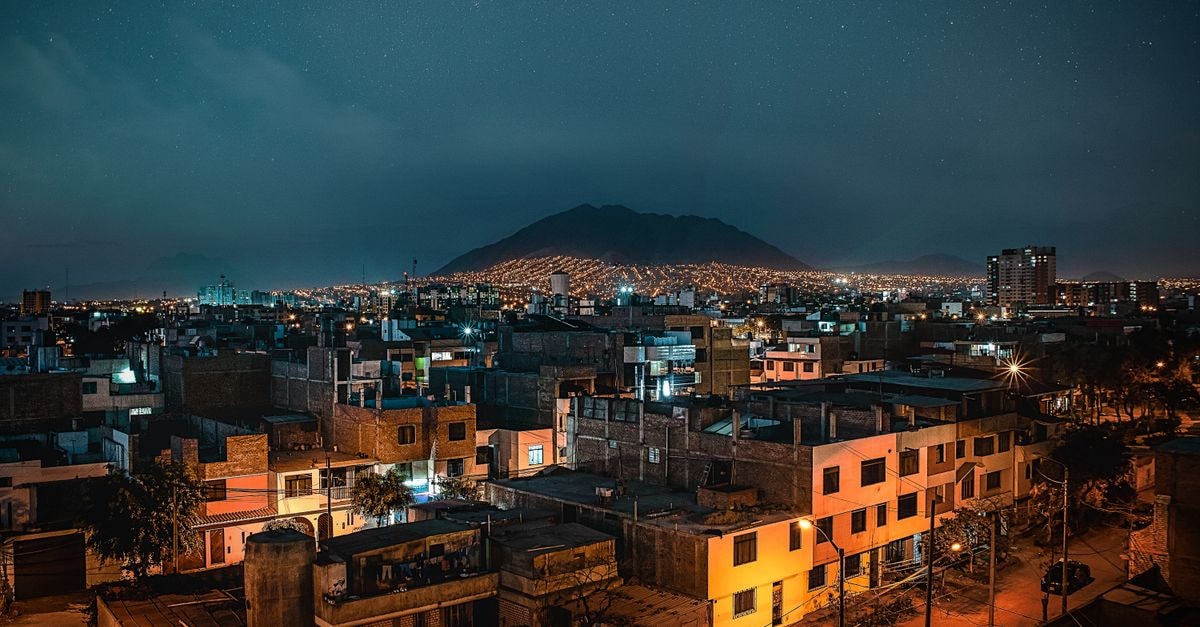
A First Look at Las Tunas

Las Tunas sits at the heart of eastern Cuba, the city that gives its name to a province long nicknamed the **"Balcón del Oriente"** (Balcony of the East). It is not the kind of place that announces itself from a guidebook cover; it tends to settle into the travel imagination slowly, through wide plazas, white-sand coastlines within reach, and a strong sense of regional identity. The phrase "Balcony of the East" captures something real here, because the province opens outward toward the Atlantic, while the city itself feels like a vantage point looking back across Cuban history.
This guide keeps its focus on what the city and its immediate region confirmably offer: a compact cultural center, coastal access within the province, and a wider Cuban food and cultural context that visitors will likely encounter in passing.
Heritage and the Urban Core
The most defining cultural landmark in Las Tunas is the **Museo Provincial General Vicente García**, a striking eclectic-style building dedicated to the history and heritage of the province. A museum of this scale, occupying an imposing structure rather than a modest gallery, signals that the city takes its role as a regional custodian of memory seriously. Travelers interested in nineteenth-century Cuban history, provincial identity, and the visual language of eclectic Cuban civic architecture may want to set aside time here.
Just outside the museum, the **Plaza de la Revolución de Las Tunas** extends into a wide open square dedicated to Major General Vicente García, the same figure honored inside the museum. A walk across the plaza also brings visitors to the **Brígida Zaldívar Park**, named in honor of his wife. The pairing of monumental plaza, commemorative park, and provincial museum creates a small, walkable heritage triangle in the city center, one where civic memory, architecture, and everyday public life intersect.
The eclectic style of the museum and the scale of the surrounding plaza suggest a city that values its public spaces. For travelers who prefer urban exploration that moves between shaded benches, open squares, and indoor cultural stops, this part of Las Tunas rewards a slower pace.
The Wider Province and Its Coastline
While this guide keeps its focus on the city, the province surrounding Las Tunas strongly shapes how visitors think about a trip here. The region is described as having **36 beaches**, characterized by fine white sands and crystal clear turquoise waters. That is not a casual detail; it reframes Las Tunas as a gateway rather than an endpoint, with coastal scenery and beach time as realistic options within the same administrative region.
Within the province, **Puerto Padre** is singled out as a port city of note. The source language describes it as the most beautiful port city of Las Tunas, opening its gates for visitors to enjoy its history and idyllic beaches. This guide does not turn that into a recommended day trip, because no approved fact establishes the current road conditions, transit time, or service availability between the two cities. Travelers with curiosity about Puerto Padre should treat it as a separate question for local inquiry rather than an assumed excursion.
The combined effect of the museum, the plaza, and the province's coastal reach is that Las Tunas suits travelers who like combining a compact cultural base with the option of broader regional exploration, without the pressure of a tightly packed urban checklist.
What the City Sits Within
Las Tunas is described as part of a region where the cities of **Las Tunas** and **Puerto Padre** together make a visit an unforgettable experience. The pairing in the source material is presented as a regional narrative rather than as a specific transit recommendation, so this guide treats it as context. The takeaway for travelers is that the province reads as a two-city experience in the regional imagination, with Las Tunas as the cultural anchor and Puerto Padre as the coastal counterpart.
For visitors, this means pacing matters. A trip built only around the city's museums and plazas will feel very different from one that also leaves room for the broader provincial landscape. Travelers who prefer to anchor themselves in a single urban base and explore outward gradually may find Las Tunas fits that rhythm naturally.
Food and Local Context
Cuba's food culture is shaped by a layered history, and visitors to Las Tunas will encounter that context whether they eat in private paladares, family kitchens, or shared meals. The most traditional staple in Cuba is **Taíno cassava bread**, made from the yuca plant, which has been cultivated in the western hemisphere for thousands of years. That heritage is not framed as a Las Tunas specialty, but rather as a wider Cuban tradition visitors may come across in the city.
Spanish influence shows up across Cuban tables as well, often through dishes such as seafood paella, where the flavors described as **Abuela's** (grandma's) style evoke a domestic, generational cooking tradition. Sweets made from tropical fruits like **mamey** also connect contemporary Cuban kitchens to an indigenous past. These are countrywide references rather than city claims, so travelers should expect them as part of the general Cuban dining landscape rather than as a specific Las Tunas menu.
For travelers with dietary curiosity, this context suggests that meals in Las Tunas are likely to blend cassava-based staples, seafood with Spanish roots, and tropical fruit flavors. Specific restaurants, prices, menus, or opening hours are not established by the approved evidence, so those details should be checked locally rather than assumed.
Cultural Currents Visitors May Notice
Cuban cultural life carries the visible imprint of **Santería (Regla de Ocha)**, described as Cuba's most widespread religion, blending West African Yoruba spiritual traditions with Catholic saints. This is nationwide context rather than a Las Tunas-specific claim, but visitors moving through neighborhoods, music scenes, and community life across Cuba may notice its presence. For travelers interested in Afro-Cuban heritage, religious syncretism, or local cultural festivals, this is part of the surrounding atmosphere to be aware of, without assuming any specific city venue or event.
In Las Tunas, this wider cultural backdrop pairs with the city's more visible nineteenth-century civic heritage. The result is a destination where travelers can engage with both formal history, through the museum and plaza, and the everyday cultural texture of Cuban life.
Choosing What Fits the Trip
For travelers deciding whether Las Tunas fits their plans, the tradeoffs supported by the evidence are fairly straightforward. The city offers a compact, walkable cultural core anchored by the eclectic-style **Museo Provincial General Vicente García**, the commemorative **Plaza de la Revolución**, and the adjacent **Brígida Zaldívar Park**, making it a natural fit for visitors who enjoy heritage-focused urban walking.
At the same time, the surrounding province is described as having **36 beaches** and includes **Puerto Padre** as a recognized coastal city, which broadens the trip beyond a purely urban experience. Travelers who prefer to anchor themselves in one cultural base while keeping coastal scenery within reach may find this balance appealing.
A short verification note before departure: because factual travel conditions such as museum opening hours, plaza access, regional transit, and local food availability can change, official local channels and on-the-ground inquiry remain the most reliable way to confirm current details before acting on this guide.
Prices, opening hours, schedules, reservation rules, and local conditions can change; verify them through official channels before departure.
Share this article
TOOLS FOR THIS PLAN
Make the Las Tunas plan measurable
Choose a tool only when it answers the next question in your trip. Your values stay in the browser, and each tool offers a route back to this planning context.