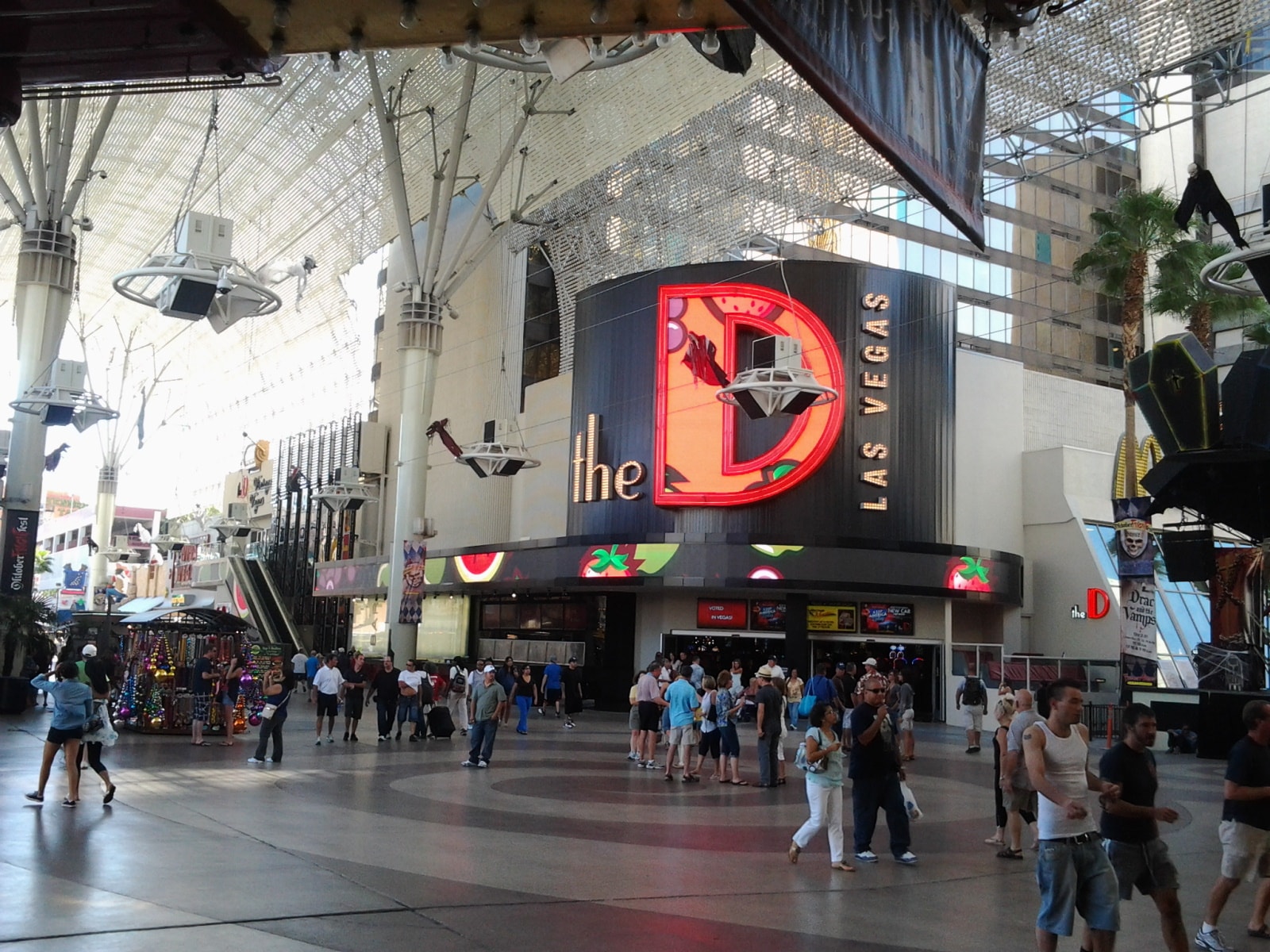
Las Vegas has a way of announcing itself before you ever set foot in the city. Glittering resort fronts, music drifting across the Strip, and the steady hum of a place that never quite clocks out. For a first-time or returning traveler, the trick is cutting through the sensory overload and finding a rhythm that works for you. This guide is built for that: a steady, practical map of how to move through the city, what to put on your short list, and how the food scene really feels once you look past the buffets.

Weather and seasonal context
Las Vegas sits in the Mojave Desert, which shapes how the city breathes across the year. Locals and frequent visitors tend to think of the calendar in broad seasonal strokes rather than four equal quarters, and the local press often groups the year the same way: spring as the peak season, summer as a stretch to survive the desert heat, fall as a favorite among residents, and winter as bright days paired with cold nights. That framing is useful because it tells you what kind of trip you are walking into.
What it means in practice is simple. Daytime hours can be intense, especially in summer, while mornings and evenings stay comfortable for long walks. The city is built for this rhythm: indoor attractions, shaded courtyards, air-conditioned corridors between resorts, and a transportation system that lets you move from casino to casino without spending the afternoon in the sun. When you plan your day, think in two arcs: a slow morning, an indoor afternoon, and an evening that opens back up to the streets. Travelers who pace themselves around the temperature curve tend to have a much better time than those who try to fight the clock.
Getting around
Las Vegas is a car city at heart, but you do not need a car to enjoy the core of the Strip. The Las Vegas Monorail is consistently highlighted as the most efficient way to move between major resort properties, and for many visitors it becomes the backbone of the trip. It runs along the east side of the Strip and connects several of the biggest hotels and the Las Vegas Convention Center, which makes it especially useful during large conventions and event weeks when road traffic tightens up. If your plans are concentrated on the resort corridor, the monorail can replace a surprising number of cab rides.
Beyond the monorail, Las Vegas offers a broader public transportation network that includes buses serving the Strip, downtown, and outlying neighborhoods. The bus system is slower and less intuitive than the monorail, but it stretches much further across the valley and can be a budget-friendly option if you want to explore beyond the resort corridor. Ride-shares and taxis fill in the gaps for late nights, and the famous Las Vegas Strip itself is genuinely walkable, especially in the central section where resorts are connected by overhead bridges and interior walkways. The practical takeaway: lean on the monorail for resort-to-resort hops, walk the Strip in the cooler hours, and save ride-shares for late nights or for destinations outside the resort corridor.
Attractions and planning
The Strip gets most of the attention, and rightly so, but Las Vegas has a quieter cultural side that rewards a little planning. The Origen Experience at the Nevada State Museum is a good example. It is built around seventy-five permanent interactive exhibits and an indoor theater that walks visitors through the full history of Las Vegas, from its earliest chapters through the neon decades to the present.
The resort corridor has its own set of marquee experiences, and a few of them have become so closely identified with the city that they feel almost required viewing. One such experience is a choreographed water show on the Strip: during the show, water shoots four hundred and sixty feet into the air, and Las Vegas Weekly has called it the city's best attraction. Beyond that, the resort corridor offers resident shows, rotating residencies, observation decks, and a handful of indoor thrill rides that double as air-conditioned retreats. The natural shape of a Las Vegas itinerary is to anchor one or two headline experiences per day and leave room to wander between them.
Food and local context
Las Vegas is one of the great eating cities in the United States, but it is worth being honest about what that means. The dining scene is built around a handful of patterns: destination restaurants inside the major resorts, chef-driven independent spots that have grown up over the last decade, late-night kitchens that never seem to close, and a buffet culture that has defined the city for generations. The local press often frames the cuisine as a reflection of the city's cultural mix, which is fair, but it is also honest to say that Las Vegas does not have a deep roster of dishes that originated here. The strength of the food scene is variety, originality, and the willingness to take risks, not a single signature plate.
What that means for you is that Las Vegas rewards curiosity more than it rewards a checklist. You can eat extremely well at a celebrity chef restaurant inside a resort, and you can also eat extremely well at a small neighborhood spot far from the Strip. Buffets remain a Las Vegas institution and a perfectly legitimate way to spend an evening, especially for first-time visitors who want the full sensory experience. Independent restaurants across the valley have built loyal followings around specific dishes, and those signature plates have, in many cases, become as recognizable as the restaurants themselves. The simplest approach is to balance one or two landmark dining reservations with room for spontaneous meals, because some of the best meals in the city are the ones you did not plan.
A practical rhythm
Factual travel conditions can change, so it is always worth confirming transit schedules, attraction hours, and reservation policies through official channels before you go. The bones of the city stay the same, but the details shift.
Share this article
TOOLS FOR THIS PLAN
Make the Las Vegas plan measurable
Choose a tool only when it answers the next question in your trip. Your values stay in the browser, and each tool offers a route back to this planning context.