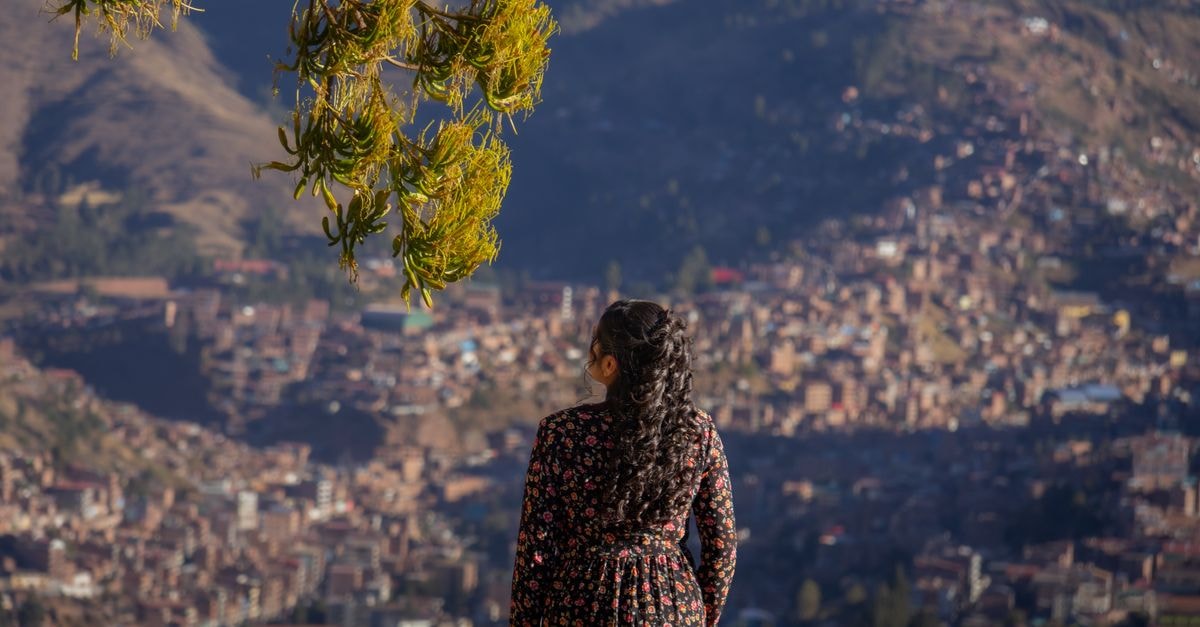
A quiet Andean waypoint with a giant neighbor

Latacunga sits in the central highlands of Ecuador as a small, workaday city best known to travelers for one big reason: it is one of the conventional southern gateways to Cotopaxi National Park. The streets feel measured rather than bustling, the surrounding valleys are wide, and the skyline has that particular Andean habit of putting a snow-capped silhouette on the horizon. Most visitors do not come to Latacunga to linger inside the city itself; they come because it is a sensible place to pause, adjust to the altitude, and orient before pushing on toward the volcano.
That orientation is the practical heart of any Latacunga trip, and it shapes everything else in this guide.
Weather and seasonal context
There is a simple reason guides frame the journey this way. Higher elevations around Cotopaxi demand a slower pace than many visitors are used to, and one practical suggestion echoed across regional travel notes is that ordinary tourists can rest and adjust in a restaurant at the park entrance before going further. It is a small thing, but it works. A coffee, a warm meal, and a slower twenty minutes at a lower altitude often make the rest of the day on the volcano feel noticeably easier.
Getting in and moving on
Latacunga is not difficult to reach, but it is also not the kind of place that meets visitors with a dramatic arrival sequence. Travelers typically come from Quito, either by public bus or by arranging a private vehicle for the run south. The road follows a familiar highland corridor, and the city appears gradually, framed by the long ridge of the Cordillera.
Once in Latacunga, the practical decision is whether to base in the city and commute, or to push straight through toward Cotopaxi. Both approaches are reasonable. Staying a night or two in town gives travelers a softer acclimatization window, easy access to simple meals, and a calmer place to rest before or after a high-elevation day. Pushing through is fine for travelers who have already spent time at altitude elsewhere in Ecuador.
For the park itself, the available options are simple and worth understanding in advance. Travelers can take a local bus toward Cotopaxi, or hire a private vehicle to enter the national park more directly. A private vehicle tends to give more flexibility for stopping at viewpoints along the access road; a bus keeps things straightforward and is the more common choice for budget-conscious travelers. Either way, the day is shaped by the mountain rather than by a tight schedule.
It is worth treating onward transport with the same patience. The same road that brings visitors in carries them out again, and drivers are used to the rhythm of park days that start early and end late.
Food and local context
Latacunga itself is a working highland city, and the food a visitor encounters here tends to be the everyday food of the Ecuadorian highlands rather than anything specific and famous to the city. That everyday food, though, is one of the more interesting parts of an Ecuador trip, because Ecuadorian cuisine is less about a single iconic dish and more about how the country's geography keeps showing up on the plate.
Wider Ecuadorian food culture is built from a long conversation between coast, sierra, and Amazon, with Indigenous, Spanish, and African influences layered on top. A useful framing is the one offered by cultural writers who describe Ecuadorian cuisine as memory made edible: a place where each region carries its own ingredients, its own rhythms, and its own small traditions, and where the national table is really a patchwork of local tables. Travelers moving through Latacunga are sitting in the middle of that sierra conversation, and the meals here tend to be hearty, warm, and grounded in the agricultural products of the surrounding valleys.
It also helps to know that food in Ecuador is rarely just about the dish. The country has a deep everyday food culture, and visitors tend to notice it in small things: the way a meal is shared, the way a market day organizes a town, the way a long bus ride seems to always include a stop for something warm to drink. Cultural writing about Ecuador often emphasizes this point, framing cuisine as a quiet daily practice rather than a list of famous recipes. For visitors spending time in the highlands around Latacunga, that everyday quality is exactly what is on offer: simple, regional, and unhurried.
Within the country as a whole, Ecuadorian cuisine is also shaped by the kind of cultural layering that visitors encounter everywhere in daily life. From the language of the street to the music on the radio, from the textiles on the market stalls to the words people use for everyday things, Ecuador presents itself as a place where Indigenous and Spanish-speaking traditions continue to share space. Food is part of that pattern, and a traveler who slows down enough to notice will see the same layering in the kitchens of the sierra.
Because Latacunga is a transit point rather than a culinary destination, the practical advice is modest: eat what is in front of you, eat where locals are eating, and treat meals as part of acclimatization rather than as a separate sightseeing agenda. The food will not usually be the reason a traveler came to Latacunga, but it tends to be a quietly good part of being there.
A note for travelers
Latacunga is, in the end, a calm, useful, slightly under-the-radar Andean city whose main role in most itineraries is to make a day on Cotopaxi feel easier. Visitors who treat it as a soft base rather than a checklist of sights tend to have the best time here.
Practical conditions in Ecuador can change, and park access rules, road conditions, and weather on the volcano can all shift without much warning. Official channels and current local guidance should be checked before departure, and live conditions should be confirmed on the day.
Currency and exchange details are useful only as a reference; readers should always check the live rate before exchanging money or budgeting in any currency other than their own.
Share this article
TOOLS FOR THIS PLAN
Make the Latacunga plan measurable
Choose a tool only when it answers the next question in your trip. Your values stay in the browser, and each tool offers a route back to this planning context.