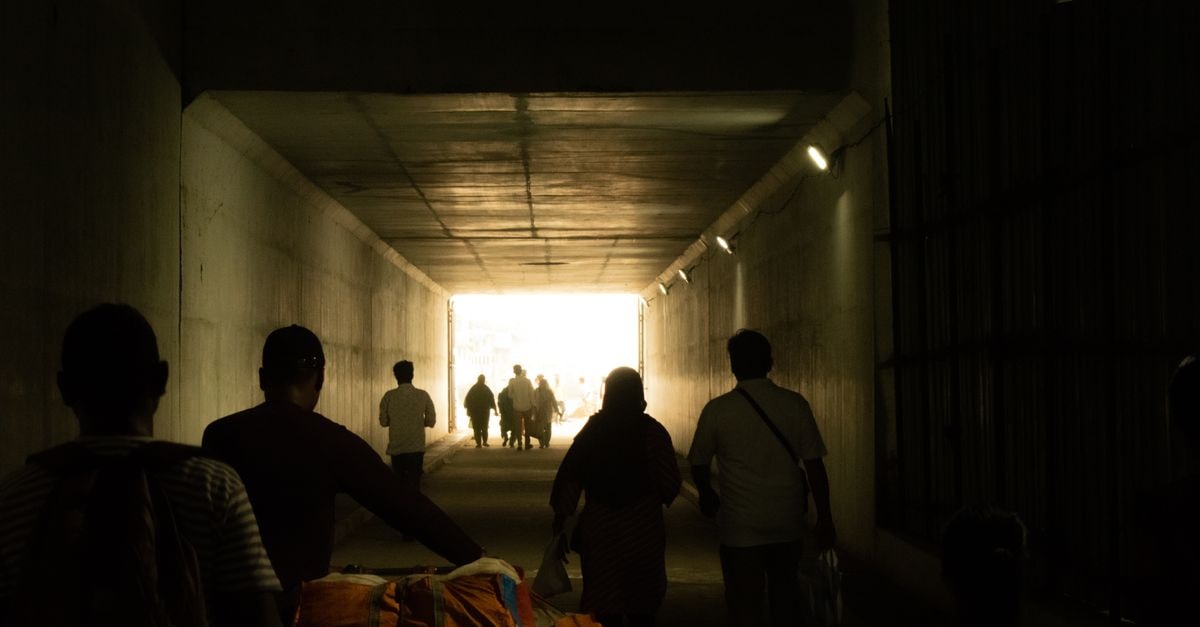
Just north of Montréal, Laval sits on Île Jésus, a quiet island suburb that blends residential streets with parks, riverside paths and a growing list of cultural stops. Travellers who treat it as a one-day stop on the way to Montréal often miss what makes it feel like its own place: a working metro network, a local bus system and an attractions scene built around families, museums and outdoor space. This guide focuses on the two pieces of the trip that most need a little pre-arrival thinking: how you move around, and what you actually do once you arrive.

Getting around
Laval's local public transit is run by the Société de transport de Laval (STL), whose buses cover the whole city and form the backbone of day-to-day movement here. If you are staying anywhere in Laval and want to reach a specific neighbourhood, the bus network is the place to start.
For trips that connect Laval with Montréal, the metro is the simplest option. Laval has three metro stations: Cartier Terminal, De La Concorde intermodal station and Montmorency Terminal. Travellers who like the idea of one ticket covering both bus and metro will find that combining modes is straightforward, since the STL page itself frames Laval as a place where you can move between the metro, train, REM and other buses in a single trip. If you are planning to spend mornings in Montréal and evenings in Laval, the metro is genuinely the calmest way to do it.
For independent travellers who prefer not to rent a car, this layered system — local bus for cross-city hops, metro for the Montréal bridge — is worth understanding before you arrive. It shapes where you choose to base yourself. Staying near Cartier, De La Concorde or Montmorency makes metro days easy; staying deeper into the residential neighbourhoods makes the STL bus network your everyday companion.
Attractions and planning
Laval reads, in most guides, as a city with a wide spread of attractions rather than one or two headline sights. One local travel overview lists the obvious categories a traveller would want to think through before arriving: where to stay, the top attractions and activities, museums and kid-friendly stops, outdoor adventures, and the food and drink scene. That breadth is useful because it tells you the city does not lean on a single landmark. Instead, the planning question is which mix of categories fits your trip.
The same source describes the experience as filling several days of varied activities, which is a fair signal that Laval rewards a slower pace. Travellers who like to tick off a single famous site in two hours may find the city underwhelming; travellers who enjoy combining a museum with a riverside walk and a meal in a different neighbourhood tend to feel rewarded.
Two practicalities follow from that shape. First, attractions in Laval tend to be spread across the island rather than clustered in one walkable core, so build your day around one or two anchors and let the bus or metro handle the gaps. Second, because the city covers several categories — museums, kid-friendly stops, outdoor space and food — it suits travellers who want flexibility. If you are travelling with people whose energy levels and interests vary across a day, having a museum stop, an outdoor option and a casual food and drink moment in your back pocket makes the day easier to shape.
Choosing what fits your trip
The way Laval is described in local guides — spread across categories rather than built around one landmark, and reachable through a layered transit system — suggests a city that rewards a particular kind of planning. If you like the idea of mixing a museum morning with an outdoor afternoon and ending with food and drink somewhere new, Laval's structure lines up well with that rhythm. The three metro stations also mean you can keep one foot in Montréal, which suits travellers who want suburban calm with easy city access. If your travel style leans toward a single dense historic centre you can cover on foot in a day, Laval may feel quieter than you expect; in that case, plan to lean on the STL bus network to reach specific anchors rather than wandering between neighbourhoods.
A note before you go
Factual conditions — bus routes, metro station names, attraction line-ups and opening details — can change. Before you travel, check the STL site for current route and fare information, the STM or Laval transit page for metro service updates, and the official site of any specific attraction you plan to visit. Treat the points above as a planning map, then verify the live details closer to your trip.
If you have one specific question worth answering before you book, consider this: whether you would rather base yourself near one of Laval's three metro stations for easy Montréal days, or stay deeper in the residential neighbourhoods and rely on the STL bus network. That single choice shapes how the rest of your trip will feel.
Prices, opening hours, schedules, reservation rules, and local conditions can change; verify them through official channels before departure.
Share this article
TOOLS FOR THIS PLAN
Make the Laval plan measurable
Choose a tool only when it answers the next question in your trip. Your values stay in the browser, and each tool offers a route back to this planning context.