Overview

There is a particular pleasure in arriving at a Chinese city that the rest of the world has not yet discovered, where canals still define the skyline and the pace of the day feels unhurried. Liaocheng, in western Shandong, sits in that category. It is known for its canal-side setting and for its place along one of China's most historic waterways, and it rewards travelers who arrive with curiosity rather than a packed agenda. This guide is written for the visitor who prefers strolling between landmarks, lingering over a plate of sesame flatbread, and noticing how a city's history quietly shapes its present.
Weather and seasonal context
Liaocheng has a warm temperate monsoon climate with semi-dry continental characteristics, which translates in practical terms into noticeable seasonal swings and a generally dry feel outside of the wetter summer months. Travelers who prefer mild conditions for long walks along the water often find the shoulder seasons easiest, while the peak of summer can feel hot and humid under the monsoon influence. A layered approach to clothing usually works well, since mornings and evenings can feel cool even when afternoons warm up. Carrying a light scarf or jacket is a small habit that pays off near the canals, where breezes can pick up unexpectedly. If you are sensitive to humidity, pacing outdoor sightseeing to the cooler parts of the day, with a relaxed lunch in between, tends to make the city feel far more comfortable.
Getting around
Liaocheng functions as a transportation hub for western Shandong, anchored by the Beijing-Kowloon Railway and a growing network of high-speed rail connections. The two main stations, Liaocheng Railway Station and Liaocheng West Railway Station, tend to sit near the city's commercial centers and the practical hubs where travelers change buses, grab taxis, or meet ride-share drivers. For visitors who plan to explore beyond the immediate center, rental options offer greater independence than relying solely on public transport, though ride-sharing and local buses remain convenient for shorter trips. A sensible pattern is to use public transit or a taxi for the canal-side core, where landmarks cluster, and to consider a rental only if you want to range further afield into the wider region. Because schedules and platforms can shift, it is worth confirming your specific train and station details before you travel.
Attractions and planning
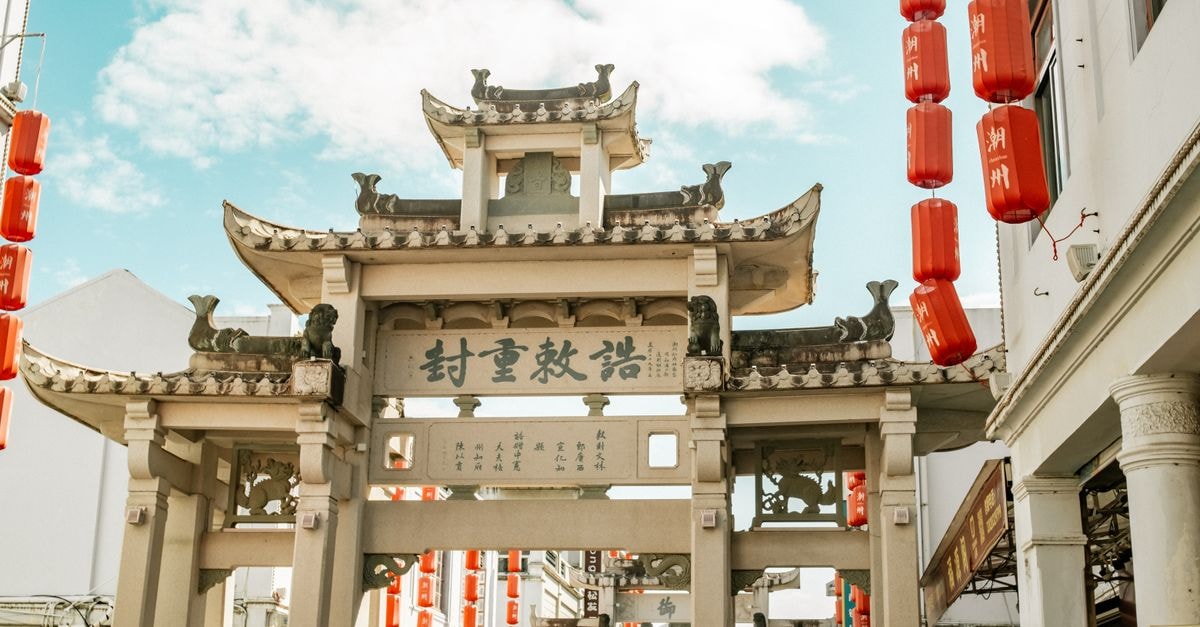
The cultural spine of Liaocheng is its canal heritage, and the city holds several sites that bring that story to life. The China Canal Culture Museum is the natural starting point for anyone who wants to understand why this stretch of the Grand Canal mattered so much to merchants, officials, and travelers over the centuries. A short walk from the museum, the Dongcha Shanshan Guild Hall, sometimes described as the Pillar of Dongcha Shanshan Guild Hall, offers a different angle: a glimpse into the trading networks that once linked Shanxi and Shaanxi merchants with this corner of Shandong. Together, the two sites sketch a portrait of a city built on water and commerce.
For a slower afternoon, Dongchang Lake offers a welcome contrast to the museum halls. Framed as a serene urban oasis in the heart of the city, it gives visitors a chance to sit, watch the light change on the water, and let the canal setting sink in. Travelers who enjoy photography often find the lake most rewarding in the soft light of early morning or late afternoon, when the surrounding architecture reflects on the surface. If you prefer a quieter visit, arriving just after opening or closer to sunset tends to mean fewer groups and a more contemplative atmosphere.
Because opening hours, ticket details, and temporary closures can change, it is worth verifying the latest information for each site before you set out, especially if you are visiting during a local holiday period.
Food and local context
Liaocheng cuisine belongs to the broader Western Shandong tradition, known for hearty, flavorful dishes that suit a climate with cooler winters and warm summers. Staples tend to be filling and satisfying, designed for the working rhythm of a canal trading city. Among the signature items visitors often encounter is Wudaoying Shaobing, a savory layered sesame flatbread that can be eaten on its own or filled with meat or vegetables. It is the kind of food that invites a slow stroll afterward, and pairs naturally with the canal-side atmosphere.
Eating in Liaocheng is generally an unhurried affair, and visitors who treat meals as part of the sightseeing, rather than a pause between sights, tend to get the most out of the city. Small family-run bakeries and casual eateries are part of the texture of daily life here, and trying a shaobing fresh from the oven is one of the simplest pleasures the city offers. As with any regional cuisine, menus and recommended dishes can change, so confirming current options on arrival is a useful habit.
Choosing what fits your trip
A short stay of a couple of days is usually enough to take in the canal museum, the guild hall, and Dongchang Lake at a relaxed pace, with time left for wandering the surrounding streets and sampling local food. Travelers who arrive by high-speed rail and plan to focus on the historic core can rely comfortably on public transport and taxis, while those who want to explore the wider region may find a rental more convenient. Visitors who enjoy photography, history, or slow food culture often find Liaocheng especially rewarding, since the city rewards attention rather than speed. If your priority is a packed urban itinerary with nightlife and major contemporary attractions, you may want to reconsider whether Liaocheng matches that style of travel, as its appeal lies more in heritage and atmosphere than in scale.
A note before you go
Travel conditions, including transport schedules, opening hours, and site access, can change without notice, and the information in this guide reflects the broader picture of Liaocheng rather than the details of any specific day. Please check official channels for the latest updates on trains, museums, and local services before and during your trip.
Share this article
TOOLS FOR THIS PLAN
Make the Liaocheng plan measurable
Choose a tool only when it answers the next question in your trip. Your values stay in the browser, and each tool offers a route back to this planning context.