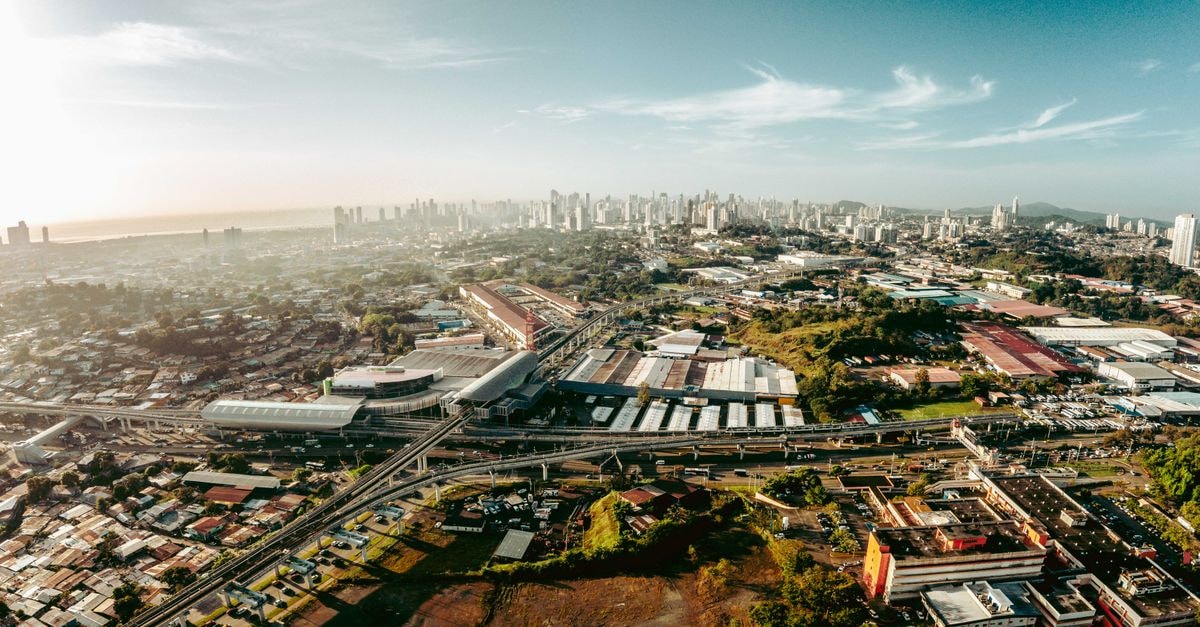
A relaxed first impression of Liberia

There's a particular kind of quiet anticipation that settles in when a trip begins at a smaller regional airport rather than a capital hub. Liberia carries exactly that feeling. As the principal city of Costa Rica's Guanacaste Province, it greets visitors with an unhurried rhythm and the warm, dusty light that drifts across the region's open landscapes. Travelers passing through on their way to the coast often find themselves slowing down a beat, drawn in by shaded central squares and the easy pace of a town that has grown alongside travelers without losing its colonial-era character.
This guide keeps the focus tight: what arriving in Liberia actually feels like, how the local climate shapes the way days unfold, and the practical context that helps a first-time visitor move with confidence. It is built to serve as a calm, useful companion before wheels go down in Guanacaste, not an exhaustive list of every possible stop in the region.
The city's quiet character
Liberia is regularly described as the Guanacaste capital, a colonial city with a working civic heart. The town blends its historic setting with everyday Costa Rican life, and it functions as a natural base for travelers exploring the wider province. Beyond its role as a gateway, the city itself rewards a slow afternoon: a stroll through its central streets, a pause at a small plaza, and the kind of unscripted wandering that reveals the texture of a place more honestly than any checklist could.
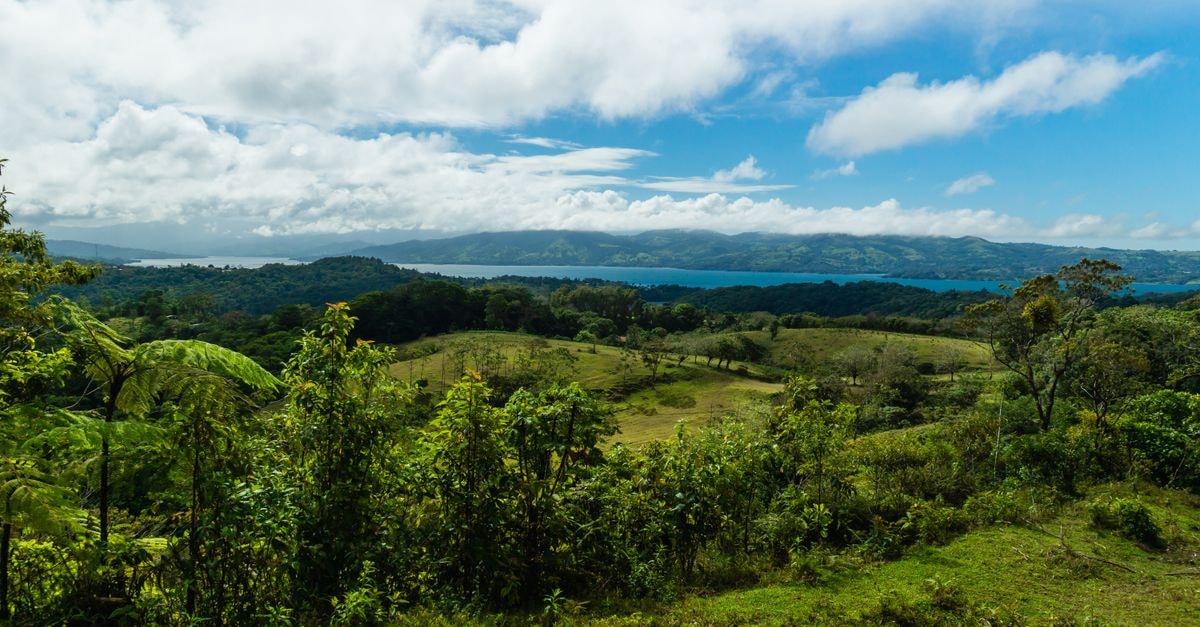
The character of the city is also shaped by its surroundings. Liberia sits in a part of the country known for dramatic dry-season landscapes, a setting that gives the area a different visual identity from the lush, rainforest-facing Caribbean coast. That contrast tends to be one of the first surprises for first-time visitors.
Weather and seasonal context
Costa Rica's Pacific northwest has a markedly different climate from the country's Caribbean side, and that distinction matters for how a day in or around Liberia can be planned. The region sits in a dry savanna belt, which means long stretches of sun, low humidity, and golden afternoons rather than the persistent drizzle and rainforest green that travelers sometimes expect from Costa Rica imagery. Open skies and warm temperatures tend to define the experience here.
That drier climate has practical effects. Outdoor plans, whether that's a relaxed walk through the city, a coffee on a shaded patio, or a longer afternoon out in the surrounding countryside, generally feel more forgiving than they might in a wetter part of the country. Sunscreen, a reusable water bottle, and a light layer for air-conditioned spaces are usually enough to stay comfortable throughout the day.
Because Liberia's climate is shaped by broader regional patterns rather than a single narrow weather window, the practical advice stays steady year-round: pace outdoor activities earlier or later in the day when the sun is highest, build in shade breaks, and treat the dry light as part of the experience rather than something to escape. The Guanacaste sun tends to feel strong even when temperatures are not extreme.
Getting around and arrival logistics
Most travelers arriving in Guanacaste land at the regional airport just outside Liberia, and the city has built its rhythm around that role as a starting point for the province. The transition from plane to ground tends to be quick and informal. Roads from the airport into central Liberia are short and well signed, and the city itself is compact enough that getting oriented rarely feels overwhelming.
A few practical notes tend to come up once visitors are on the ground. The region is dry savanna rather than the wetter Caribbean coast, so dust rather than mud is more likely to be part of the roadside scenery. Locally, this is something of an identity marker: Guanacaste is known for its arid openness, golden grasses, and wide horizons, and that visual signature often surprises travelers who arrive with rainforest expectations.
Within the city, walking works well for the central core, while taxis and local shuttles are useful for connecting out to nearby points. Travelers heading onward to beaches, national parks, or other Guanacaste destinations will find Liberia to be a sensible and straightforward springboard. As one widely shared piece of regional travel advice puts it, expectations matter: don't expect the rainforest soundtrack here, and instead lean into the slower, sunnier pace that defines the area.
Reading Liberia beyond the airport
The city itself is worth more than a single overnight between flights. Its central streets offer a window into Guanacaste's working identity, one shaped by ranching culture, small commerce, and a long provincial history rather than a polished tourism script. The blend of colonial-era architecture and daily life gives Liberia a sense of place that feels distinctly its own, even when most of the province's beaches lie just a short drive beyond the city limits.
Travelers who slow down here often describe Liberia as a soft opening to the rest of Costa Rica: warm, easy to navigate, and free of the intensity that larger arrival cities can carry. It rewards a relaxed approach. A late breakfast, a wander past the central church, and a coffee under an awning can be the most memorable part of a Guanacaste trip, even before the beaches come into view.
A final note before you go
Liberia is best approached as a small, sunlit city with a clear identity rather than a stopover to rush through. Knowing that the region runs dry rather than rainforest-green, and that the city itself rewards a slower walk through its colonial core, makes the arrival feel less like a transition and more like a beginning. Pack light, plan loosely, and let the Guanacaste pace set the tone for the days ahead.
Travel conditions, from local climate details to on-the-ground logistics, can change over time. Before departure, it's always a good idea to confirm the latest information through official channels and current travel advisories so that the trip begins with the most accurate picture possible.
Share this article
TOOLS FOR THIS PLAN
Make the Liberia plan measurable
Choose a tool only when it answers the next question in your trip. Your values stay in the browser, and each tool offers a route back to this planning context.