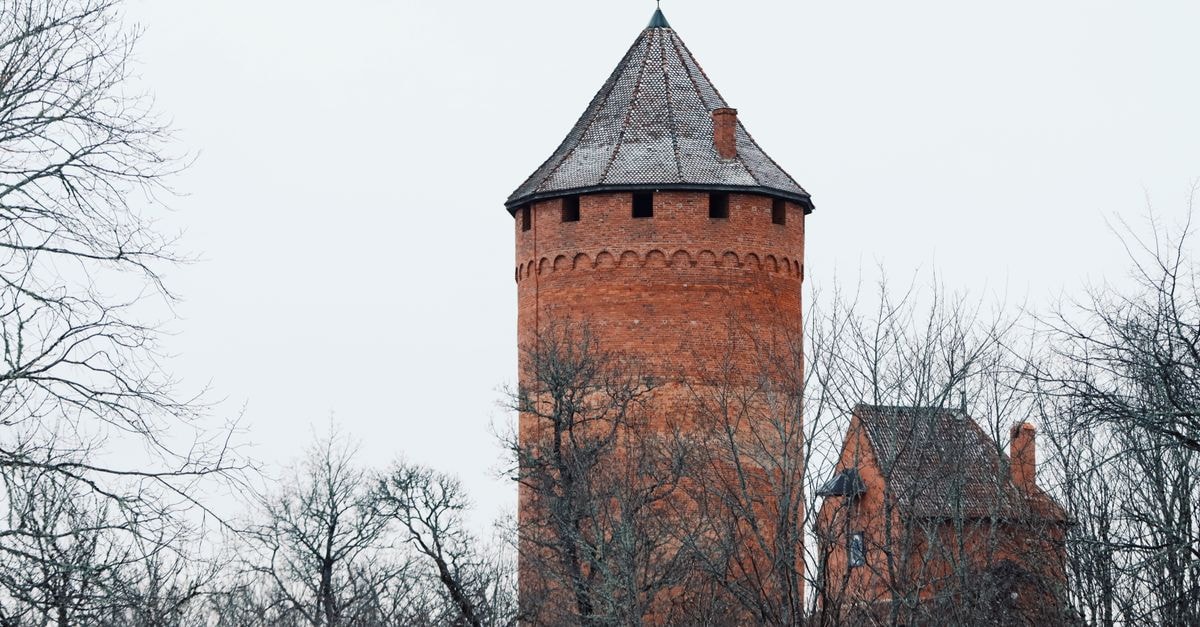
A First Look at Linz

Linz sits on the Danube in Upper Austria, a city where heavy industry, contemporary art, and an old-world riverside setting share the same skyline. The atmosphere reads less like a polished tourist postcard and more like a working Austrian city that happens to be easy and rewarding to wander. For visitors who like their European weekends a little quieter than Vienna or Salzburg, Linz offers that rare combination: a genuine sense of place without feeling like a checklist.
The old town (Innenstadt) is compact enough to explore on foot, and the broader city has a long-standing identity as a transport hub, which makes arrivals and departures refreshingly straightforward. That mix of convenience, walkability, and a less crowded cultural calendar is what makes Linz feel like a discovery rather than a default stop.
Getting Around
Linz has long been described as an important transport hub in its own right, and that history still shapes how easy it feels to arrive and move through the city. The Danube historically connected Linz with the wider region, and the Vltava River link reinforced its role as a meeting point of European routes, so the city's design around travelers is baked into its layout rather than bolted on.
Inside the city, the compact center makes walking the most pleasant way to get your bearings, and the surrounding districts are well served by public transport, so you rarely need to think hard about logistics between sights.
Attractions and Planning
The Innenstadt is the heart of Linz, the kind of historic core where a morning coffee, a mid-afternoon museum stop, and an evening stroll past illuminated facades can all happen within a handful of streets. Visitors who want to dig deeper into what is on, from temporary exhibitions to walking routes, can also opt in to receive information by post or email from the local tourism board, which is a useful way to catch smaller events that do not always make it into English-language listings.
Because Linz is compact and the Danube is never far away, a relaxed pacing works well here. You can build a loose plan around one or two anchor experiences in the old town and let the rest of the day fill in organically with riverside paths, smaller galleries, and the kind of side-street discoveries that only happen when you are not chasing a timetable.
If you are the type of traveler who likes to plan the cultural side of a trip in advance, requesting the tourism board's mailed information before you travel is a small step that pays off, especially for art and contemporary culture programming that tends to change with the calendar.
Food and Local Context
Linz sits in Upper Austria, and the city's food culture carries the weight of that regional identity. Austrian dining here leans into the kind of dishes that reward unhurried meals, generous portions, and the comfort of a tiled dining room after a day of walking.
One long-standing staple you will encounter across Austria is schnitzel, the thin, golden, pan-fried cutlet that turns up on menus from village taverns to city restaurants. In Linz, a dedicated spot for a generous, traditional version of the dish is Schnitzelhaus, where the portion is known for being hearty and the sides stay close to classic Austrian preparations rather than modern reinventions. It is the kind of straightforward, satisfying meal that suits a travel day very well.
Beyond schnitzel, Austrian food culture more broadly is built around dumplings, pastries, river fish, and the kind of soups and stews that make sense in a city with alpine and Danube influences. Linz food in particular has its own character, distinct from the Vienna stereotype that many visitors arrive with, and that is part of the pleasure of eating your way through the city.
A relaxed way to approach the food scene is to alternate between one classic Austrian sit-down meal a day and lighter stops for coffee, pastries, and the local baked goods that pop up in small bakeries around the Innenstadt. That rhythm leaves room to enjoy the city's other pleasures without rushing between reservations.
A Practical Mindset for the Trip
The most useful thing to bring to Linz is patience. It is a city that rewards slow looking: a longer coffee than you planned, a detour along the Danube, a return to the same square at dusk to see how the light has changed. Because it is also a transport hub, logistics rarely steal time from the experience, which means the limiting factor is usually how much of the day you choose to give to wandering rather than how quickly you can move between points.
Treat the Innenstadt as your anchor, build one classic Austrian meal into each full day, and let the rest of the itinerary stay loose enough to follow a recommendation or a view that catches your eye.
A Note for Readers
Factual details around transport schedules, opening hours, and tourism services can change, so it is always worth checking official channels and the local tourism board before you travel. Treat the numbers and routes mentioned here as a starting framework, and confirm the specifics that affect your own arrival and stay directly with the operators involved. Currency and pricing references, where relevant, are guides only, and live rates should be checked closer to your trip.
This Linz travel guide is intended as evergreen city guidance: useful whenever you choose to visit, with the practical anchors you need to plan a calm, well-paced Austrian city break.
Share this article
TOOLS FOR THIS PLAN
Make the Linz plan measurable
Choose a tool only when it answers the next question in your trip. Your values stay in the browser, and each tool offers a route back to this planning context.