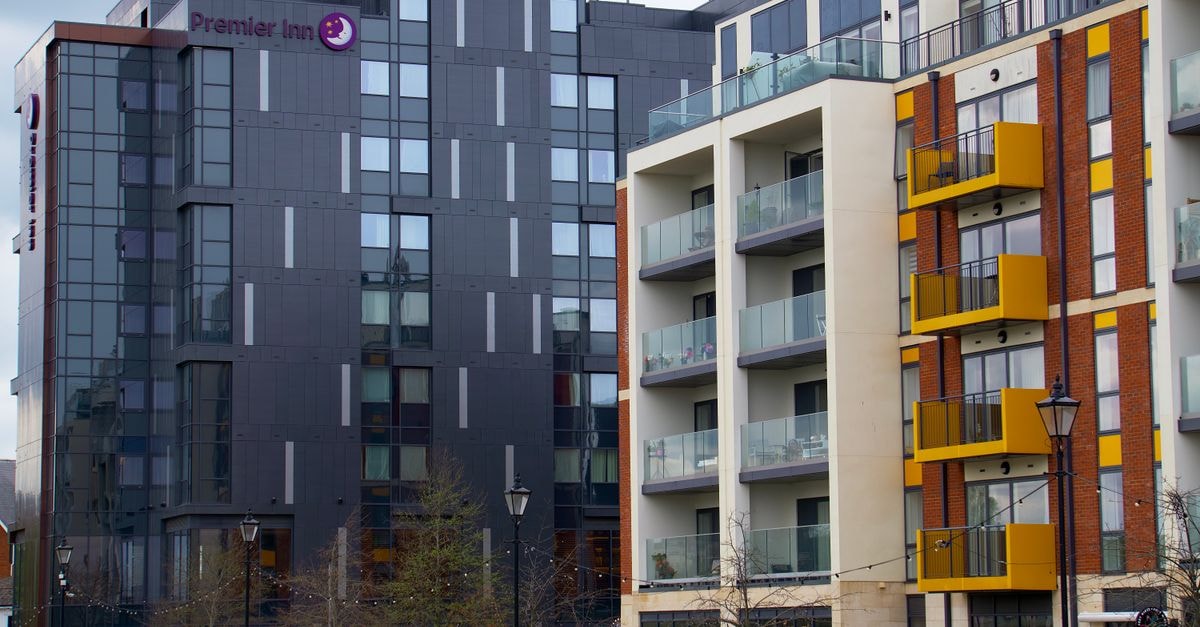
A First Look at Liverpool in July

Liverpool rewards visitors who arrive curious and willing to walk. The city centre is compact — Albert Dock to the Cavern Quarter is roughly 10 minutes on foot, and most major landmarks cluster within a 20-minute radius of Liverpool Lime Street station. In July, long daylight hours and lively waterfront activity make it easy to pack a lot into a single day. Two themes define the city: its music heritage, with The Beatles still the gravitational centre, and its maritime waterfront, where Victorian warehouses meet modern bars, museums and the famous ferry terminals.
A few things visitors expect to find are not available right now. The waterfront is mid-redevelopment, and several headline museums are closed until 2029. The good news: the rest of the city — the cathedrals, the Georgian Quarter, the Baltic Triangle, the football stadiums, and most Beatles sights — is very much open and active through summer.
July Weather and What to Pack
July is one of Liverpool's warmest and most reliably busy months. Climate data shows an average July air temperature of about 16.6°C with roughly 72.5mm of precipitation — so expect mild, occasionally showery conditions rather than Mediterranean heat. Days run long, with evenings staying light well past 9pm.
A light jacket, T-shirts, trousers or shorts, and comfortable walking shoes are the practical core. Add a compact umbrella or waterproof layer for the kind of light, Atlantic-feeling rain that can move through quickly even on otherwise sunny days. The dock stone at Albert Dock is also worth watching underfoot in damp conditions.
Getting to Liverpool and Getting Around
By train: Liverpool Lime Street is the main terminus, with direct Avanti West Coast services from London Euston (about 2 hours 15 minutes), Manchester (35 minutes), Birmingham (1 hour 40 minutes), Leeds (1 hour 45 minutes) and Edinburgh (3 hours 30 minutes). Advance tickets booked early can drop London–Liverpool fares into the £20–30 each-way range; on-the-day walk-up fares are higher.
By air: Liverpool John Lennon Airport sits roughly 8 miles south of the centre. Budget carriers including Ryanair and easyJet run European routes. The 500 Arriva Airlink bus runs every 30 minutes to Liverpool One bus station, taking about 25 minutes; a taxi to the centre is around £20–25. Manchester Airport, about 45 minutes away by train to Lime Street, offers far more long-haul options.
By car: The M62 links east to Manchester and Leeds, the M6 reaches Birmingham and the south, and the M53 runs south to Chester and North Wales. City-centre parking is tight and costly — budget around £10–20 per day for central car parks. For a sightseeing-focused trip, a car is more hassle than it's worth.
By coach: National Express and Megabus serve Liverpool from cities across the UK. Journeys are longer than train (London takes roughly 5–6 hours), but early bookings can dip below £10.
Within the city: walking covers almost everything. Merseyrail (the local urban rail network), local buses and Mersey Ferries fill the gaps, and ferries double as a sightseeing experience rather than just transport.
Attractions: What's Open and What Isn't in July 2026
This is the single most important thing to plan around. The waterfront regeneration has closed several headline museums for years, not weeks:
- Merseyside Maritime Museum: closed since January 2025, reopening expected around 2029. - International Slavery Museum: closed since January 2025, reopening expected around 2029. - Tate Liverpool dock building: closed since October 2023. The gallery is still operating, but at RIBA North on Mann Island, a short walk along the waterfront. Admission is free, open daily 10am–5.50pm.
What remains open:
- The Beatles Story, on the Royal Albert Dock, is open daily and takes roughly 1–2 hours. A multimedia audio guide in 12 languages is included. - Museum of Liverpool, Walker Art Gallery and World Museum are open and free, 10am–5pm Tuesday–Sunday; during UK school holidays they also open on Mondays, which covers most of July. - Liverpool Cathedral (Anglican) and the Metropolitan Cathedral on Hope Street are both open and free. - The Cavern Club on Mathew Street continues to host live music; the Cavern itself is the working venue, distinct from the lookalike Beatles tribute pubs nearby. - Royal Liver Building 360 tours run with seasonal times. - Mersey Ferries' 50-minute River Explorer Cruise runs roughly hourly through the middle of the day.
Football is a year-round draw for many visitors. Anfield hosts Liverpool FC tours and matches; Everton FC now plays at Hill Dickinson Stadium at Bramley-Moore Dock from the 2025–26 season, replacing Goodison Park. Both stadiums sit in residential areas outside the centre, and matchday crowds can change how those neighbourhoods feel.
July-Specific Events
The British Musical Fireworks Championship 2026 is on Visit Liverpool's calendar, with tickets on sale. Beyond that headline event, July in Liverpool runs a busy mix of outdoor gigs, food festivals and family programming across the city region — check the official Visit Liverpool listings closer to your date.
Tickets, Reservations and Queue Risk
Beatles Story tickets for the 25 June – 1 September 2026 window are sold via timed entry. Adult £20, seniors (60+) and students £16, with concessions, family and group rates available. A multimedia audio guide in 12 languages is included. Pre-booking a time slot is the only reliable way to avoid disappointment at peak summer hours. The entrance lift is currently out of order; access is via 19 shallow steps. A replacement lift has received planning permission, though no confirmed 2026 timeframe has been given.
Mersey Ferries' River Explorer Cruise tickets: Adult £14, Child (5–15) £9, Concession (60+/student) £12.50, Family of 2+2 £39, Family of 2+3 £42. Online tickets are valid for 12 months and can be used on any date or time — useful flexibility if weather shifts. Weekend hours run 10am–6pm through 4 October 2026.
Most of the other headline museums — Tate at RIBA North, Museum of Liverpool, Walker Art Gallery, World Museum — are free and do not require advance booking, though walk-ups at busy weekend lunchtimes can see short queues.
Safety and Practical Tips
Liverpool is a comfortably safe major UK city. The UK Foreign Office carries no specific Liverpool warning. The realistic concerns are concentrated and easy to manage:
- Matchdays around Anfield and Hill Dickinson Stadium: the grounds sit in residential neighbourhoods rather than the centre. If you're not attending, plan routes to avoid immediate post-match crowds and don't accept tickets from unofficial sellers near the ground — counterfeits are the most reported tourist scam. - Late-night Concert Square and Mathew Street can get rowdy on stag and hen weekends, particularly on Saturdays. Stick to lit, busier streets on foot. - Albert Dock's stone gets slick in wet weather. - The Beatles-tribute pubs on Mathew Street look identical to the Cavern from the outside — they aren't. The Cavern Club itself charges a small entry fee on most days.
The Royal Liverpool University Hospital is the city's main acute facility. Tap water is safe; standard UK emergency services (999) apply.
Costs, Budgeting and Saving Tips
Liverpool offers notably better value than London or other southern hubs, which is one of the city's practical advantages for budget-conscious travellers.
UK-wide 2026 benchmarks put budget travel at roughly £75–90 per day (hostel + supermarket meal deals + free museums), mid-range at £150–200 (three-star hotel + gastropub meals + paid attractions), and luxury easily above £300. Booking train tickets 12 weeks ahead can save up to around 60% versus walk-up fares. Liverpool-specific advantages stack up quickly: most of the headline museums are free, Merseyrail day caps are modest, and several signature experiences (the walkable city centre, the cathedrals, Albert Dock itself) cost nothing.
To stretch a July budget:
- Pre-book train tickets 8–12 weeks ahead. - Use Merseyrail day caps for multiple short hops; ferries double as sightseeing rather than just transport. - Lean on free museums on rainy spells. - Eat a main meal at lunch — many Liverpool restaurants offer better-value lunch menus. - Book Beatles Story time slots online to lock in advance pricing.
If you're paying in a non-GBP currency, rates move daily — treat any figure you see before travel as a reference only and check the live rate with your card provider or a reputable exchange source before spending.
Local Dishes and Where to Start
Liverpool's signature dish is scouse, a hearty stew of beef or lamb slow-cooked with potatoes, carrots and onions, traditionally a sailor's meal adapted from the Northern European lobscouse. It is usually served with pickled red cabbage or beetroot and crusty bread. A meatless "blind scouse" version exists for vegetarians. The dish is so tied to local identity that Liverpudlian residents are called "Scousers," and the city celebrates it annually on 28 February — Global Scouse Day.
In pubs and casual restaurants around the centre you'll find variations on the classic: some serve it as a pie topped with pastry instead of bread, others add chorizo or lentils for a modern twist. A second local signature worth knowing is the Liver Bird Pie — a savoury shortcrust pie filled with liver, chicken and vegetables, named for the mythical birds that sit atop the Royal Liver Building.
Beyond the classics, the Baltic Triangle is Liverpool's quieter alternative-cultural food neighbourhood — independent restaurants, design shops and wine bars — while Bold Street in the city centre remains the go-to strip for independent cafés, brunch and global flavours.
A Quick July Plan
Book Beatles Story time slots in advance, especially for weekend mornings. Reserve Mersey Ferries online the day before — weekend slots fill. Keep one indoor half-day in reserve for the inevitable summer shower. If you're in town for a specific match, book tickets through the clubs directly. And if you're flying in for a weekend, anchor one day on the waterfront and Beatles sights, and one day on Hope Street, the cathedrals and the Georgian Quarter — that's a tidy, walkable first visit.
Prices, opening hours, timetables and event schedules can shift; check the official Visit Liverpool, Mersey Ferries and Beatles Story channels before you travel.
Prices, opening hours, schedules, reservation rules, and local conditions can change; verify them through official channels before departure.
Share this article
TOOLS FOR THIS PLAN
Make the Liverpool plan measurable
Choose a tool only when it answers the next question in your trip. Your values stay in the browser, and each tool offers a route back to this planning context.