A first impression of Liverpool

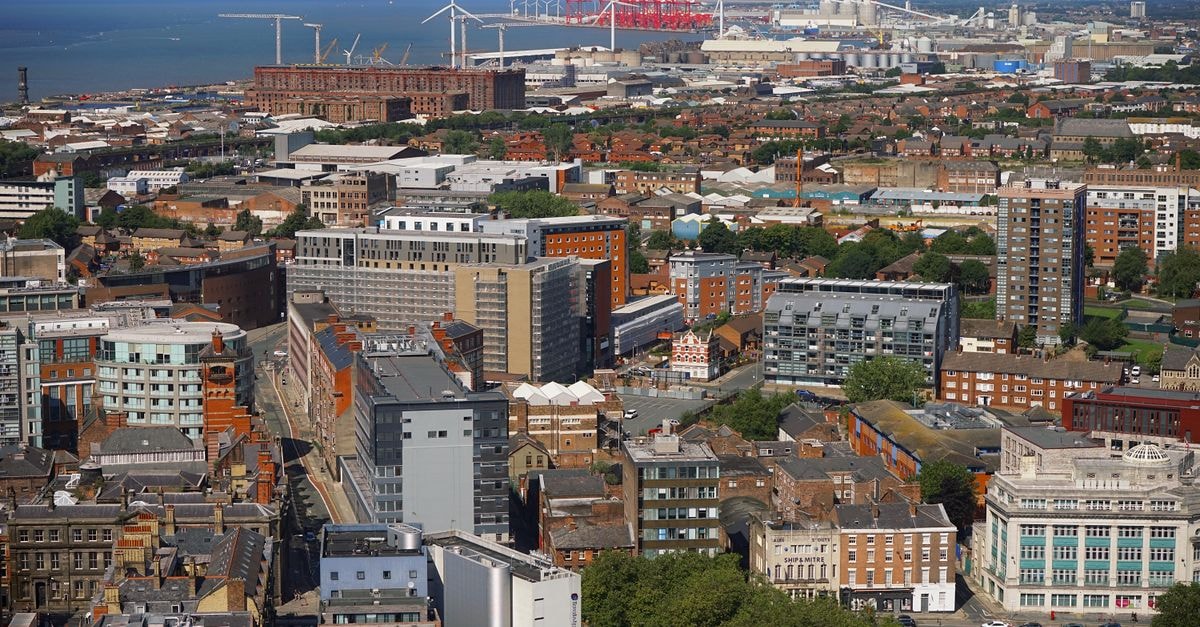
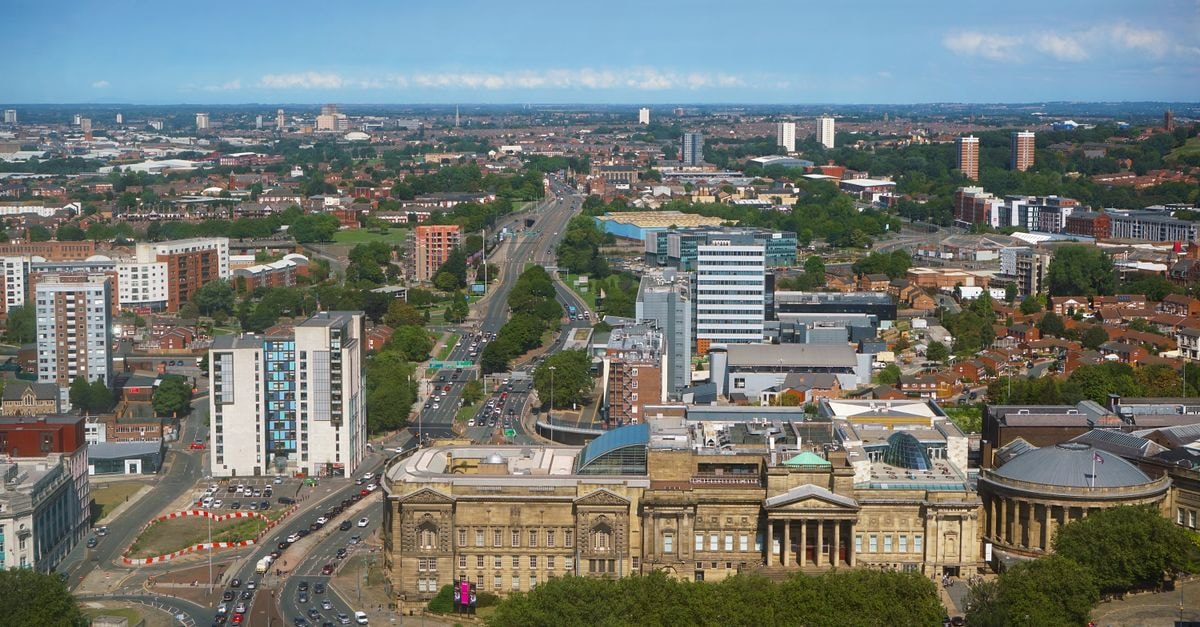
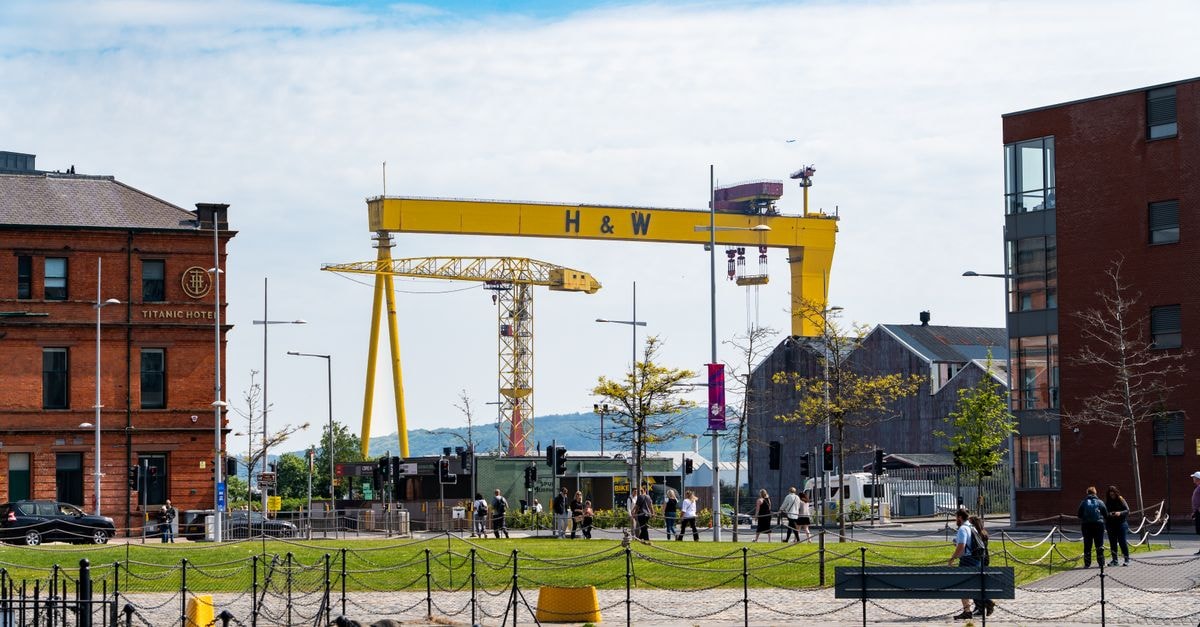
There is a particular kind of energy in Liverpool that settles over you gently, rather than announcing itself loudly. Set along a wide, tidal river and ringed by green space, the city blends a working maritime identity with a creative streak that has shaped British music, writing, and visual culture for generations. Planning a trip here often starts with a simple question: how do I get under the skin of the place without rushing past it? (F1-1)
The Liverpool City Region is described locally as a place where world-class culture sits alongside an iconic waterfront, generous green spaces, and a surprising stretch of coastline, with experiences that feel rewarding across the calendar. That sense of variety, rather than a single headline sight, is part of what makes the city a satisfying place to wander at your own pace. (F8-1)
This guide focuses on the practical side of that wandering: what the seasons tend to feel like, how the transport network holds together for an independent visitor, and how to think about planning your days once you arrive.
Weather and seasonal context
Liverpool sits on the west coast of the United Kingdom, where the weather has a reputation for shifting quickly and often. For travellers used to planning around blue-sky guarantees, the city's climate can feel softer and more changeable than expected, with rain a possibility in any season rather than a defining feature of one. The rhythm of a visit here tends to follow the light and the breeze off the Mersey rather than a fixed temperature. (F3-1, F3-2)
A useful way to think about pacing is to plan indoor anchors — museums, galleries, historic interiors — and leave outdoor stretches, especially along the waterfront and the city's parks, for the clearer windows. Because conditions can shift hour to hour, layering a light waterproof over a base layer is a sensible everyday approach, and the city's covered shopping arcades and station concourses give you a natural place to pause when the weather turns. The same flexibility that helps locals also helps visitors: a day that begins grey often brightens by the afternoon, and a sunny morning can easily give way to a dramatic, cloud-streaked sky over the river.
For a city-break traveller, this means you do not need to obsess over a forecast window. A relaxed itinerary with one or two indoor highlights and an unhurried waterfront walk in between will usually feel right whatever the sky is doing.
Getting around
Liverpool is a compact, walkable core wrapped in a wider public transport network that is genuinely useful for visitors. Within the centre, most of the key cultural and waterfront areas can be reached on foot, which is often the most enjoyable way to take in the mix of Georgian terraces, dock architecture, and modern cultural buildings that define the city. When your feet have had enough, the region offers two well-developed public transport options that work together rather than overlapping.
Merseyrail is the local rail network, and for a visitor it doubles as a fast cross-city link as well as a way to reach the surrounding region. The network runs on the Wirral Line and the Northern Line, connecting the city centre to Chester, Wirral, Southport, and Liverpool Airport, which makes it useful both for orientation on arrival and for any half-day escapes you might plan into the wider region. Trains are frequent and stations are generally close to the main visitor areas, so the rail map is worth glancing at before you arrive. (F6-1)
For shorter hops and for areas not directly on a rail line, the bus network fills in the gaps. The region is served by Arriva and Stagecoach, and an adult single bus journey is priced at £2, which keeps short trips simple to budget for without needing a travel card for a brief stay. (F6-2)
Behind the day-to-day operation sits Merseytravel, which acts as the strategic transport advisor to the Liverpool City Region Combined Authority and is responsible for transport delivery across the area. For visitors, that institutional layer matters less than the practical result: the network is integrated enough that you can move between rail and bus without feeling as though you are switching between two unrelated systems. (F7-1)
A simple rhythm that works well for most travellers is to use Merseyrail for the longer, faster movements — airport in, a regional afternoon, or a quick hop across the Mersey — and to keep a handful of £2 bus singles or short walks in reserve for everything else. Walking remains the most rewarding way to actually feel the layout of the centre, especially along the waterfront where the views change constantly as you move.
Attractions and planning
Liverpool rewards travellers who arrive with a loose plan rather than a rigid checklist. The region's own framing of the destination leans into that idea, describing the Liverpool City Region as a place where world-class culture, iconic music heritage, vibrant waterfronts, green spaces and a stunning coastline come together, with experiences available throughout the year. That breadth is the point: there is no single must-do sight, but there is a generous spread of things to see, hear, and walk through. (F8-1)
For practical planning, it helps to think in clusters rather than ticking off individual venues. A cultural cluster might group together the city's major museums, galleries, and performance venues, many of which sit within a short walk of each other. A waterfront cluster traces the docks, the riverfront walkways, and the architectural landmarks that line them. A green-space cluster takes in the parks and gardens that break up the urban fabric, while a coastal thread picks up as you move further out toward the coastline the region is known for. Thinking in clusters lets you build a day around a feeling — a slow cultural morning, an active waterfront afternoon — rather than chasing geography. (F8-1)
A relaxed first day might centre on one cluster and end with an evening along the lit waterfront, while a second day can pair a different cluster with a short rail journey on the Merseyrail network to see how the city opens up beyond the centre. Because the network links the airport, the city centre, and the wider region, it is straightforward to arrive, orient, and start exploring without needing a car. (F6-1)
The single most useful thing to bring to Liverpool, beyond the obvious layers and comfortable shoes, is curiosity about how a working port city reinvented itself as a cultural capital. That story shows up in the architecture, the music venues, the galleries, and the everyday rhythm of the waterfront, and it gives every walk a little more texture.
A note on planning
Factual conditions for any city — transport timetables, prices, opening hours, and service availability — can change over time, and this guide is built around durable, evergreen framing rather than live data. Before you travel, it is worth checking official channels for current transport information, any ticketing updates, and the latest practical details for the specific places you plan to visit. Treat this guide as a calm starting point rather than a final word, and let the city surprise you once you are actually walking its streets.
Share this article
TOOLS FOR THIS PLAN
Make the Liverpool plan measurable
Choose a tool only when it answers the next question in your trip. Your values stay in the browser, and each tool offers a route back to this planning context.