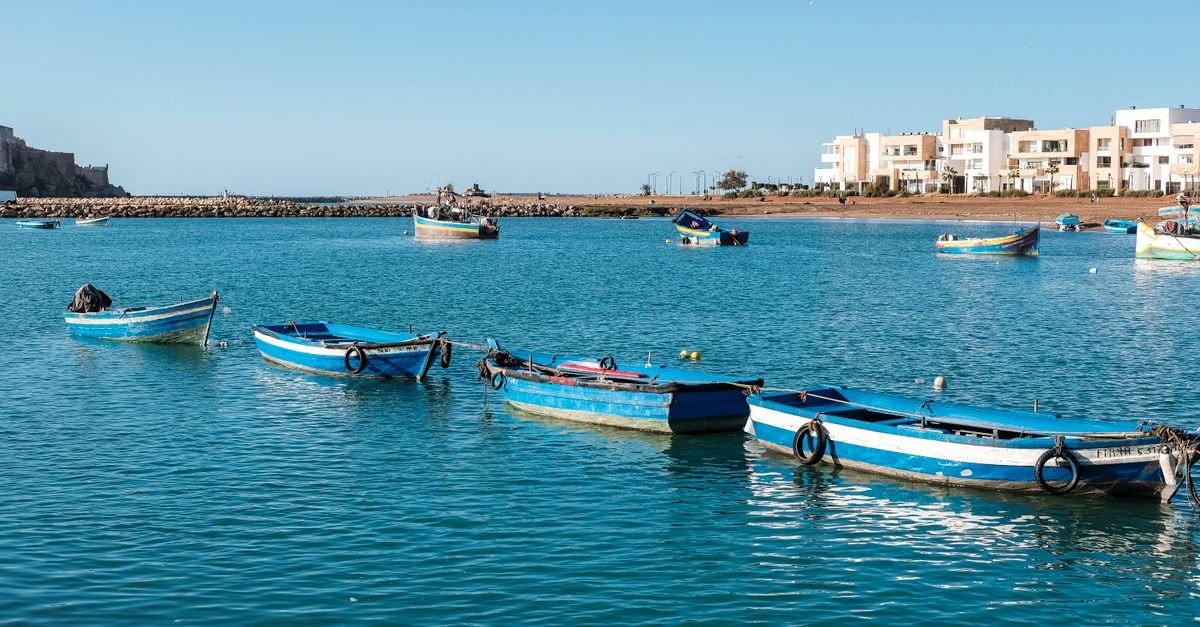
A first impression that arrives softly

Lomé is Togo's coastal capital, a city that prefers to be discovered rather than announced. There are no neon food districts or carefully curated walking tours waiting to greet you; instead, the experience tends to unfold through small encounters, slow strolls, and the kind of rhythm that rewards travellers who arrive with a little patience and curiosity. For first-time visitors, that gentle pace is part of the appeal. The city rewards travellers who treat the first afternoon as orientation rather than a checklist, who let the ocean breeze off the Gulf of Guinea set the tempo, and who save their energy for the conversations that happen over a long meal.
This guide is built for independent travellers who want a grounded, practical introduction to Lomé without the noise of over-promised itineraries. The focus is on three things the evidence supports well: how to move between the airport and the city, how to approach Lomé's collection of attractions, and how to make the most of its food culture, which is varied, regional, and quietly confident.
Getting around: airport transfers on a budget
Lomé-Tokoin Airport (LFW) sits relatively close to the city, which makes the transfer straightforward, and public transport is often the most affordable way to cover the distance for travellers watching their budget. Airport bus services operate regular routes between the airport and key locations in Lomé, giving visitors a dependable option that does not require pre-arranging a private car or haggling at the terminal.
For many independent travellers, this is the most natural starting point. The bus network keeps things simple: you arrive, you board a service running to central parts of the city, and you let the route do the work. If you are travelling light and want to begin your trip inside the everyday rhythm of Lomé rather than inside a private vehicle, the airport bus is a practical first chapter.
A few small habits make this work better. Have small local currency ready for the fare, since that is the most common payment on public buses. Keep your daypack in front of you, the way you would on any urban bus system in a busy capital. And give yourself a little extra time on arrival day, because traffic in Lomé can feel unhurried rather than rushed, and that pace is part of the city's character.
Attractions and planning: a small list, explored slowly
Lomé is not a city that overwhelms you with options, and that is actually one of its strengths. The available guidance for visitors points to around twelve must-see attractions and experiences across the city, a manageable number for a short stay and a reasonable one for a longer visit. Rather than trying to compress those into a single packed day, the better approach is to choose a handful that genuinely interest you and let each one breathe.
There are excursions on offer that reach beyond the city centre, including historically themed routes such as a tour that includes Togoville, a visit to a former slave house, and a canoe journey. The example comes from a tour listing that includes traveller reviews and a starting price around $171, which gives a sense of how half-day or full-day guided experiences with historical depth tend to be priced. For visitors interested in Togo's coastal heritage and the stories woven into the lagoon region, this kind of structured outing can be a meaningful complement to time spent inside Lomé itself.
A practical rhythm for planning is to think in two layers. The first layer is the city itself: pick three or four places inside Lomé you want to see, spread them across the days of your stay, and leave generous gaps for walking, for sitting by the water, and for letting the day curve naturally. The second layer is the wider region: if a guided historical tour interests you, book it for a day when you are not also trying to fit in other activities. Mixing those two layers tends to produce a trip that feels considered rather than rushed.
It is also worth keeping expectations realistic. The available source material points to attractions and reviews rather than to precise opening hours or reservation systems, so treat any specific timing, ticketing, or availability detail as something to confirm closer to your visit rather than as a fixed fact. The shape of the list is reliable; the fine print is worth a fresh check.
Food and local context: dining as a way of listening
Lomé's food culture is one of the most enjoyable ways to understand the city, and the description often given to it is honest and worth taking seriously: Lomé does not announce itself with neon signs or curated food districts. What sets Lomé apart is not any single dish, but the rhythm of how people eat, where they gather, and how regional Togolese cooking sits alongside influences from elsewhere.
In practical terms, that rhythm means a few things for visitors. The first is that Togolese cuisine in Lomé draws from across the country's regions, so the menu at any given local spot tends to reflect a wider national kitchen rather than one narrow tradition. That makes eating your way through the city a small education in Togolese geography, with each restaurant offering a slightly different emphasis depending on the cook's background and the neighbourhood's character.
The second is that mid-range restaurants are well represented, with numerous options around Lomé, particularly in central and coastal areas. For travellers who want a sit-down meal with a bit of atmosphere and a reasonable bill, this is the layer of the dining scene to focus on. It is also where the international options mentioned in city guides tend to live, giving you a choice between exploring Togolese cooking in depth and taking a familiar comfort break when you need one.
The third is more about how you eat than where. Because the city's food culture is described as rhythmic rather than declarative, the best approach is unhurried. Choose a spot, sit down properly, order something you have not tried before, and let the meal take the time it takes. That is the kind of decision that turns a list of restaurants into a real sense of place.
It is worth flagging what the available evidence does not support. There is no reliable list of named establishments, specific signature dishes tied to individual kitchens, or fixed opening hours in the approved sources. Treat any recommendation of that kind as something to verify on the ground, and lean instead on the structural picture: Togolese regional cooking is widely available, mid-range dining is well distributed across central and coastal areas, and the international scene continues to grow.
Putting it together
A practical Lomé trip, built only from what the evidence supports, comes together in three pieces. Use the airport bus for an affordable, low-friction transfer into the city. Treat the attractions list as a small, slow collection rather than a race, and consider a guided historical excursion if regional heritage interests you. And let the food scene lead you by rhythm, choosing mid-range restaurants in central and coastal areas and giving yourself permission to linger.
None of this requires a strict daily budget figure, and the available sources do not combine cleanly into a single defensible per-day range, so it is more useful to think in terms of choice: the airport bus over a private transfer, mid-range restaurants over premium ones for most meals, and one guided excursion as the splurge rather than the foundation. That is a realistic structure for an independent traveller who wants substance over spectacle.
A note on verification
Travel conditions in Lomé, like anywhere, can shift over time. Public transport schedules, attraction access, restaurant opening patterns, and tour availability are worth confirming through official or current sources close to your departure date. This guide is built to be durable rather than immediate, so treat it as a starting frame and check the live details before you commit to any specific plan.
Prices, opening hours, schedules, reservation rules, and local conditions can change; verify them through official channels before departure.
Share this article
TOOLS FOR THIS PLAN
Make the Lomé plan measurable
Choose a tool only when it answers the next question in your trip. Your values stay in the browser, and each tool offers a route back to this planning context.