A Compact City with Three Distinct Areas
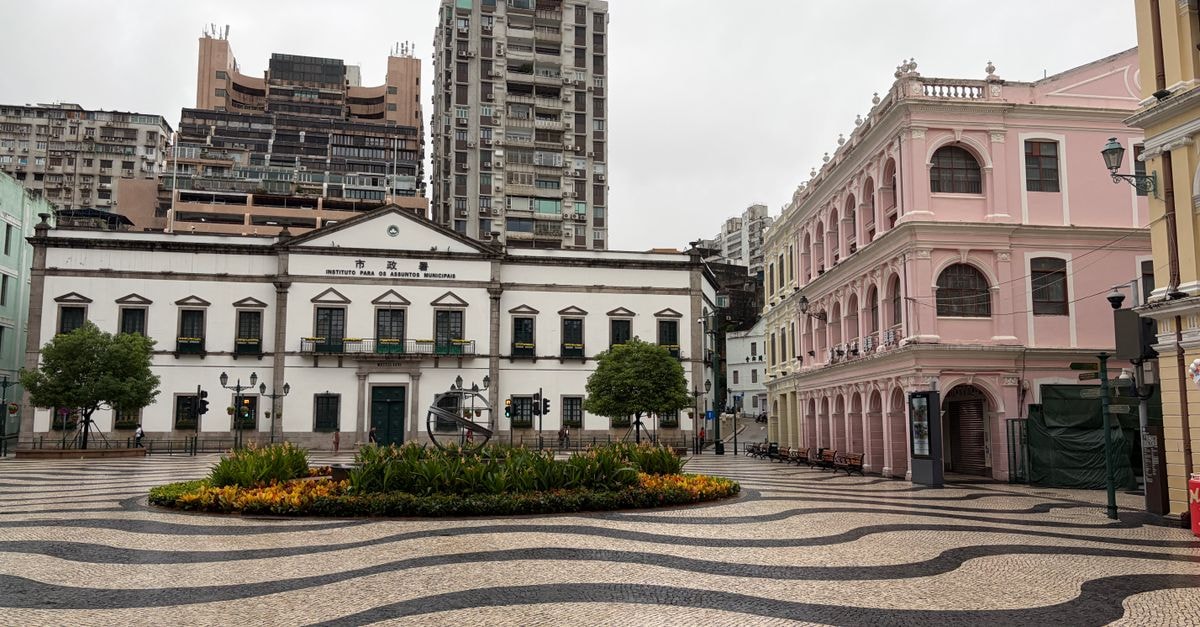
Macao spreads across the Macao Peninsula, Taipa, and Coloane, making local transport especially useful for travelers who want to move between the city’s different areas. A frequent bus service connects all three, while Light Rapid Transit, taxis, car hire, and pedicabs offer additional ways around. The official currency is the pataca, divided into 100 avos.
If you prefer a straightforward way to orient yourself, the transport network may suit travelers who want to avoid planning every journey around car hire or taxis. For a more leisurely visit, Coloane provides a clear place to begin exploring Seac Pai Van Park and its animal-focused pavilions.
Understanding the Currency Before You Go
Macao uses the pataca, abbreviated MOP, as its official currency. It is divided into 100 avos, a useful detail to keep in mind when reading prices or making small payments.
For travelers who want to manage everyday spending, checking the current exchange rate before converting money can help put prices into perspective. The MOP is the currency used locally, but exchange rates can change, so treat any converted figure as a reference rather than a fixed value. Checking official travel information before departure is sensible for currency and other practical arrangements.
Getting Around Macao
Buses are the backbone of local movement: a frequent service runs between the Macao Peninsula, Taipa, and Coloane. Routes also serve different locations within those areas, including Macau International Airport. This makes the bus network especially relevant for travelers arriving by air and wanting to reach different parts of Macao without first relying on a car.
Light Rapid Transit is another useful option, with an LRT station situated beside Macau International Airport. Taxis, car hire, and pedicabs are also available as local transportation choices.
If you prefer more control over your route, consider matching the mode to the journey rather than assuming one option will suit every trip. Buses may suit cross-city travel between the Peninsula, Taipa, and Coloane; taxis may suit travelers who would rather have a direct, flexible journey; and LRT may be useful where its station locations align with your plans. The available evidence does not establish fares, operating hours, station-by-station timetables, or journey durations, so check current details before relying on a specific service.
A Coloane Stop for Animal and Nature Interests
Seac Pai Van Park in Coloane is home to the Macao Giant Panda Pavilion and the Pavilion of Rare Animals. The giant panda pavilion is built into a hillside in a fan-shaped layout, taking advantage of the surrounding terrain. The setting gives this attraction a different character from a conventional standalone animal enclosure.
This stop may suit travelers with a particular interest in wildlife, conservation, or the relationship between a built attraction and its landscaped surroundings. If you are planning around Coloane, the park’s location gives you a focused reason to combine the pavilions with a bus journey to Coloane, rather than treating the area as an abstract map pin.
Details such as opening times, ticketing, animal-viewing conditions, and accessibility are not included in the available travel information, so confirm them through official channels before visiting.
Local Food Worth Taking Time to Understand
Macao’s local food has several distinct identities, and the city’s gastronomy resources place Macanese cuisine within a broader picture of Macao cuisine. Rather than chase a list of famous venues, consider paying closer attention to the dishes themselves and how they are described.
For travelers curious about local specialties, these details offer a useful starting point for reading menus and asking what a dish consists of. Food preferences are highly individual, however, and the available evidence does not identify particular restaurants, menu prices, vegetarian options, allergens, opening hours, or signature dishes by name. If those details matter to your trip, verify them directly with the restaurant before ordering.
Choosing What Fits Your Macao Visit
The clearest choice in this guide is between broad cross-city movement and a more focused outing. If you want to see several parts of Macao independently, the frequent bus service between the Peninsula, Taipa, and Coloane may be the most useful starting point. Taxis can add flexibility, while the LRT is worth considering when its station locations suit your route.
Travelers with a specific interest in wildlife and landscaped terrain may prefer building a Coloane visit around Seac Pai Van Park. Food-led travelers can use the descriptions of local noodles and the city’s Macanese culinary context to investigate dishes without relying on unsupported restaurant recommendations.
What should be checked before departure: current bus and LRT information, airport connections, currency exchange rates, attraction access, and any opening or ticketing details. Factual travel conditions can change, so consult official Macao tourism and transport channels shortly before departure.
Share this article
TOOLS FOR THIS PLAN
Make the Macao plan measurable
Choose a tool only when it answers the next question in your trip. Your values stay in the browser, and each tool offers a route back to this planning context.