The Mood of Madurai Before You Go

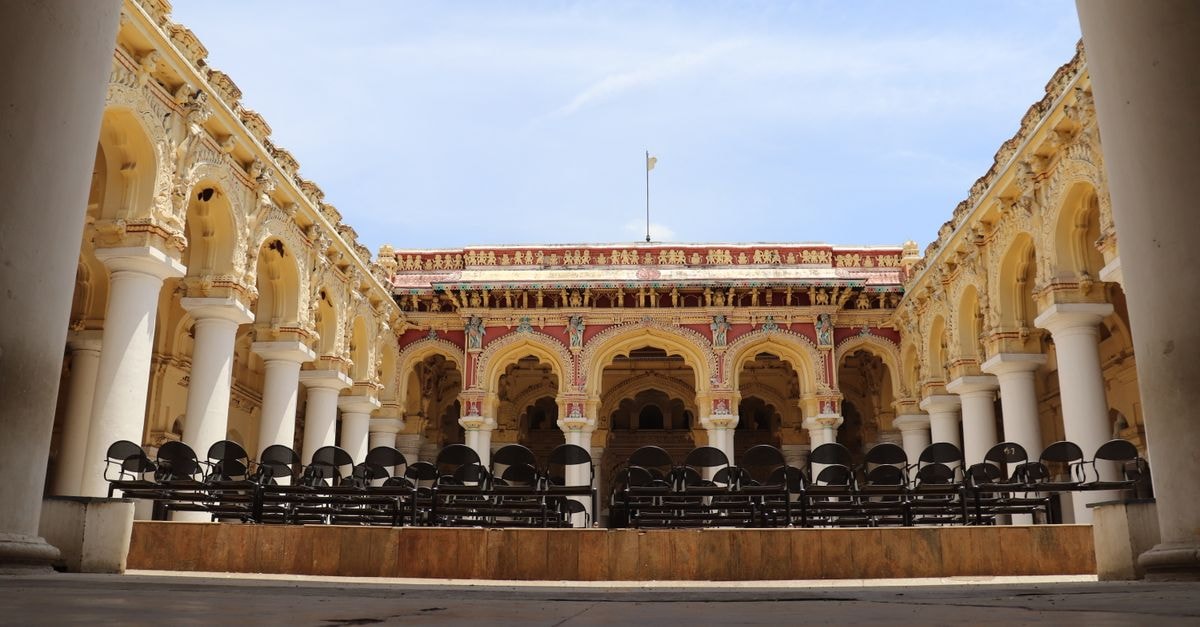
Madurai is one of those Indian cities that announces its own arrival. Before you have even found your bearings, the air seems to thicken with temple bells, the murmur of pilgrims, and the slow weave of small commerce that has likely run along these streets for centuries. The official tourism description calls it "an ancient city that takes you back in time," and that phrase lingers because the city does feel layered rather than staged. You are not stepping into a heritage park; you are walking through a place that still lives its history in real time.
A common local nickname, "Thoonga Nagaram," captures the energy that travelers tend to notice within a few hours of arriving: the city that never sleeps. Even late, the lanes around the great temple stay bright and animated, with flower sellers, tea stalls, and quiet devotional music from nearby shrines. That sense of perpetual motion is part of the texture here, and it shapes how you move through Madurai more than any checklist could.
This guide is for travelers who arrive curious and prefer to let the city set the pace. The aim is practical and grounded: a clearer sense of the weather and season you are walking into, and a realistic picture of how Madurai is experienced on foot, by auto, and through its most iconic landmark.
Weather and Seasonal Context
Madurai sits in a region where the climate leans warm for much of the year, with a monsoon period that can bring heavy rain, and humidity is often noticeable. Travelers used to north Indian weather should recalibrate their expectations: the heat here feels different, and so does the way a day unfolds around it. Humidity can be noticeable, and the city often feels more comfortable in the early morning and the hours after sundown than at midday.
The same official tourism description presents Madurai poetically as a city where "you will stand wondering about the evolution of culture, traditions and civilization." That framing is a reminder that the climate is part of the cultural texture: temple rituals and street routines are shaped by heat and rain in ways visitors begin to notice after a day or two. Locals tend to slow down during the hottest hours, and following that rhythm can make the experience more pleasant.
A few evergreen practices help. Carry water and a light layer for air-conditioned spaces. Plan outdoor wandering for early mornings and late afternoons when light is softer and movement easier. If rain does arrive, it often comes in heavy, dramatic bursts rather than steady drizzle, so a compact umbrella or rain jacket earns its space in a daypack. These are not month-specific tricks; they are simply how Madurai is usually experienced by people who know the city.
Because no direct weather data for any particular month is being relied on here, it is worth checking a current forecast closer to your travel dates. Treat seasonal summaries as general orientation and live forecasts as the final word on what to wear and pack.
Getting Around
Madurai is compact enough that movement is intuitive, once you accept that there is no single "right" way to do it. The city's transport story is really the story of how visitors blend walking, auto-rickshaws, and the gravitational pull of one enormous landmark: the Meenakshi-Sundareswarar Temple, described by India's official Incredible India narrative as "the heartbeat of the city," visited daily by thousands of devotees.
Walking is often the most rewarding way to approach the temple, because the lanes leading in are themselves part of the experience. Pilgrims, flower sellers, silk merchants, and small devotional stalls line the approach, and you get a feel for the rhythm of Madurai that no vehicle window can offer. Sensible shoes matter more than speed here, because the temple complex is large, the stonework is intricate, and there is a lot of ground to cover on foot once you are inside.
Auto-rickshaws fill the gaps. They are useful for moving between neighborhoods, returning from the temple in the evening, or covering longer stretches like the railway station, bus terminals, or hotels on the city's edges. Negotiating or confirming the fare before the ride begins is the usual local practice. For travelers staying near the temple area, many of the most interesting things to see are within walking distance, which keeps the daily transport cost modest.
Madurai also has a deeper layer worth knowing about. The Incredible India source notes that the city "once traded with ancient Rome," and that it "preserves its distinct character in various arts and textiles that have been bestowed by the Pandian kings." That history still shows up in the urban fabric: in the textile shops that line certain streets, in the silhouettes of older temple towers glimpsed between buildings, and in the everyday craft of the city's artisans. Travelers who like to read a city through its trade routes and royal patronage will find those layers surprisingly visible while moving around.
If you prefer more guidance, locally run temple and heritage walks are a popular way to get oriented. They are best arranged once you arrive, through your hotel or a recognized local operator, so that timings and access reflect current conditions. The wider transport network, including rail and road links to nearby cities in the surrounding state, is straightforward from Madurai, though this guide deliberately focuses on how the city is experienced once you are already in it.
How the Temple Shapes the Day
Because the Meenakshi-Sundareswarar Temple is described as the heartbeat of Madurai, it inevitably shapes how a day feels. The temple complex is vast, with multiple enclosed courtyards, shrines, and towering gopurams (gateway towers) covered in dense, brightly painted sculpture. Visitors are usually asked to remove footwear before entering, and modest dress is expected out of respect for its religious function.
Allow more time inside than you initially plan. The complex rewards slow movement: pausing at a shrine, watching a ritual in progress, sitting for a while on a cool stone step. It is also common to circle back more than once across a day, since the temple feels different in morning light, in the heat of afternoon, and again when it is illuminated at night.
Surrounding the temple, the city organizes itself in concentric layers of devotion and commerce. Flower markets bloom near the gates in the early morning, small restaurants and tea stalls serve pilgrims throughout the day, and textile shops reflect the Pandian legacy of fine weaving. Even travelers who do not consider themselves shoppers often end up browsing, because the lanes are simply part of the temple experience.
Slowing Down to the City's Pace
Madurai rewards travelers who resist the urge to rush. Because it is popularly described as the city that never sleeps, there is a temptation to match that energy every hour. In practice, the most enjoyable days often alternate between active exploration and long, still pauses: a slow coffee, a bench in a quieter courtyard, or a return to a favorite lane at a different time of day.
This kind of pacing also respects the devotional life of the city. Madurai is not a heritage backdrop; it is a working religious center, and visitors who treat it that way tend to have warmer interactions and smoother access to smaller shrines and rituals that are not on the main route.
Practical Considerations for Travelers
A few evergreen notes help round out the picture. Madurai is generally approachable for independent travelers, with enough English spoken around tourist areas to handle logistics. Carry small denominations for autos and small purchases. Respect temple protocols on dress and photography, which can vary by shrine. Stay hydrated and pace outdoor time around the warmest hours.
For travelers interested in textiles, Madurai silk is one of the city's most recognized crafts, with shops concentrated in and around the temple area. Buying is best approached as a slow browse rather than a single transaction, and quality varies, so a little patience pays off.
A Final Note on Conditions
Travel conditions, including weather, transport availability, and temple access rules, can change. Treat the framing in this guide as a durable introduction to Madurai rather than a live status update, and confirm specific details through official channels or your accommodation before relying on them. With that simple check, Madurai tends to give visitors exactly what its tourism narrative promises: a city that feels ancient, layered, and very much awake.
Share this article
TOOLS FOR THIS PLAN
Make the Madurai plan measurable
Choose a tool only when it answers the next question in your trip. Your values stay in the browser, and each tool offers a route back to this planning context.