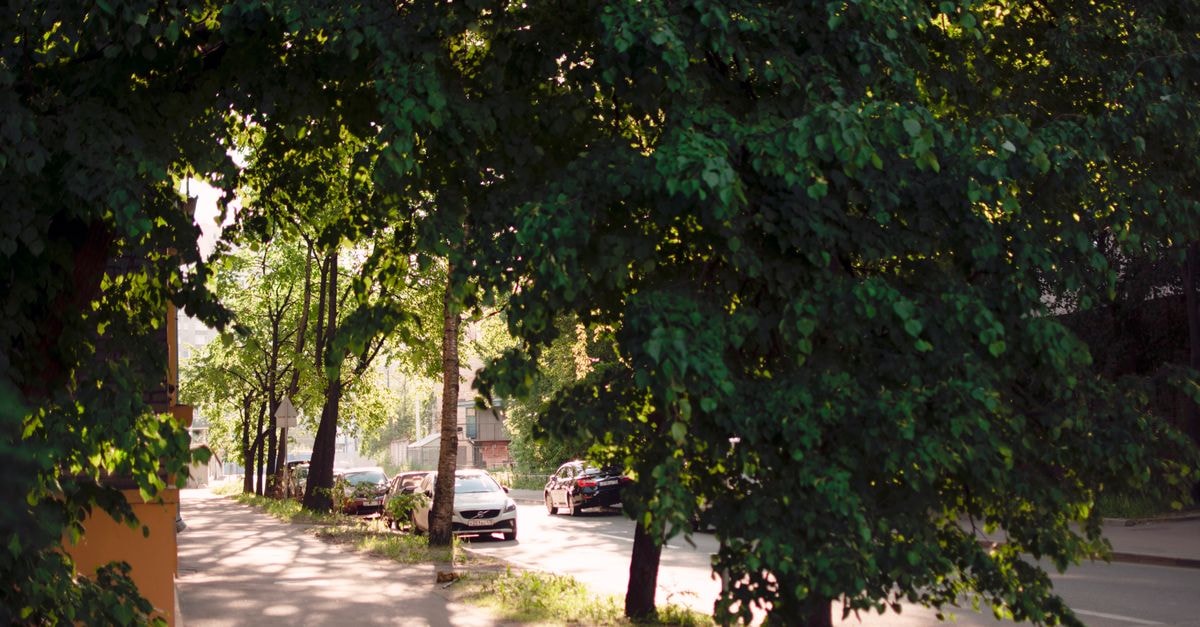
There's a particular pleasure in arriving at a German capital that doesn't announce itself with a rush. Magdeburg, the capital of Saxony-Anhalt, sits along the Elbe with the calm confidence of a place that has been a regional center for centuries. With a population of around 230,000, it has the rhythm of a mid-sized city: walkable old streets, an unmistakable cathedral silhouette, and the easy promise of tradition meeting the present day. The experience of visiting Magdeburg is shaped by that duality, where medieval bones support a contemporary, lived-in city rather than a museum piece.

Weather and seasonal context
Magdeburg sits in a temperate part of Germany, and the weather has a way of gently shaping the day rather than dictating it. Packing a light layer and a reliable rain jacket is the kind of small preparation that tends to pay off in this region. Because this guide is written for year-round use, rather than tied to a single month, the most useful approach is to think in terms of pace: on cooler, overcast days, the cathedral, museums, and covered old town passages reward slow wandering, while brighter stretches invite longer walks along the Elbe and broader exploration on foot. If you prefer to keep outdoor time flexible, building the day around a single anchor sight and leaving room for detours works well here.
Getting around and staying
Magdeburg has the comfortable logistics of a regional capital. The city is well connected by long-distance rail, and reaching it by ICE train is a straightforward option for travelers coming from elsewhere in Germany; booking options such as a Super Sparpreis fare are designed to make the journey notably affordable, which can matter if you're comparing rail against driving.
Once you're in the city, the structure makes life easy. Magdeburg blends tradition and modernity in a way that orients visitors quickly: the historic core, with the cathedral as a natural anchor, is compact enough to cover largely on foot, while public transport fills in the gaps for anything further out. A central base means short walks to most major sights and quick onward connections when you want to range wider.
Accommodation reflects the city's size. There are roughly 460 stays listed for Magdeburg, ranging from familiar international names to smaller independent options. Among the named examples is the Best Western Hotel Geheimer Rat on Goethestraße, which sits in a central, walkable part of the city. Because availability shifts with the season, adjusting the dates on a booking page is the simplest way to see what is open and what fits your budget.
Attractions and planning the day
Magdeburg's appeal is layered, and the city is well set up for travelers exploring with family or with mixed-age groups. Sights, leisure activities, and accommodation designed with the whole family in mind are easy to find, which removes some of the planning friction that can weigh on a city break. That said, the city does not lean on a single marquee attraction. Instead, it rewards visitors who build a day around a few anchors and leave space in between.
A natural starting point is the historic centre, walking outward toward Magdeburg Cathedral, which gives an immediate sense of the city's medieval roots. From there, the Elbe and the surrounding public spaces open up the day. Because Magdeburg reads as a city where the past and present sit side by side, visitors who enjoy that sense of continuity tend to find it one of the more satisfying capitals in this part of Germany.
For travelers who like to keep options open, Magdeburg's compact center means a short walk usually returns you to familiar ground. If you prefer a more structured day, pairing a morning in the old town with an afternoon along the river is a comfortable rhythm, and one that leaves room for a leisurely meal without rushing the cathedral or the riverside views.
Choosing what fits the trip
Magdeburg suits a particular kind of traveler well. If you're the sort who enjoys a capital city without the bustle of the largest German hubs, who appreciates a walkable historic core anchored by a great cathedral, and who likes the practicality of arriving by ICE train and staying centrally, the city will likely click. Travelers focused on family-friendly logistics may find the available sights, leisure activities, and accommodation make planning easier than in bigger, more fragmented destinations. On the other hand, visitors looking primarily for high-energy nightlife, dense museum-hopping days, or a tightly packed sightseeing list may find Magdeburg calmer than expected, and may want to build a longer stay or pair it with another stop to fill the schedule. The city rewards unhurried curiosity more than checklist travel.
A note before you go
Magdeburg is a stable, easy-to-plan destination, but a few small checks make any visit smoother. Confirm train schedules and any Super Sparpreis fare conditions directly with Deutsche Bahn before booking, since availability and pricing change. For accommodation, refresh the dates on your booking page to see the current selection of roughly 460 stays, including options like the Best Western Hotel Geheimer Rat on Goethestraße. As with any city, opening hours, ticket arrangements, and seasonal programs are best verified through official channels shortly before travel. Factual travel conditions can change, and official sources should be checked before departure.
Share this article
TOOLS FOR THIS PLAN
Make the Magdeburg plan measurable
Choose a tool only when it answers the next question in your trip. Your values stay in the browser, and each tool offers a route back to this planning context.