A slow look at Mahdia

Mahdia sits on a narrow peninsula along Tunisia's eastern coast, where whitewashed houses press against the shoreline and a working fishing port meets some of the country's calmer stretches of sand. For travelers who feel most at home in places that reward unhurried exploration, this small coastal town offers an appealing counterpoint to the busier resort hubs further up the coast. Its compact scale and layered identity, shaped by centuries as a Mediterranean port and a former seat of a powerful dynasty, give the town a sense of depth that goes beyond its modest footprint.
The town carries a quietly significant place in regional history. It served as the first capital of the Fatimids, the dynasty that would go on to rule from Cairo and found the city of Cairo itself. Visitors who appreciate places where a sense of history lingers in the streetscape may find Mahdia especially resonant, since this early chapter of the dynasty's story is still legible in the surviving walls, gates, and pathways that shape the old town today.
Weather and seasonal context
Mahdia is one of the older coastal towns along this stretch of Tunisia, and its built heritage reflects long exposure to salt air and sea winds. The medina, which is the historic core of the town, is described as small and walkable, and it tends to feel quite different from the busier day-trip circuits of the larger neighboring resort cities. For travelers who prefer browsing a quieter historic quarter without the usual crowds, the compact scale of the medina may suit the way you like to explore.
Because the town sits on a peninsula, sea breezes tend to be a constant presence rather than an occasional one. The interplay between the working port, the open coastline, and the whitewashed houses pressed against the water means the light changes quickly across the day, and many of the most atmospheric moments happen around the harbor edge where land and water meet. Plan time outdoors for early morning or later in the afternoon if you prefer softer temperatures and gentler sun.
Getting around
Mahdia's appeal is closely tied to its peninsula setting, where the land narrows and the sea appears from multiple angles as you move through town. As a working fishing port, the harbor remains an active part of daily life rather than a purely scenic backdrop, and visitors approaching from the water side will see boats coming and going in rhythm with the day's catch. The same coast is also known for stretches of sand that travelers describe as calm rather than chaotic, which can be a welcome feature for anyone hoping for an unhurried beach interlude.
The combination of a working port and accessible coastline means getting around tends to involve short distances rather than long transfers. Walking is often the most natural way to move between the harbor, the beaches, and the historic core, since the peninsula shape keeps the geography compact. Travelers who enjoy routes that shift between harbor views, sandy stretches, and narrow old-town lanes may find this layout especially agreeable.
Attractions and planning
Mahdia's old town is structured around a historic rampart system, with a principal tower that once anchored the landward defenses and a unique land gate that served as the sole entry point through the medina walls. These surviving elements give the historic quarter a clear sense of boundary and approach, which can make the experience of entering the medina feel more deliberate and atmospheric than in towns where the old walls have entirely disappeared. Visitors interested in fortifications and historic entry points may want to trace the line of the old rampart as a way to orient themselves.
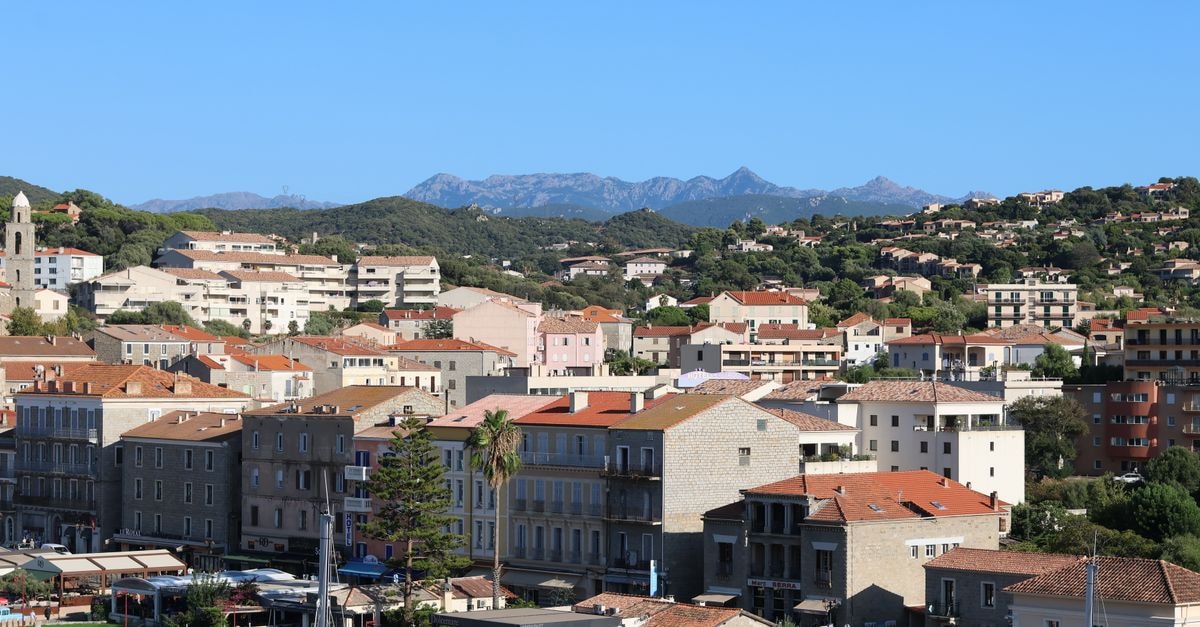
The visual character of the peninsula, with small white houses pressing against the coastline, is one of the town's most recognizable features and tends to shape how visitors experience the seafront. Promotional and tourism descriptions of Mahdia consistently emphasize this contrast between tight, whitewashed lanes and the open water just beyond them, and it is worth planning time to simply sit with that view rather than rushing past it. Because the town's useful visitor information and orientation points tend to be clustered in this same compact zone, you can move easily between a sightseeing stop and a quiet coastal pause without committing to a long walk.
Choosing what fits your trip
Mahdia rewards a particular kind of traveler. If your idea of a good coastal day involves a working harbor, uncrowded sand, and a medina you can cross on foot in a relaxed morning, the town's compact layout will likely feel like a feature rather than a limitation. The Fatimid-era heritage and surviving land gate and tower offer a layer of history that is engaging without requiring a full day of museum-going, which suits travelers who prefer their context delivered through streets and walls rather than exhibit halls.
If you tend to need larger resort infrastructure, a wider range of evening options, or quick access to multiple nearby destinations, the quieter scale of Mahdia may feel more like a starting point than a full itinerary. In that case, the town can still anchor a visit that values the peninsula atmosphere, with the understanding that the broader network of attractions along the Tunisian coast lies beyond what this compact center can offer on its own.
A quick note before you go
Mahdia is a place whose character comes from its small scale, its harbor rhythms, and the visible layers of its history. Conditions on the ground, including opening hours for specific sites and the current state of access to historic structures, can change over time, so it is worth checking with official local sources or your accommodation before planning a tight schedule around any one landmark. Treating your time here as a sequence of short, walkable moments rather than a checklist will usually suit the town better than any fixed plan.
Factual travel conditions can change, and official channels should be checked before departure to confirm current details.
Share this article
TOOLS FOR THIS PLAN
Make the Mahdia plan measurable
Choose a tool only when it answers the next question in your trip. Your values stay in the browser, and each tool offers a route back to this planning context.