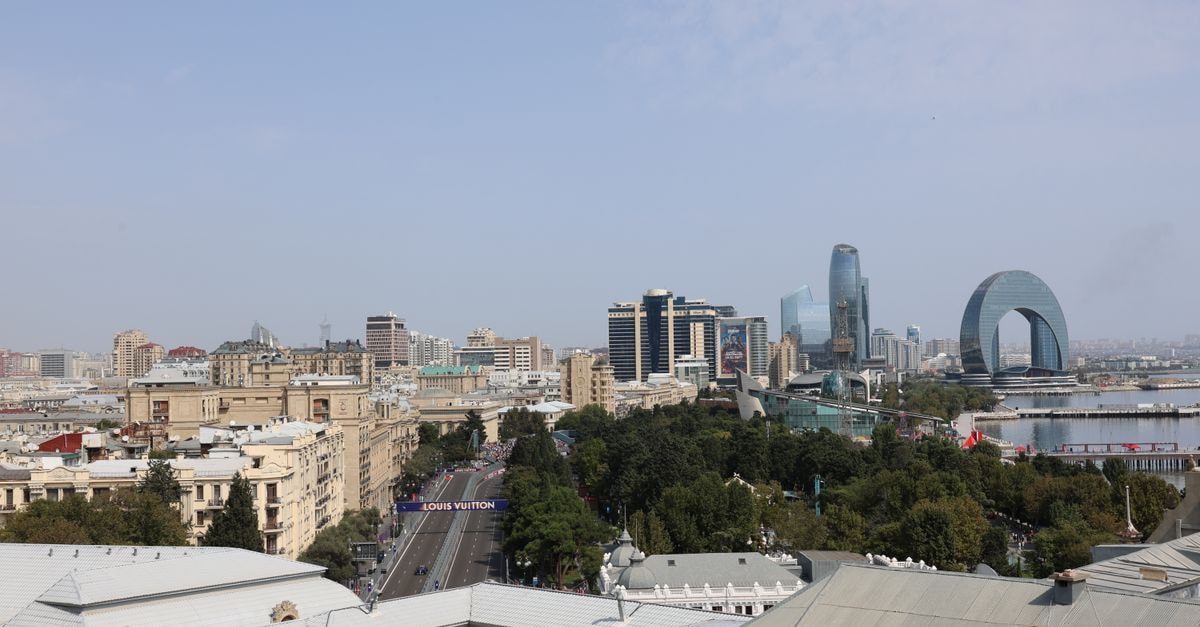
Setting the scene in Makhachkala

There's something quietly appealing about arriving in a capital that most guidebooks treat as a waypoint rather than a destination. Makhachkala sits on the Caspian coast as the capital of the Republic of Dagestan and, by a comfortable margin, the largest and most developed city in the region. That matters for the way a trip begins: even though the city can't really claim the title of Dagestan's main tourist center (that primacy belongs to Derbent), the practical reality is that travelers tend to arrive here first because the airport is here. It functions as a base, a soft landing, and a place to gather your bearings before anything else.
The mood at street level tends to be that of a working port city rather than a polished resort. Sea breeze, broad avenues, the hum of everyday Dagestan life. For a traveler who likes to ease into a region slowly, that can be a feature rather than a flaw.
Weather and seasonal context
Makhachkala has a climate that travelers often feel more than they read about. Summers, generally running from June through August, bring warm and muggy conditions, the kind of heavy Caspian humidity that makes slow walks along the waterfront feel different from a brisk inland hike. Lightweight clothing, water, and a flexible daily rhythm can make those months more comfortable, especially if you plan any midday activities around a cooler early morning or a quieter evening.
Outside the peak of summer, the city takes on a calmer pace. Shoulder periods tend to feel milder and less humid, which can suit travelers who prefer longer days of walking and sightseeing without the heavier air. The practical takeaway is less about picking a perfect week and more about dressing for the season you're in and giving yourself permission to slow down when the temperature climbs.
Getting around
Most travelers begin their Dagestan journey in Makhachkala simply because that's where the flights tend to land. Once you're on the ground, the city itself reads as a fairly approachable urban hub: the airport sits close enough to the city center to make that first transfer feel straightforward, and the layout lends itself to figuring things out as you go.
The most useful mindset is to treat Makhachkala as your orientation point. You'll find the transport links, accommodation options, and services you'd expect from the largest city in the region, and from there you can plan onward movement. It's the kind of place where spending your first half-day simply walking, watching, and getting a feel for distances tends to pay off later, especially if you're heading onward to smaller towns where the rhythm is slower and English is rarer.
If you prefer a smoother arrival, consider arranging at least your first night's stay before you fly. That small step tends to take a lot of the friction out of the first evening in a new region.
Food and the wider Russian table
Makhachkala doesn't announce itself through a single signature dish the way some cities do, but visitors quickly find themselves eating within a broader Russian culinary world. Russia's food culture is famously richer than the old stereotypes suggest. The crackle of pork fat rendering in a cast-iron skillet, the sharp tang of fermented rye bread that lingers on the palate, the slow-cooked sturdiness of dishes meant to carry people through long winters — these are the textures and flavors that frame everyday eating across the country.
A few nationwide staples are worth recognizing when they appear on menus here. Pelmeni, the small meat dumplings often associated with Siberia but loved across Russia, function as a universal comfort food: filling, warming, and just as welcome after a long travel day as they are as part of a regular meal. Black caviar, by contrast, sits at the other end of the spectrum. It's among the most expensive food products on Earth, with a story shaped by ecological pressure and the slower recovery offered by aquaculture. You may not eat it on every trip, but you'll likely see it offered in some form, and understanding its place in the country's culinary conversation helps it land with a little more context.
The honest approach while eating in Makhachkala is to stay curious about what's regional and what's Russian-wide. Local cafes and family-run places will blend both, and asking what's fresh or what's typical of the season is often the best way to discover what the city actually eats rather than what a guidebook expects it to eat.
Finding your own pace here
What Makhachkala offers a traveler really depends on the kind of trip you're trying to build. If your priority is to use the city as a base for exploring wider Dagestan, the practical advantage is hard to overstate: flights land here, services concentrate here, and the largest urban footprint in the republic sits ready to support onward travel. You may prefer to keep your stay short, settle in efficiently, and let the city be your logistics hub rather than your headline destination.
If instead you're drawn to the texture of the city itself — the Caspian setting, the everyday rhythm, the layered feel of a regional capital — there's room to linger. The waterfront, the markets, and the unhurried neighborhoods reward the traveler who slows down rather than ticking boxes.
A small amount of planning helps either way. Travelers who prefer fewer decisions on arrival may want to confirm how they'll get from the airport to their first night's accommodation, and anyone with strong preferences around food (a vegetarian traveler, for example, or someone eager to try caviar at a sit-down setting rather than as a passing curiosity) may want to think ahead about where those experiences are most likely to fit. These are choices, not requirements, and they tend to make the rest of the trip feel lighter.
The city doesn't demand a particular kind of visitor. It simply asks for a little patience and an open appetite — the rest tends to unfold naturally.
---
*Conditions on the ground can change, and opening hours, transport availability, and seasonal details shift over time. Before you travel, check current information through official Russian tourism channels and your accommodation or transport provider so your plans reflect what's actually available when you arrive.*
Prices, opening hours, schedules, reservation rules, and local conditions can change; verify them through official channels before departure.
Share this article
TOOLS FOR THIS PLAN
Make the Makhachkala plan measurable
Choose a tool only when it answers the next question in your trip. Your values stay in the browser, and each tool offers a route back to this planning context.